
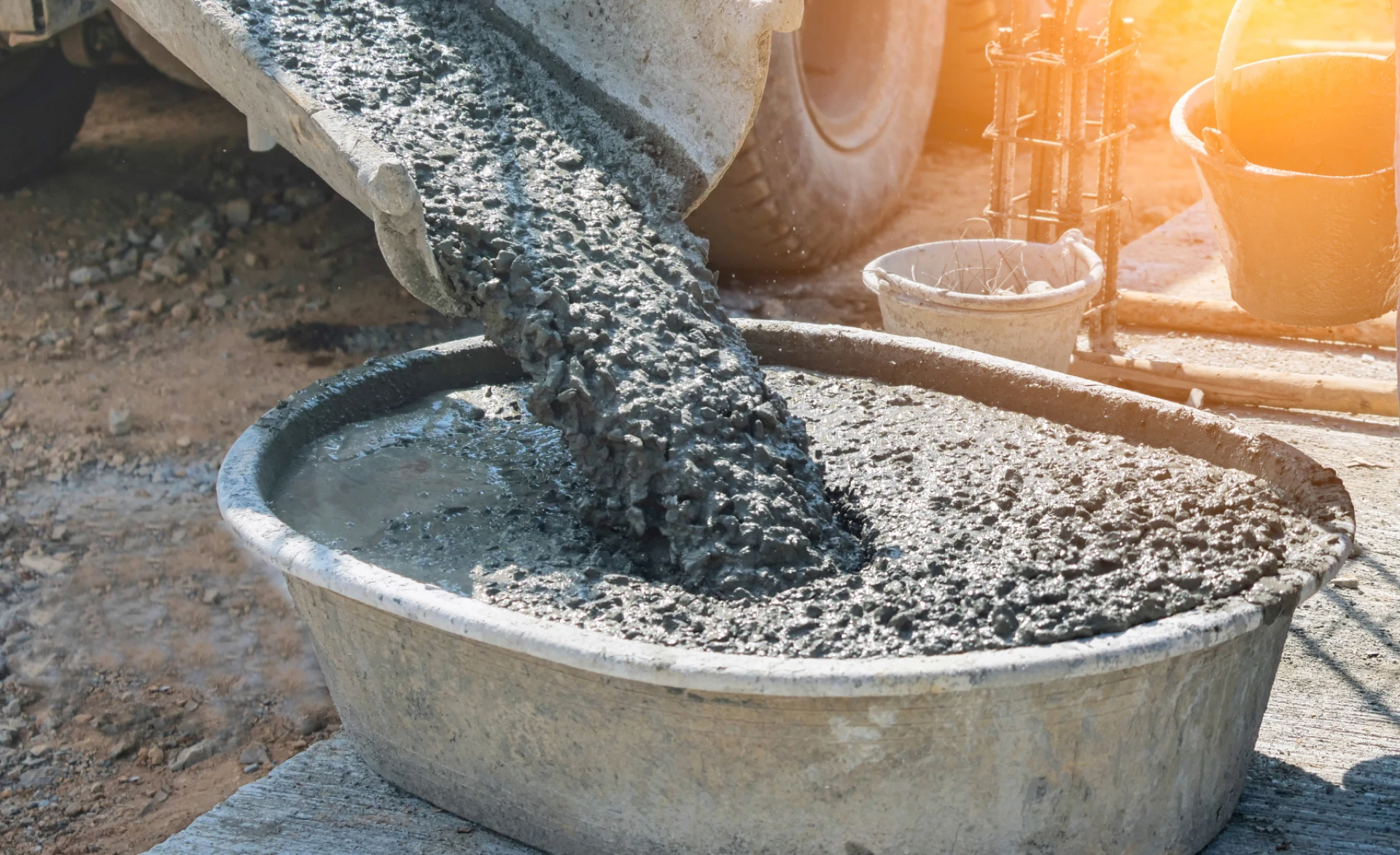
Concrete is the backbone of modern infrastructure, from towering skyscrapers to roadways and bridges. However, while concrete is one of the most widely used materials in construction, its properties can sometimes be improved to meet specific requirements. This is where concrete admixtures come into play. These special additives are added to concrete mixes to modify or enhance its properties, leading to stronger, more durable structures.
Expert Market Research Insight: Admixtures in the Modern Construction Era
According to Expert Market Research, the demand for sustainable and high-performance construction materials has significantly boosted the use of concrete admixtures. As construction projects grow in scale, the need for concrete that offers higher strength, faster setting times, and improved durability has intensified. The report specifically notes a rise in the demand for superplasticizers and accelerators, particularly in harsh climates. Additionally, the trend towards environmentally friendly materials, such as fly ash and silica fume, is gaining momentum, as construction companies aim to reduce carbon footprints. This shift toward sustainable practices has cemented concrete admixtures as crucial in modern construction.
What Are Concrete Admixtures?
Concrete admixtures are materials that are added to the concrete mix in small quantities to modify its properties in both fresh and hardened states. These ingredients are not a part of the main ingredients, such as cement, sand, and water, but they play a crucial role in enhancing the performance of concrete. Concrete admixtures can improve everything from the workability and durability of the mix to the speed at which it sets and hardens.
Admixtures can be classified into several categories based on their functions. Some of the most common types include plasticizers, accelerators, retarders, waterproofing agents, and air-entraining agents. Each of these additives serves a specific purpose, and selecting the right admixture can be the difference between a subpar structure and one that lasts for generations.
The Science Behind Concrete Admixtures
The addition of an admixture to the concrete mix alters the chemical and physical reactions within the mix. For instance, certain admixtures can improve the hydration process, the chemical reaction between water and cement that causes concrete to set and harden. Others can increase the cohesiveness of the mixture, improving its consistency and making it easier to work with.
Some admixtures are designed to control the setting time of concrete. For example, accelerators speed up the curing process, which can be useful in cold weather or when faster setting is required. On the other hand, retarders are used when a slower setting time is needed, such as in hot weather conditions to prevent the concrete from hardening too quickly.
Why Use Concrete Admixtures?
Improved Workability and Durability
Concrete admixtures enhance the workability and durability of concrete, ensuring it meets the specific demands of large-scale projects. For example, superplasticizers improve flowability, enabling easier placement and finishing of concrete in structures like high-rise buildings and bridges. Additionally, admixtures like corrosion inhibitors and waterproofing agents enhance durability, protecting concrete from harsh weather, freeze-thaw cycles, and chemical damage.
Cost-Effectiveness and Sustainability
Admixtures also reduce construction costs and improve sustainability. Using fly ash, a by-product from power plants, decreases cement usage, lowering both environmental impact and costs. Furthermore, reducing water consumption in mixes helps save resources, making concrete production more eco-friendly.
Customization for Specific Needs
Admixtures provide the flexibility to customize concrete properties for each project. Whether it’s rapid-setting concrete for quick construction or concrete capable of withstanding extreme temperatures, admixtures allow for tailored solutions to meet the unique requirements of specialized structures like dams and tunnels.
Regional Insights: North America and Concrete Admixtures
In North America, concrete admixtures have become a cornerstone of construction practices, particularly as urbanization accelerates and infrastructure projects grow in scale and complexity. The United States and Canada have seen a significant rise in the adoption of admixtures such as high-range water reducers and accelerators to meet the demands of large-scale projects, including skyscrapers, bridges, and highways.
As cities continue to expand and demand for faster construction increases, contractors and construction companies in North America are increasingly turning to concrete admixtures to ensure that the concrete mix not only meets the necessary standards but also reduces construction time and costs. The growing focus on sustainability in the region has further driven the need for eco-friendly admixtures, such as those that incorporate industrial by-products or reduce water usage.