Choosing the right driveway material can affect your home's appearance, comfort, maintenance needs, and long-term costs. Concrete and asphalt both offer strong options, but each material works better for different homes and budgets. Before hiring residential concrete services in Troy, homeowners should compare durability, maintenance, climate response, appearance, installation, and overall value.
Concrete vs. Asphalt: A Quick Comparison
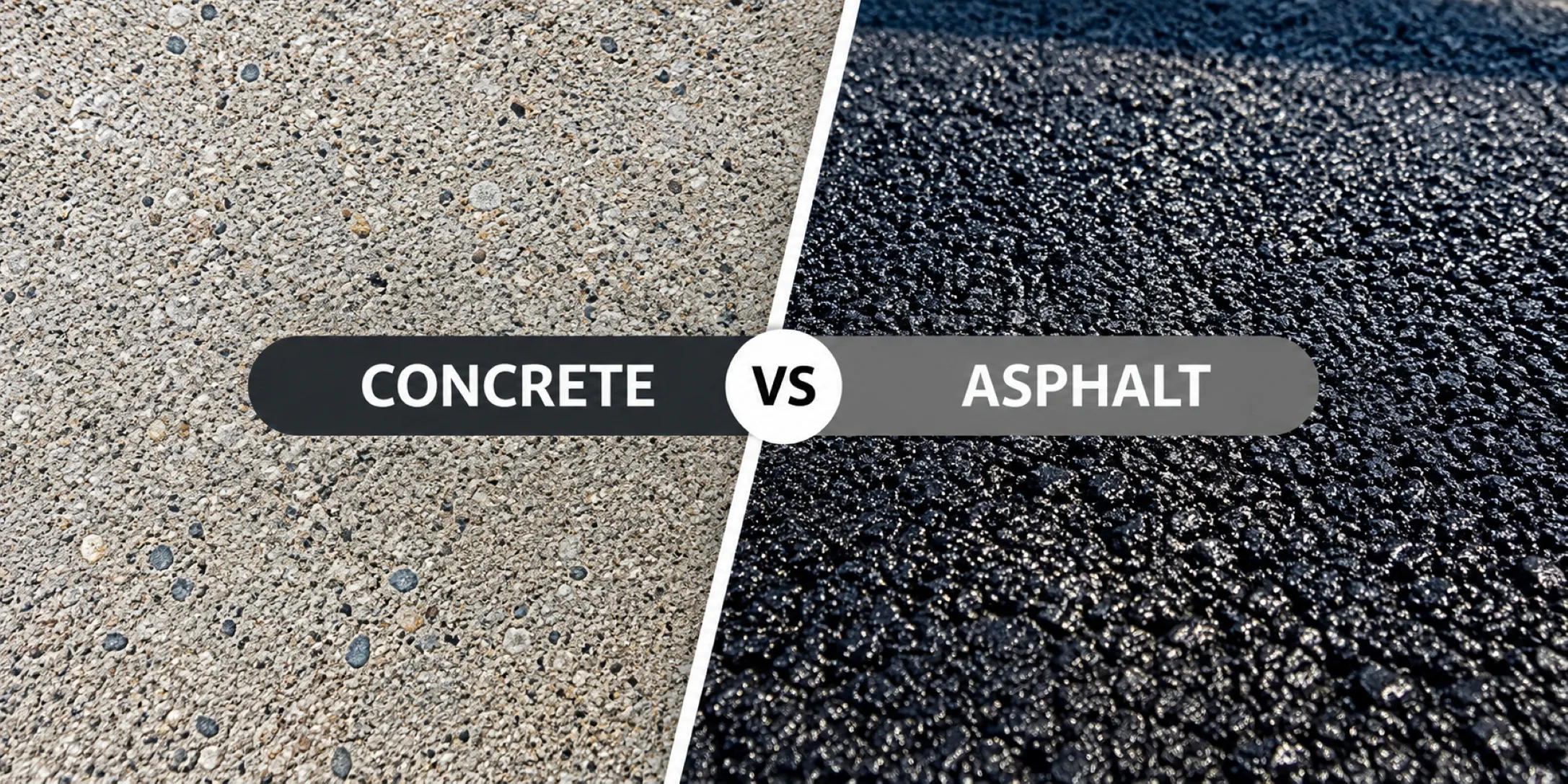
Concrete and asphalt serve the same basic purpose, but they perform in different ways. Concrete uses a cement-based mix that creates a hard, durable surface. Asphalt combines aggregates with a petroleum-based binder to create a flexible surface.
Here is a simple comparison:
- Durability: Concrete can provide a long service life with proper care. Asphalt can also last for many years but usually needs more regular maintenance.
- Appearance: Concrete offers more options for colors, finishes, patterns, and textures. Asphalt gives a clean, dark appearance.
- Maintenance: Concrete usually needs less routine maintenance. Asphalt often benefits from periodic sealing.
- Installation cost: Asphalt often costs less at the start.
- Long-term value: Concrete may offer better long-term value when you want durability and a low-maintenance surface.
- Weather response: Both materials can handle outdoor conditions, but each reacts differently to heat, moisture, and freeze-thaw cycles.
Why Choose a Concrete Driveway?
Concrete can make a driveway look clean, solid, and attractive. It also gives homeowners several design choices. You can select different finishes and patterns to match your home's exterior.
A properly planned concrete driveway can handle regular vehicle traffic and daily use for many years. It also resists the softening that can affect asphalt during very hot weather.
Concrete offers several benefits:
1. Long-Term Durability
Concrete creates a hard surface that can withstand regular traffic. Good site preparation, proper drainage, quality materials, and correct installation all help improve its performance.
2. Low Routine Maintenance
Concrete does not need frequent sealing in the same way asphalt does. Regular cleaning and quick attention to small cracks or surface problems can help keep the driveway in good shape.
3. More Design Choices
Homeowners can choose from several concrete finishes. Stamped patterns, exposed aggregate, decorative borders, and different textures can add visual appeal.
4. Strong Curb Appeal
A well-designed concrete driveway can complement your home's exterior. Since the driveway covers a large part of the front yard, its appearance can influence the overall look of the property.
Why Choose an Asphalt Driveway?
Asphalt remains a popular driveway material because it offers a practical balance between initial cost and performance.
One major advantage involves installation. Asphalt often reaches usable strength faster than a newly poured concrete driveway, depending on the project and weather conditions.
Asphalt also has a flexible nature. This quality can help it respond to certain ground movements without cracking as easily as a rigid surface.
However, asphalt requires regular care. Sealing can help protect the surface from moisture, oxidation, and everyday wear. Without proper maintenance, cracks and potholes can grow over time.
Which Material Costs More?
The initial price can vary based on driveway size, site conditions, material quality, labor, drainage needs, and local rates. In many projects, asphalt costs less upfront than concrete.
However, homeowners should not look at the starting price alone.
Think about the total cost over the driveway's useful life. A material that costs less today may require more maintenance and repairs later. Concrete may cost more initially but can provide strong durability with proper installation and care.
Before making a decision, ask your contractor for a detailed estimate that covers:
- Site preparation
- Removal of the existing driveway
- Base preparation
- Drainage work
- Material and labor
- Edging or borders
- Finishing options
- Sealing or maintenance needs
How Does Weather Affect Your Choice?
Weather plays an important role in driveway performance. Temperature changes, heavy rain, snow, ice, and strong sunlight can affect outdoor surfaces.
Concrete can perform well in many climates, but poor drainage and repeated freeze-thaw cycles can contribute to cracking. Proper base preparation and drainage can reduce these risks.
Asphalt can handle some movement because it has a flexible structure. However, heat can soften asphalt, while water that enters cracks can contribute to surface damage.
The key point is simple: the quality of installation matters as much as the material you choose.
Which Driveway Needs Less Maintenance?
If low maintenance ranks high on your list, concrete may have an advantage.
Concrete generally needs basic cleaning and occasional inspection. You should address cracks and drainage issues early instead of allowing them to grow.
Asphalt usually needs more preventive care. Sealing the surface at suitable intervals can help protect it from moisture and weather exposure. You should also repair cracks before water reaches deeper layers.
Neither option provides a maintenance-free driveway. Good care helps both materials last longer.
Concrete or Asphalt: Which Looks Better?
Beauty depends on your personal taste and your home's style.
Asphalt creates a simple, traditional appearance. Its dark surface can create a strong contrast with lighter siding, stone, or landscaping.
Concrete offers more customization. You can select different textures, patterns, borders, and finishes. This makes concrete a strong choice for homeowners who want the driveway to become part of the home's overall design.
If curb appeal matters greatly to you, concrete gives you more ways to create a customized look.
What Should Homeowners Consider Before Choosing?
The right choice depends on your priorities, property, and budget. Before starting the project, consider these questions:
- How much can you spend upfront?
- How long do you plan to live in the home?
- How much maintenance do you want to handle?
- Does your property have drainage concerns?
- How much vehicle traffic will the driveway receive?
- Do you want decorative design options?
- What weather conditions affect your area?
- Does your existing driveway need complete removal?
Getting advice from experienced residential concrete services in Troy can help you understand whether concrete suits your property, budget, and long-term plans.
When Is Concrete the Better Choice?
Concrete often makes sense when you want a durable, attractive driveway with more design flexibility. It can work especially well for homeowners who plan to stay in their property for many years and prefer lower routine maintenance.
You should also consider concrete when appearance matters. A decorative or professionally finished concrete driveway can improve the property's exterior and create a more polished entrance.
When Is Asphalt the Better Choice?
Asphalt may suit homeowners who want a lower initial cost and a practical driveway surface. It can also appeal to people who prefer a simple appearance and do not mind performing regular maintenance.
If you need the driveway ready for use sooner, asphalt may also offer an advantage, depending on the weather and project conditions.
Final Thoughts
Concrete and asphalt can both provide reliable driveway surfaces when contractors install them correctly. Asphalt may offer a lower starting cost and a flexible surface, while concrete can deliver strong durability, lower routine maintenance, and greater design flexibility.
For many homeowners, the best choice depends on more than price. Consider your home's style, local weather, drainage, expected traffic, maintenance preferences, and long-term plans. A professional evaluation can help you choose the material that fits your property.
If you are considering a new driveway, experienced residential concrete services in Troy can help you assess your site and determine whether concrete provides the right balance of strength, appearance, maintenance, and value.
FAQs
1. Is a concrete driveway better than an asphalt driveway?
Not always. Concrete may offer better durability and design options, while asphalt can provide a lower upfront cost and a flexible surface. Your property and priorities should guide the choice.
2. How long does a concrete driveway usually last?
A properly installed and maintained concrete driveway can last for decades. Drainage, soil conditions, traffic, climate, installation quality, and maintenance all affect its actual service life.
3. Does an asphalt driveway require more maintenance than concrete?
Generally, yes. Asphalt benefits from regular sealing and timely crack repairs. Concrete usually needs less routine maintenance, although you should still clean it and address cracks or drainage problems early.
4. Can I replace my old asphalt driveway with concrete?
Yes. A contractor can evaluate the existing driveway and determine the best replacement method. The team may need to remove the old asphalt and prepare a suitable base before pouring concrete.
5. Which driveway material adds more curb appeal?
Concrete usually offers more design flexibility. Homeowners can choose decorative finishes, patterns, textures, and borders. Asphalt provides a clean and traditional look but offers fewer customization options.