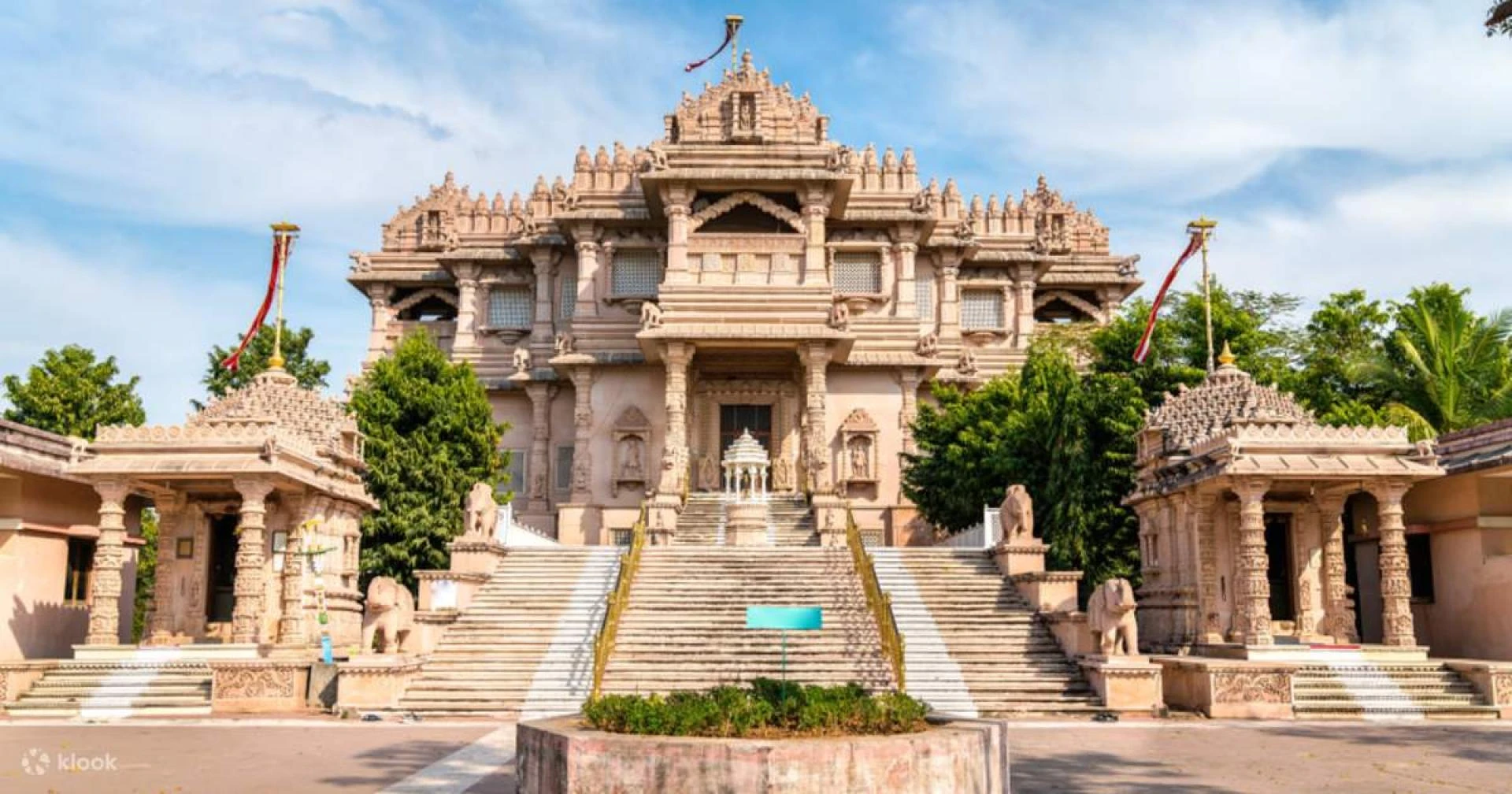
Stepping into the Dandi Kutir Museum is less like entering a building and more like walking through a living timeline of India’s soul. Located in the heart of Gujarat’s capital, this salt-mound-shaped architectural marvel stands as the world's largest museum dedicated to a single person: Mahatma Gandhi. For travelers staying at a luxury hotel in gandhinagar, the museum offers a profound cultural anchor to their visit, blending cutting-edge technology with the timeless philosophy of non-violence. It is not merely a collection of artifacts but an immersive journey that traces the transformation of Mohandas Karamchand Gandhi into the "Mahatma" who moved a nation toward freedom.
The Architectural Symbolism of the Salt Mound
The very structure of Dandi Kutir is a masterclass in symbolic design. Built to resemble a giant mound of salt, the architecture pays homage to the historic 1930 Dandi March. This event was a pivotal moment in the Indian independence movement, where Gandhi defied the British salt tax, proving that a simple natural resource could become a powerful tool for civil disobedience. As you approach the museum, the sheer scale of the structure prepares you for the magnitude of the history housed within. It serves as a visual reminder that great changes often begin with the humblest of elements.
A Multidimensional Journey Through Time
Inside, the museum is divided into distinct phases, each representing a chapter of Gandhi’s life. Unlike traditional museums with static displays, Dandi Kutir utilizes 3D mapping, holography, and high-definition projections to engage the senses. From his early childhood in Porbandar to his formative years as a young lawyer in South Africa, the exhibits use audio-visual storytelling to make the visitor feel like a silent observer of history. You can almost hear the rustle of the wind on the South African plains where Gandhi first experimented with Satyagraha, or feel the weight of the silence in his simple living quarters.
The Philosophy of Satyagraha and Ahimsa
The core of the museum's narrative focuses on Gandhi's commitment to Truth (Satya) and Non-violence (Ahimsa). One of the most moving sections details his return to India and his subsequent travels across the rural heartlands. Visitors can see replicas of his spinning wheel (Charkha) and his iconic spectacles, but the real impact comes from the curated letters and speeches that highlight his intellectual depth. It is an educational experience that goes beyond history books, offering insights into his personal struggles, his unwavering discipline, and his vision for an inclusive India.
Planning Your Visit to the Museum
Dandi Kutir is conveniently located within the Mahatma Mandir complex, making it an easy day trip for tourists and business travelers alike. If you are visiting for a sporting event or a concert and staying at a hotel near motera stadium ahemdabad, the commute to the museum is straightforward, taking roughly 20 to 30 minutes. The museum is open from Tuesday to Sunday, typically from 10:30 AM to 5:30 PM. It is highly recommended to set aside at least three hours to fully absorb the 4D virtual reality shows and the extensive digital galleries that bring the past into the present.
Exploring the Local Culinary Scene
After a deep dive into history, most visitors find themselves reflecting on the experience over a good meal. Gandhinagar has evolved into a vibrant hub for food enthusiasts, offering everything from traditional Gujarati thalis to contemporary international cuisine. If you are looking for the best restaurants in Gandhinagar to end your day, the city’s dining landscape provides a variety of atmospheres—ranging from serene garden cafes to high-end fine dining establishments. Many of these spots emphasize the same local, organic values that Gandhi himself championed, providing a perfect culinary bookend to a day of historical exploration.
Why Dandi Kutir Remains Relevant Today
In an era of rapid digital consumption, the Dandi Kutir Museum serves as a necessary pause. It challenges visitors to think about sustainability, social justice, and personal integrity. The museum doesn't just show us who Gandhi was; it asks us who we are today. By using modern technology to tell an ancient story of human rights, it bridges the gap between generations. Whether you are a history buff, a student, or a casual traveler, the museum leaves an indelible mark on your conscience, reminding us that one person’s resolve can indeed change the world.
Practical Tips for Travelers
To ensure a smooth experience, it is advisable to wear comfortable walking shoes, as the museum layout involves significant movement across multiple levels. Photography is restricted in certain high-tech zones to preserve the integrity of the light shows, so it’s best to check with the staff upon entry. For those traveling with family, the interactive nature of the exhibits makes it a fantastic educational spot for children, keeping them engaged with puzzles and digital interfaces that explain complex historical events in an accessible way.
Conclusion
The Dandi Kutir Museum is more than a landmark; it is a pilgrimage into the heart of the Indian spirit. It perfectly complements a stay in the city, offering a balance of high-tech luxury and deep-rooted heritage. After witnessing the life of the Mahatma, one walks away with a renewed sense of purpose and a deeper understanding of the values that continue to shape modern India. As you return to the comforts of your hotel, the lessons of the "Salt Mound" stay with you, proving that history is not just behind us—it is within us.