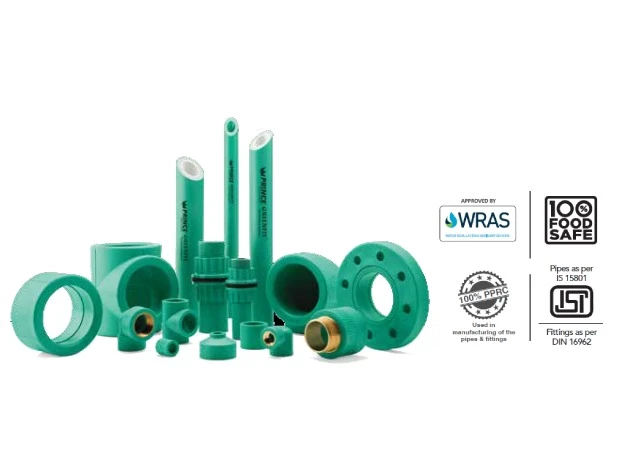
Water contamination in commercial water systems poses significant health and safety risks. Clean and safe water is fundamental, so it is crucial to address potential contamination issues. The most effective way to reduce the risk of contamination is to select the proper water storage and distribution systems. This ensures that the water supplied is free from harmful pollutants and is safe to drink or use in production.
Preventing water contamination
The primary concern with water contamination in commercial water systems is the potential introduction of harmful bacteria, viruses, and chemicals. This is crucial for businesses involved in food production, as water quality directly affects the safety and quality of the final product. If the water used is contaminated, it can lead to foodborne illnesses, product recalls, legal liabilities, and a damaged reputation.
Preventing contamination begins with the proper infrastructure, including reliable water tanks and pipes that can withstand external and internal environmental factors while providing a safe pathway for water.
Reliable water tanks
Tanks made from non-corrosive, durable materials, such as high-density polyethene, are ideal because they do not react with water, preventing chemical contamination. These materials also ensure that the water remains free from microorganisms that could breed in poorly maintained tanks. Tanks with UV resistance and internal coatings that prevent algae growth or bacterial buildup are essential in preserving water quality.
Proper tank maintenance is crucial for maintaining clean water. Regular cleaning, periodic inspection for signs of leakage, and checking for biofilm formation inside the tank are all practices that can prevent contamination from compromising water safety. Investing in tanks equipped with sealing mechanisms to prevent external contamination from dirt, dust, or insects also helps maintain the purity of the water.
Pipes preventing contamination.
The materials used for the pipes that transport water to and from the storage tank must meet the criteria of hygiene and durability. Opting for food-grade corrosion-resistant pipes ensures that the water will not be affected by chemicals leached. Commercial water pipes are made of materials like PVC, CPVC, or stainless steel due to their resistance to corrosion and low risk of chemical interactions with water.
Selecting the right materials, along with proper installation and maintenance of pipes, is crucial. Well-installed pipes with secure fittings and connections prevent leaks, which are a source of contamination. Leaks allow pollutants such as dirt, dust, and microorganisms from the external environment to enter the water system. Routine checks to detect any damage or blockages in the pipes, along with cleaning and sanitising the system, help mitigate these risks.
Conclusion
The proper water tanks and pipes are vital in reducing the risk of water contamination in commercial water systems. Businesses in sectors like food production must prioritise selecting high-quality, durable materials and commit to regular maintenance to ensure that water remains safe and clean. By doing so, companies provide their customers with safety and well-being and protect their operations from potential financial and reputational damage caused by waterborne contaminants.