The modern commercial washroom has evolved far beyond a simple functional space. Today, businesses, architects, and facility managers recognise the importance of creating washrooms that deliver comfort, hygiene, durability, and visual appeal. As user expectations continue to rise, design innovation has become a major driving force in the washroom industry.
The future of commercial bathroom cubicles is being shaped by new materials, advanced manufacturing techniques, sustainability initiatives, and a growing focus on user experience. From smart technology integration to contemporary aesthetics, innovative design solutions are helping organisations create washroom environments that are practical, efficient, and attractive.
As commercial buildings continue to evolve, the role of high-quality cubicle systems becomes increasingly important. Modern designs are transforming how people interact with washroom spaces while helping businesses achieve long-term value and operational efficiency.
The Changing Role of Commercial Washrooms
Commercial washrooms were once viewed purely as necessities. Today, they are considered an essential part of a building's overall design and user experience. Whether in offices, schools, hotels, retail centres, healthcare facilities, or leisure venues, washrooms contribute significantly to visitor impressions and employee satisfaction.
This shift has encouraged manufacturers to rethink the design of commercial bathroom cubicles. The focus is no longer solely on durability. Designers now prioritise aesthetics, accessibility, sustainability, privacy, and hygiene.
As a result, innovative cubicle solutions are becoming key features in modern commercial developments. Businesses understand that high-quality washroom facilities can strengthen brand image and improve the overall perception of their premises.
Advanced Materials Driving Innovation
One of the most significant developments in the industry is the use of advanced materials. Traditional cubicle systems often struggled to withstand years of heavy use, particularly in high-traffic environments.
Modern commercial toilet cubicles now utilise materials that offer superior durability, moisture resistance, and longevity. Compact laminate and solid-grade laminate have become popular choices because they resist impact, scratches, and water damage.
These materials maintain their appearance even in demanding environments such as leisure centres, airports, and educational facilities. Their long lifespan reduces maintenance requirements and helps building owners achieve better value from their investment.
Innovative surface technologies also improve hygiene by reducing the accumulation of dirt and bacteria, making cleaning easier and more effective.
Contemporary Designs for Modern Buildings
A major trend shaping the future of commercial washroom cubicles is the growing demand for contemporary design. Architects and interior designers increasingly view washrooms as an extension of the overall building aesthetic.
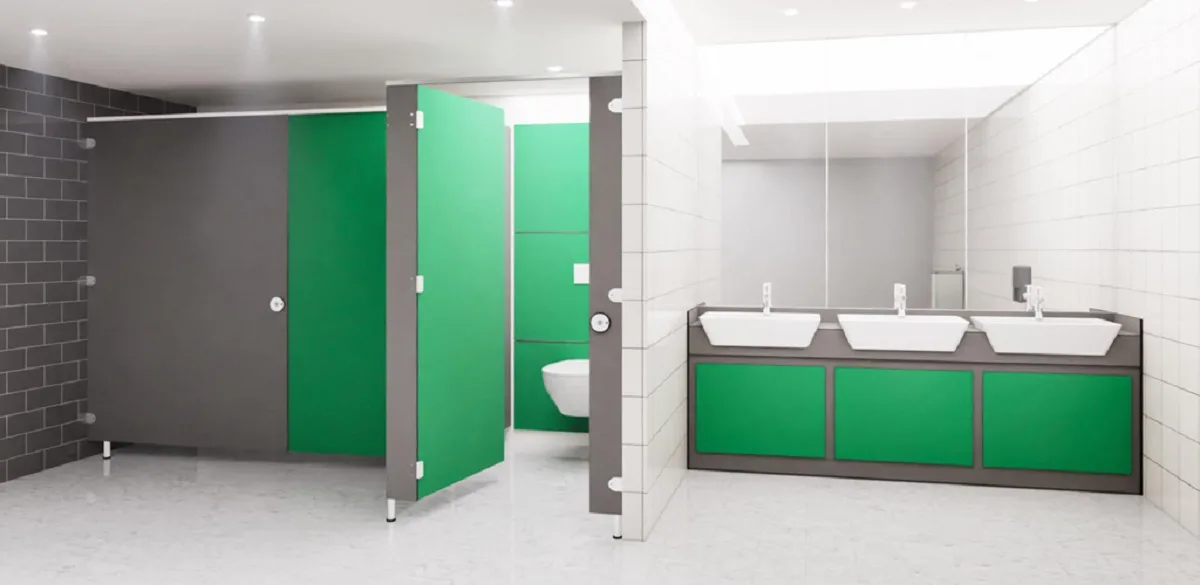
Manufacturers now offer a wide variety of finishes, colours, textures, and configurations. From sleek minimalist styles to premium wood-effect finishes, modern cubicle systems can complement virtually any interior design scheme.
Clean lines, concealed fixings, and elegant hardware create sophisticated washroom environments that enhance the appearance of commercial properties. These design innovations allow businesses to create memorable spaces that reflect their brand identity while maintaining practical functionality.
Enhanced Privacy Solutions
Privacy remains one of the most important considerations in washroom design. Users expect a secure and comfortable environment, regardless of the type of facility they are visiting.
New-generation commercial bathroom cubicles incorporate design features that improve privacy without compromising accessibility or ease of maintenance. Reduced sight lines, tighter door gaps, and full-height configurations are becoming increasingly popular.
These solutions create a more comfortable experience for users while enhancing perceptions of quality and professionalism. As expectations continue to evolve, privacy-focused innovations are likely to play an even greater role in future washroom design.
Hygiene-Focused Design Innovations
The importance of hygiene has never been greater. Businesses and organisations must ensure that washrooms meet high cleanliness standards while remaining easy to maintain.
Modern commercial toilet cubicles are designed with hygiene as a central priority. Smooth, non-porous surfaces minimise bacterial growth and simplify cleaning procedures. Moisture-resistant materials help prevent mould and mildew while maintaining structural integrity.
Many washrooms now incorporate touch-free technologies alongside quality commercial washroom supplies. Automatic soap dispensers, sensor-operated taps, touchless flushing systems, and hands-free hand dryers reduce contact points and support better hygiene practices.
These innovations help create healthier environments for employees, visitors, and customers while improving overall user confidence.
Sustainable Manufacturing and Eco-Friendly Solutions
Sustainability has become a critical consideration across the construction and facilities management sectors. Businesses are increasingly seeking environmentally responsible products that support their sustainability goals.
The future of commercial washroom cubicles is closely linked to eco-friendly manufacturing practices. Many manufacturers now use responsibly sourced materials and energy-efficient production methods.
Durable cubicle systems contribute to sustainability by reducing replacement frequency and minimising waste. Long-lasting products require fewer resources over their lifecycle, making them a more environmentally responsible choice.
When combined with sustainable commercial washroom supplies, including water-saving fixtures and energy-efficient equipment, modern washrooms can significantly reduce their environmental footprint.
Smart Technology Integration
Technology is influencing nearly every aspect of commercial building design, and washrooms are no exception. Smart washroom solutions are becoming increasingly common in modern facilities.
Innovative commercial bathroom cubicles can be integrated into wider smart building systems that monitor usage patterns, maintenance requirements, and cleaning schedules. Occupancy sensors can provide real-time information that helps facility managers improve efficiency.
Data-driven maintenance strategies reduce downtime and ensure that washrooms remain fully operational. Smart technology also helps organisationsoptimise resource allocation and improve overall facility performance.
As digital transformation continues across commercial sectors, smart washroom features are expected to become standard components of future washroom environments.
Accessibility and Inclusive Design
Inclusive design is a fundamental aspect of modern commercial architecture. Businesses must ensure that facilities are accessible to people of all abilities.
Modern commercial toilet cubicles are increasingly designed with accessibility in mind. Wider doors, improved layouts, grab rails, and enhanced manoeuvring space help create comfortable environments for all users.
Designers are also focusing on creating inclusive washrooms that meet diverse user needs while complying with relevant regulations and standards. These innovations support equality, improve user experience, and demonstrate a commitment to social responsibility.
Future washroom design will continue to prioritise accessibility, ensuring that facilities remain welcoming and practical for everyone.
Flexible and Customisable Cubicle Systems
Every commercial building has unique requirements. Schools, offices, healthcare facilities, hospitality venues, and retail centres all face different operational challenges.
To meet these varying needs, manufacturers are developing highly customisable commercial washroom cubicles. Flexible design options allow organisations to select layouts, materials, colours, and configurations that align with their specific requirements.
Customisation helps maximise space efficiency while ensuring that washrooms support the intended user experience. It also enables businesses to create distinctive interiors that reinforce their brand image and design objectives.
This trend towards greater flexibility is expected to continue as organisations seek increasingly personalised solutions.
Durability for High-Traffic Environments
Commercial washrooms often experience heavy daily usage. Durability remains one of the most important factors when selecting cubicle systems.
Modern commercial bathroom cubicles are engineered to withstand demanding conditions without compromising appearance or functionality. Improved manufacturing processes and stronger materials help prevent damage caused by moisture, impact, and frequent use.
High-performance cubicles reduce maintenance costs, minimise operational disruptions, and provide long-term value for building owners. These benefits make durable cubicle systems an essential component of successful commercial facilities.
As innovation continues, manufacturers are finding new ways to improve performance while maintaining attractive and contemporary designs.
The Importance of Reliable Washroom Partners
The success of any washroom project depends not only on product quality but also on supplier expertise. Organisations benefit from working with experienced providers that understand modern design trends and commercial requirements.
Companies such as Washroom Cubicles Direct Ltd play an important role in delivering innovative solutions for commercial environments. By offering high-quality cubicle systems and supporting products, they help businesses create washrooms that combine functionality, durability, and style.
Reliable suppliers also provide valuable guidance throughout the planning and installation process, ensuring that projects achieve the best possible outcomes.
Future Trends to WatchSeveral emerging trends are expected to influence the next generation of washroom design. These include greater use of sustainable materials, enhanced privacy solutions, advanced smart technologies, and increasingly personalised design options.
The integration of digital management systems with commercial washroom supplies will further improve maintenance efficiency and user satisfaction. Manufacturers are also likely to continue exploring innovative materials that offer improved performance while reducing environmental impact.
As businesses place greater emphasis on wellbeing, hygiene, and sustainability, washroom design will remain a key area of innovation within commercial buildings.
Conclusion
The future of commercial bathroom cubicles is being shaped by a combination of technological advancement, sustainability, user-centred design, and improved material performance. Modern commercial toilet cubicles now offer far more than basic functionality. They provide enhanced privacy, superior durability, improved hygiene, and exceptional visual appeal.
Innovative commercial washroom cubicles are helping businesses create facilities that meet the expectations of modern users while supporting long-term operational goals. When combined with high-quality commercial washroom supplies, these systems contribute to safer, cleaner, and more efficient washroom environments.
As the industry continues to evolve, organisations that invest in forward-thinking solutions will be better positioned to meet future demands. Trusted providers such as Washroom Cubicles Direct Ltd remain at the forefront of this transformation, delivering products that combine innovation, performance, and lasting value for commercial buildings across the UK.