
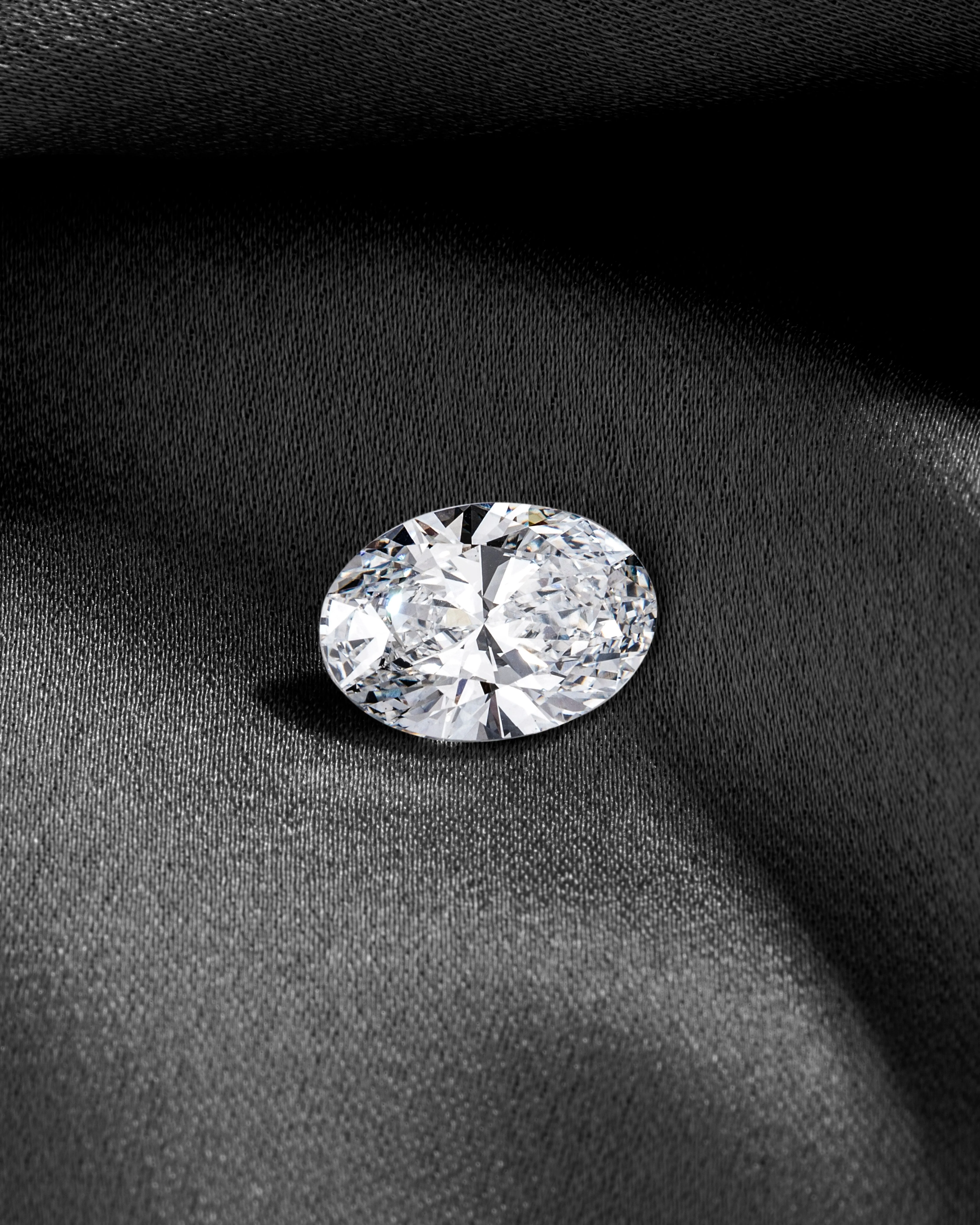
Buying a diamond is a meaningful investment, but finding the right stone at a suitable price can be challenging. Diamonds with similar carat weights may have noticeably different prices because of variations in cut, color, clarity, certification, shape, and overall quality. Without careful research, shoppers can easily compare the wrong factors or pay more than necessary.
A thoughtful Diamond Price Comparison process helps buyers understand these differences before making a decision. Instead of focusing only on the advertised price, shoppers can evaluate the complete specifications of several diamonds and determine which option offers the best balance of quality and value.
Why Diamond Prices Vary
There is no single fixed price for diamonds. Each stone has its own combination of characteristics, and even small differences can affect its market value.
The most familiar factors are the 4Cs:
- Cut influences brilliance, sparkle, and light performance.
- Color describes the presence or absence of visible body color.
- Clarity indicates the number and visibility of internal or external characteristics.
- Carat refers to the diamond's weight.
However, the 4Cs do not tell the entire story. Diamond shape, proportions, fluorescence, certification, availability, and market demand can also influence pricing.
For example, two diamonds may both weigh one carat but have different cuts and clarity grades. Their prices can therefore differ substantially. Understanding these details is essential before deciding which diamond represents better value.
Start With a Realistic Budget
Before comparing individual diamonds, establish a budget. Having a clear spending range prevents shoppers from becoming distracted by stones that do not fit their financial plans.
A budget should not be based on a generic rule about how much someone "should" spend. Every buyer has different priorities. Some may prefer a larger stone, while others may prioritize cut quality or a particular diamond shape.
Once the budget is established, compare diamonds within a realistic price range. This makes the research process more focused and allows you to identify which characteristics provide the greatest value for your money.
Compare the 4Cs Carefully
Cut Quality
Cut is particularly important because it affects how a diamond handles light. A diamond with strong cut characteristics can appear lively and bright, while a poorly cut stone may look less impressive despite having a higher carat weight.
When comparing prices, avoid assuming that the largest diamond is automatically the best purchase. A well-balanced stone can provide stronger visual appeal without requiring the highest possible carat weight.
Color Grade
Color grades help describe how close a diamond appears to colorless. The ideal choice depends on the diamond shape, metal used in the setting, and the buyer's visual preference.
Rather than automatically selecting the highest color grade, compare diamonds to determine whether a lower grade still provides the appearance you want.
Clarity Grade
Clarity refers to characteristics such as inclusions and blemishes. Higher clarity can increase price, but not every clarity difference is equally visible to the naked eye.
A smart comparison considers whether the clarity grade provides a meaningful visual benefit. In some cases, shoppers can choose a diamond with a lower clarity grade that still looks clean without paying a premium for characteristics they cannot easily see.
Carat Weight
Carat is one of the most visible pricing factors, but it measures weight rather than beauty or quality.
Prices can increase significantly around popular carat thresholds. Therefore, considering diamonds slightly below a major weight milestone may reveal options that offer an attractive appearance at a different price point.
Consider Diamond Shape
Shape can influence both appearance and price. Round diamonds often follow different pricing patterns from fancy shapes such as oval, pear, cushion, emerald, or princess.
If you have flexibility, comparing several shapes can help you discover alternatives that match your preferred style while fitting your budget.
Shape should also be considered in relation to the setting. A diamond that looks excellent by itself may have a different visual effect once placed in a particular ring design.
Certification Matters When Comparing Prices
A diamond grading report provides documented information about a stone's characteristics. This makes certification an important part of a reliable comparison.
When reviewing diamonds, confirm that the grading information belongs to the specific stone you are considering. Look at the complete report rather than relying only on a retailer's short product description.
Certification does not automatically make one diamond better than another, but it provides a standardized reference point. This helps shoppers compare stones using more consistent information.
Look at the Complete Value, Not Just the Price
A low advertised price can appear attractive, but it may not represent the best overall value. Before making a purchase, review the complete product details and the retailer's policies.
Consider factors such as:
- Diamond grading documentation
- Cut and proportions
- Color and clarity
- Carat weight and measurements
- Diamond shape
- Fluorescence when applicable
- Return and exchange policies
- Warranty or after-sales support
- Shipping and delivery terms
A comprehensive Diamond Price Comparison should consider these details together. The objective is to understand why two diamonds have different prices and decide whether the difference is worthwhile.
Use Online Tools to Narrow Your Choices
Online diamond shopping allows buyers to review many stones without visiting multiple physical stores. Search filters can help narrow results according to budget, carat, shape, color, clarity, and other preferences.
However, filters should be used as a starting point rather than the final decision-making tool. Once you have a shortlist, examine each diamond individually and compare its specifications.
Keeping a simple record of your preferred options can also help. Note the price, grading information, measurements, shape, and features that stand out. This makes it easier to revisit your choices without starting the search again.
How Diamond Hedge Supports Better Diamond Research
Diamond Hedge is designed for shoppers who want a more informed way to research and compare diamonds online. Instead of making a purchase based solely on a single listing, buyers can use comparison-focused research to understand how different diamonds measure up.
The value of an online comparison process comes from asking the right questions. Is the cut appropriate for the price? Does the clarity provide a visible advantage? Is the color suitable for the chosen setting? Does the certification support the listed specifications?
Answering these questions helps turn diamond shopping into a more deliberate process.
Mistakes to Avoid During Diamond Price Comparison
One common mistake is comparing diamonds based only on carat weight. Weight does not account for every factor affecting beauty or price.
Another mistake is assuming that the highest possible grades are always necessary. Depending on your priorities, money spent on an extremely high clarity or color grade may provide less visible benefit than improving another characteristic.
Shoppers should also avoid comparing diamonds without checking their grading information. If two stones have different specifications, their prices cannot be evaluated fairly without understanding those differences.
Finally, avoid rushing because of limited-time promotions or pressure to buy immediately. A significant purchase deserves careful research and verification.
Conclusion
A thorough Diamond Price Comparison gives shoppers a clearer understanding of what they are actually paying for. By evaluating the 4Cs, diamond shape, certification, proportions, retailer policies, and overall value, buyers can make more informed decisions instead of choosing solely on price.
Diamond shopping does not have to be complicated. Start with a realistic budget, identify the characteristics that matter most to you, compare diamonds with similar specifications, and investigate the details behind significant price differences.
With careful research through Diamond Hedge and a balanced approach to quality and cost, shoppers can narrow their choices confidently and find a diamond that fits both their expectations and budget.