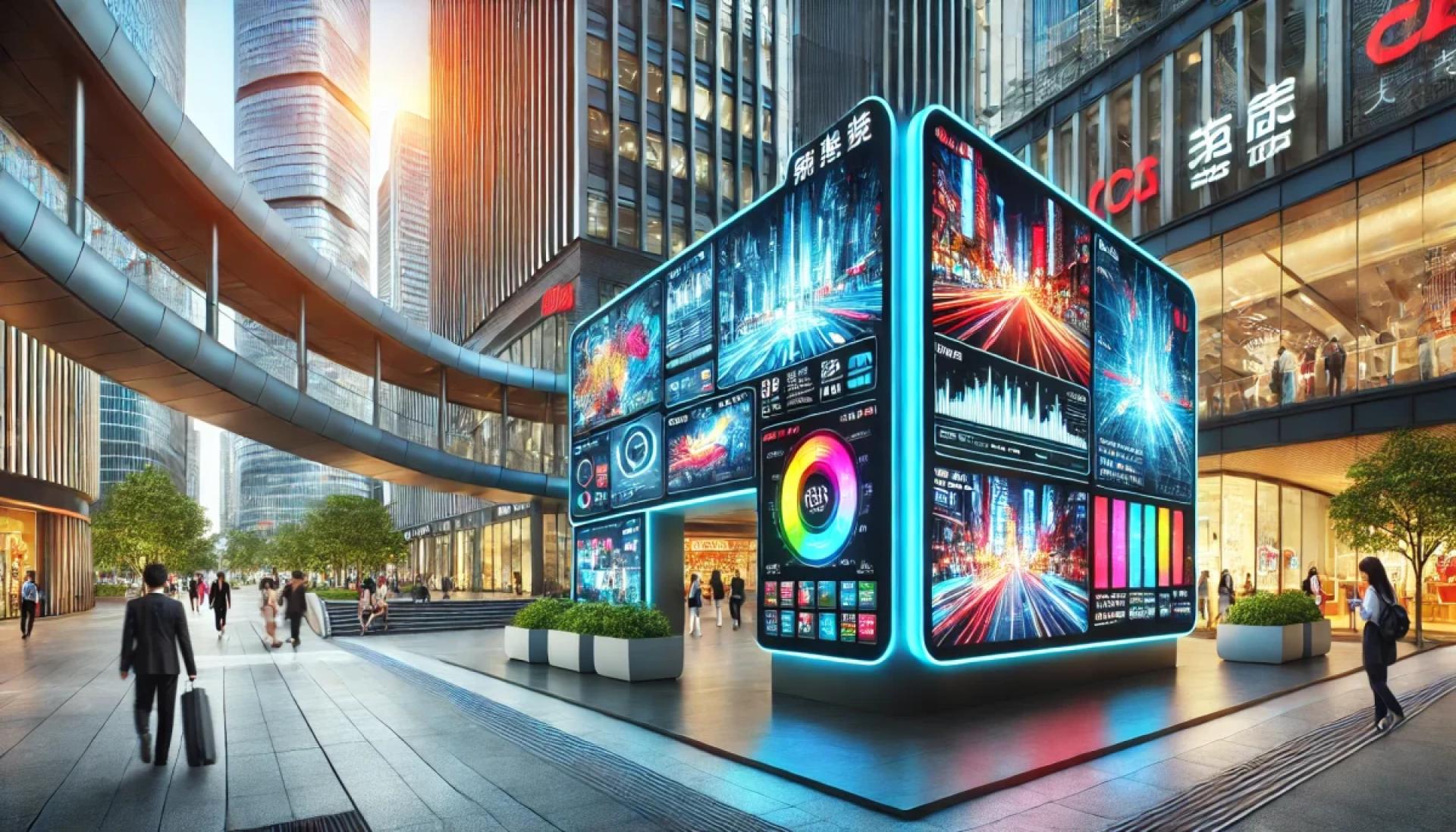
In today’s digital world, grabbing attention and sharing information effectively is more important than ever. Whether in retail stores, corporate offices, schools, or public transport stations, digital signage is changing how these places connect with their audiences. By showing eye-catching visuals and allowing quick updates, digital signage makes communication easier and gives businesses a new way to engage with people. This article will explain what digital signage is, how it works, the different types available, its benefits, and how to choose the right solution for your needs.
What is Digital Signage and How It Works?
Digital signage refers to the use of digital displays, such as LED, LCD, or projection screens, to showcase dynamic content like videos, advertisements, and information in public or private spaces. Unlike traditional signage, which is static and costly to update, digital signage allows for real-time content changes, making it an incredibly versatile communication tool.
A central content management system (CMS) is used to upload, schedule, and broadcast content to one or multiple screens. This system can be cloud-based or operated locally. With the ability to control what appears on each screen, businesses can deliver targeted messages to the right audience at the right time, maximizing engagement and impact.
Types of Digital Signage
There are several types of digital signage, each tailored for different environments and purposes:
- Indoor Signage: Used in retail stores, office buildings, and public spaces to inform, entertain, or promote products and services.
- Outdoor Signage: These are weatherproof displays, often found in malls, streets, and public transport areas, designed to withstand various weather conditions.
- Interactive Signage: These allow users to interact with the display, offering a more personalized experience, commonly used in kiosks or touchscreens.
- Video Walls: Large, multi-screen displays often found in control rooms or large venues for impactful, high-resolution visuals.
- Wayfinding Signage: Helps users navigate large spaces, like airports or shopping centers, by providing clear directions.
The Benefits of Digital Signage
Digital signage offers a wide range of benefits that traditional signage cannot compete with:
- Real-Time Updates: Easily update content to reflect the latest promotions, news, or events without the need for reprinting.
- Enhanced Engagement: Moving images and videos capture attention better than static posters, making it an effective tool for engaging customers.
- Cost Efficiency: Though the initial setup cost may be higher, digital signage saves on long-term costs, as there’s no need for constant reprints or replacements.
- Targeted Messaging: Businesses can schedule different content based on time of day, location, or audience demographic, increasing the relevance and effectiveness of communications.
- Analytics and Insights: Many digital signage systems provide data on how many people interacted with or viewed the content, enabling performance tracking and optimization.
- Eco-Friendly: By reducing the need for printed materials, digital signage contributes to greener, more sustainable business operations.
For businesses in bars, malls, and retail environments, the 4KIP200 series is a fantastic choice. Our AV Access 4KIP200 HDMI over IP solution makes things easy—it requires no setup on the Ethernet switch, so installation is quick and hassle-free. This system not only allows for speedy plug-and-play setup but also supports video walls, making it ideal for busy areas. Plus, IT staff can easily manage all sources and displays using a tablet, ensuring everything runs smoothly and efficiently.
Why Do We Need Digital Signage?
In a world where attention spans are shrinking, businesses and organizations need to find innovative ways to capture and retain their audience’s attention. Digital signage achieves this through dynamic, visually stimulating content that can be quickly adapted to changing needs.
It’s an essential tool for businesses in retail, hospitality, healthcare, education, and transportation, providing value in numerous ways:
- Retailers: Use digital signage to promote sales, highlight products, and improve customer experiences with interactive touchpoints.
- Corporations: Enhance internal communications and employee engagement by displaying company news, performance metrics, or motivational content in offices.
- Educational Institutions: Schools and universities use digital signage for announcements, event updates, or campus navigation.
- Hospitals: Digital screens in healthcare facilities inform patients about services, reduce perceived waiting times, or display health tips.
How to Choose Your Digital Signage?
Choosing the right digital signage solution depends on your business needs, budget, and the environment in which it will be used. Here are a few key factors to consider:
- Screen Type: LED and LCD are the most common. LED screens are typically brighter and better for outdoor use, while LCD screens are more cost-effective for indoor settings.
- Screen Size and Resolution: Larger spaces often require bigger screens with higher resolutions, such as 4K, to ensure clarity.
- Content Management System (CMS): Choose a CMS that’s user-friendly and allows for easy scheduling, updates, and control over multiple displays.
- Interactivity: If you want to encourage user interaction, such as touch screens for maps or product selection, interactive signage is essential.
- Location: Consider whether the display will be used indoors or outdoors, as this will affect durability, brightness, and weather resistance.
- Budget: While the initial investment may be higher than traditional signage, the long-term benefits and savings make digital signage a cost-effective solution.
- Scalability: If you plan to expand your digital signage network in the future, choose a system that can easily grow with your business.
Summary
Digital signage is transforming the way businesses communicate with their audiences. It combines the flexibility of digital media with the power of real-time content delivery, offering a versatile tool to engage customers, employees, and visitors alike. Whether you’re looking to enhance your retail environment, improve internal communication, or provide valuable information to the public, digital signage offers the perfect blend of efficiency, adaptability, and creativity.
By leveraging advanced solutions like the 4KIP200 series, businesses in bars, malls, and retail spaces can easily implement scalable, high-quality digital signage systems. These systems provide the flexibility and visual impact needed to attract and retain customer attention, ensuring a stronger, more engaging presence in competitive environments.
More Resources
- Transforming Ford’s Garage with 4K HDMI over IP Solution
- Case Study: Building a Robust Video Distribution System in an American Sports Bar with 4KIP200 Series
- Networked AV System: Everything You Need to Know
- 4KIP200 Review: Genuine User Feedback and Honest Insights
- Case Study: Creating a Powerful HDMI Distribution System in a Large Meeting Room with the 4KIP200 Series