You feel it when your home does not hold temperature well. Rooms get too hot or too cold. Energy bills keep rising. You start thinking about fixing insulation on your own to save money. That is where DIY spray foam insulation comes in. It sounds simple, but there is more to it than just spraying foam into gaps. In this guide, you will learn how it works, what benefits it offers, and what risks you need to understand. You will also get clear home insulation tips to help you decide if this approach is right for you.
What Is DIY Spray Foam Insulation
DIY spray foam insulation is a method where you use a kit to seal gaps and cracks in your home. The foam expands after application and blocks air movement.
It is often used in small projects like sealing windows, doors, or attic leaks where heat escapes.
Why Homeowners Consider DIY Options
Many homeowners look into diy spray foam insulation because they want to reduce costs and take control of their home improvements.
You may also want faster results without waiting for a contractor or dealing with scheduling delays.
How Spray Foam Works
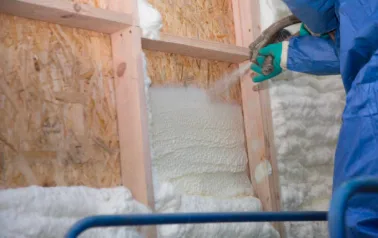
Spray foam is made from two liquid components that mix and expand. Once applied, it hardens into a solid layer that blocks air and moisture.
It creates a tight seal, which makes it more effective than traditional insulation in many cases.
Key Benefits You Should Know
Using DIY methods can offer real advantages when done correctly. These benefits often attract homeowners who want quick improvements.
- Reduces air leaks and improves indoor comfort
- Helps lower energy bills over time
- Expands to fill small gaps that other materials miss
- Can improve indoor air quality by sealing entry points
These are important home insulation tips to keep in mind when comparing insulation options.
Cost Comparison and Practical Value
Below is a simple comparison to help you understand how DIY compares with professional installation.
FactorDIY Spray FoamProfessional Spray FoamAverage CostLower upfront costHigher upfront costApplication QualityDepends on skillConsistent and reliableCoverage EfficiencyMay be unevenFully optimizedSafety ControlLimitedProfessionally managedLong-Term SavingsModerate if done rightHigh due to precisionStudies from energy efficiency programs show that proper spray foam insulation can reduce heating and cooling costs by up to 20 percent in some homes.
Where DIY Works Best
DIY spray foam insulation is best for small and controlled areas.
You can use it in places like
- Around window frames
- Door gaps
- Small attic openings
- Pipe penetrations
These targeted fixes are part of effective home insulation tips that improve performance without major risk.
Common Mistakes People Make
Many homeowners underestimate the process. Poor application can lead to wasted material and weak results.
Some common mistakes include
- Applying too much foam, which causes uneven expansion
- Missing hidden gaps that still allow air leaks
- Not preparing surfaces properly before spraying
Learning proper home insulation tips can help reduce these issues and improve results.
Safety Risks You Should Not Ignore
Spray foam contains chemicals that can be harmful if not handled correctly.
You need protective gear such as gloves, masks, and proper ventilation. Without these, exposure can lead to breathing issues or skin irritation.
This is one of the biggest downsides of spray foam insulation and should be taken seriously before starting.
Performance vs Professional Work
While DIY can work for small jobs, professional installation usually delivers better results.
Professionals use advanced tools and ensure even coverage. They also understand building structure and airflow patterns.
This is why many experts recommend professional work for large areas like a full attic or wall insulation.
Long-Term Durability Considerations
If applied correctly, spray foam can last for years without losing performance.
However, uneven DIY application can lead to gaps over time. This reduces efficiency and may require repairs sooner than expected.
Understanding proper home insulation tips can help extend the life of your insulation.
When DIY Is Not the Right Choice
There are situations where DIY is not recommended.
- Large insulation projects
- Hard-to-reach spaces
- Areas with moisture problems
- Structural insulation upgrades
In these cases, hiring professionals ensures safety and better long-term results.
Balancing Cost and Results
DIY spray foam insulation can save money at the start. But mistakes can increase costs later due to rework or inefficiency.
Professional services cost more upfront but often provide better value over time through improved performance and durability.
This balance is important when planning your insulation project.
Real World Insight
Homeowners who use diy spray foam insulation for small repairs often see quick improvements in comfort.
However, those who attempt full home insulation without experience often face uneven coverage and higher long-term costs.
This highlights the importance of choosing the right approach for your situation.
Key Takeaways
- DIY spray foam insulation works best for small targeted areas
- Proper safety measures are essential during the application
- Professional installation offers better consistency and long-term value
- Cost savings depend on correct application and planning
- Following clear home insulation tips improves results and reduces mistakes
Final Thoughts
DIY spray foam insulation can be a useful solution when you need quick fixes for small gaps and leaks. It gives you control over your project and can reduce initial costs. However, it also comes with risks related to safety, quality, and long-term performance. You need to carefully assess your skills, tools, and the size of your project before deciding.
For larger or more complex insulation needs, working with experts like Butler Professional Sprayfoam ensures better results, improved safety, and long-term efficiency. Making the right choice today can save you time, money, and stress in the future.
Frequently Asked Questions (FAQs)
1. Is DIY spray foam insulation safe to use?
Yes, but only with proper safety gear and ventilation to avoid chemical exposure.
2. Can DIY spray foam reduce energy bills?
Yes, if applied correctly, it can help reduce heating and cooling costs.
3. How long does spray foam insulation last?
It can last many years, but a poor DIY application may reduce its lifespan.
4. Is DIY cheaper than professional insulation?
It has a lower upfront cost, but mistakes can increase total expenses.
5. Where should I use DIY spray foam insulation?
It works best for small areas like gaps around windows, doors, and pipes.