
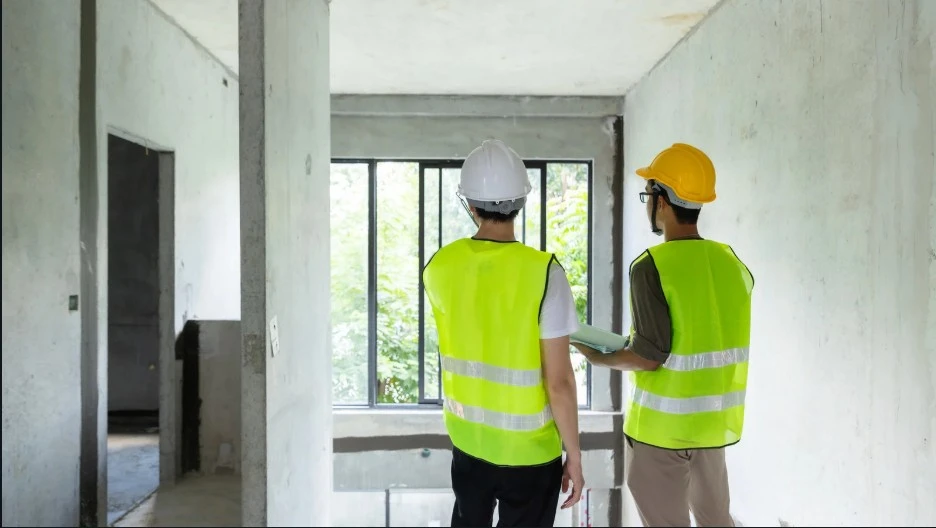
When it comes to the safety of your home and family, radon testing should be at the top of your priority list. This odorless, colorless gas is a silent threat that can seep into any home through cracks in the foundation, making it imperative to understand its risks and take proactive measures.
Understanding Radon: What Is It and Why Is It Dangerous?
Radon is a naturally occurring radioactive gas that forms from the decay of uranium in soil, rock, and water. It enters homes through gaps in floors, walls, and foundations, accumulating to potentially harmful levels over time. Exposure to high levels of radon increases the risk of lung cancer, making it the second leading cause in the United States.
The Importance of Radon Testing in Home Inspections
During a home inspection, radon testing should be a non-negotiable component. Professional inspectors use specialized equipment to measure radon levels, ensuring accurate results. This test is crucial because radon levels can vary significantly even between neighboring homes.
Signs Your Home Might Have Radon Issues
Detecting radon without professional testing is impossible due to its invisible and odorless nature. However, there are certain signs that might indicate elevated radon levels in your home, such as respiratory issues or a history of lung cancer in non-smokers.
Mitigation: How to Reduce Radon Levels in Your Home
If high radon levels are detected, mitigation steps can effectively reduce exposure. Common methods include sub-slab depressurization, which uses pipes and fans to draw radon from beneath the home and vent it safely outside. Sealing cracks and improving ventilation are also effective in minimizing radon infiltration.
DIY vs. Professional Radon Mitigation: What You Need to Know
While some homeowners opt for DIY radon mitigation kits, professional services offer more reliable results. Certified radon mitigation professionals use advanced techniques to ensure long-term effectiveness and compliance with local regulations.
The Cost of Radon Mitigation: Is It Worth It?
Investing in radon mitigation is not just about cost but about safeguarding your family’s health. The average cost of mitigation varies depending on factors like home size and foundation type, but it is a small price to pay compared to the potential health risks associated with prolonged radon exposure.
Radon Testing and Real Estate Transactions: What Buyers and Sellers Should Know
For those buying or selling a home, radon testing can significantly impact transactions. Sellers can enhance their home’s marketability by providing radon test results, while buyers should insist on testing during inspections to avoid future health hazards and financial burdens.
The Future of Radon Awareness and Regulation
As awareness of radon grows, so does the importance of regulatory measures and public education. Many states now require radon testing or disclosure during real estate transactions, underscoring its critical role in maintaining indoor air quality and public health.
Conclusion
In conclusion, radon testing is not just another checkbox in a home inspection—it’s a vital step toward ensuring your home is a safe environment for your loved ones. By understanding the risks, detecting potential issues early, and taking decisive action through mitigation if necessary, you can effectively safeguard against the dangers of radon exposure. Don’t ignore radon—take control of your indoor air quality today by visiting Rochester Radon Mitigation for professional testing and mitigation services.