Drill Bit, Drilling Rigs, Drill Collar & Drill Rods Explained Clearly
Drill bit, drilling rigs, drill collar, and drill rods define the core components of modern drilling systems. These elements determine penetration rate, hole accuracy, and operational efficiency across mining, construction, oil exploration, and infrastructure industries. Each component performs a distinct mechanical function, yet their combined performance directly impacts productivity, cost control, and durability.
Industrial buyers focus on durability metrics, torque resistance, and compatibility standards when selecting these tools. A well-matched drilling system increases output efficiency by over 35% in high-load environments, based on industry performance benchmarks.
Drill Bit Function and Types in Industrial Applications
Drill bit cuts, crush, or grind material to create precise holes in different surfaces. The geometry, material composition, and cutting structure define its efficiency and lifespan.
Common Drill Bit Types with Examples
Different drill bit types serve specific material and operational requirements.
- Roller cone drill bits – used in oil drilling, mining operations
- PDC drill bits (Polycrystalline Diamond Compact) – used in hard rock drilling, geothermal wells
- Drag bits – used in soft soil drilling, clay formations
- Hammer drill bits – used in construction, concrete penetration
Each drill bit type integrates advanced metallurgy, such as tungsten carbide inserts or diamond cutters, to maintain structural integrity under high pressure.
Drill Bit Performance Metrics
Drill bit performance depends on wear resistance, cutting speed, and thermal stability.
Measured factors include:
- Rate of Penetration (ROP) – meters per hour
- Bit Life Span – hours or drilling meters
- Torque Resistance – Newton-meters (Nm)
- Heat Dissipation Efficiency – temperature tolerance in °C
High-quality drill bits extend operational cycles and reduce downtime frequency.
Drilling Rigs: Structure and Industrial Importance
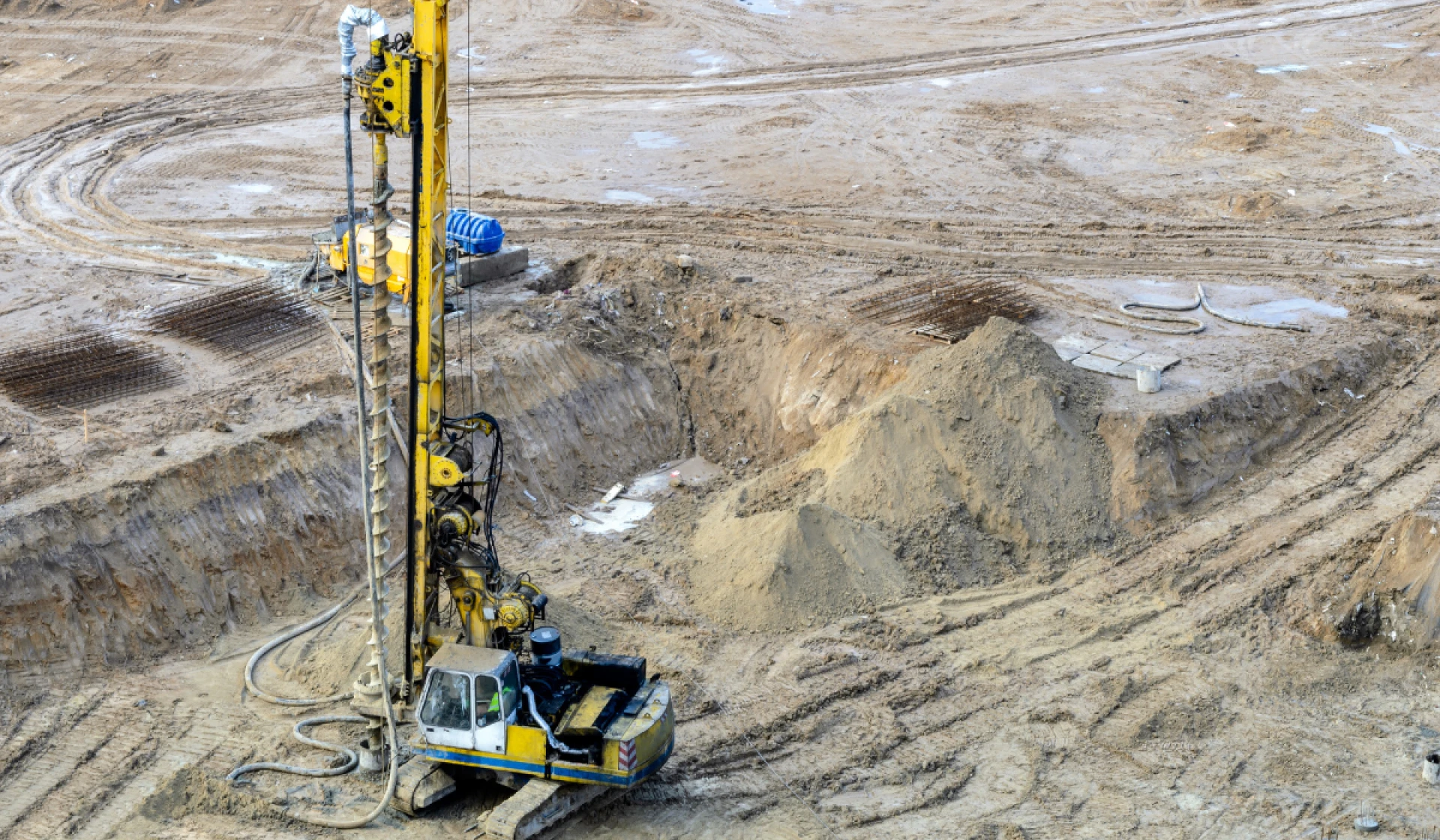
Drilling rigs provide the structural and mechanical systems required to operate drilling tools effectively. They include power systems, hoisting systems, rotary tables, and control units.
Types of Drilling Rigs with Applications
Different drilling rigs are designed for specific terrains and project scales.
- Land drilling rigs – used in construction, mining fields
- Offshore drilling rigs – used in deep-sea oil exploration
- Hydraulic drilling rigs – used in water well drilling, geotechnical projects
- Mobile drilling rigs – used in remote or temporary sites
Each rig type supports different depths, ranging from 50 meters to over 12,000 meters, depending on engineering design.
Key Components of Drilling Rigs
Drilling rigs integrate multiple systems for controlled drilling operations.
- Power unit (diesel engine or electric motor)
- Rotary system (top drive or rotary table)
- Mud circulation system
- Hoisting mechanism
Efficient rigs maintain consistent torque, stable rotation, and optimized pressure control.
Drill Collar Role in Weight and Stability Control
A drill collar adds weight to the drill string and stabilizes the drilling process. It is a thick-walled tubular component made from high-strength steel.
Drill Collar Functions Explained
Drill collar ensures vertical alignment and reduces vibration during drilling.
- Applies downward force (Weight on Bit - WOB)
- Maintains directional stability
- Minimizes bending and deviation
The average drill collar weight ranges between 150 kg and 500 kg per unit, depending on diameter and length.
Drill Collar Material and Design
Drill collar materials include alloy steel grades with high tensile strength.
Examples include:
- AISI 4145H modified steel
- Non-magnetic drill collars for directional drilling
Precision machining ensures balanced rotation and reduced fatigue stress.
Drill Rods Connection and Torque Transmission
Drill rods connect the drilling system and transmit torque from the rig to the drill bit. These rods form the drill string and enable deep penetration.
Types of Drill Rods with Examples
Different drill rods are used based on drilling methods and soil conditions.
- DTH drill rods (Down-the-Hole) – used in mining, quarry drilling
- Threaded drill rods – used in geotechnical and exploration drilling
- Integral drill rods – used in small-scale operations
Each rod type is engineered for thread strength, corrosion resistance, and load-bearing capacity.
Drill Rod Specifications
Drill rods are defined by diameter, length, and thread type.
- Diameter: 50 mm to 200 mm
- Length: 1 meter to 9 meters
- Thread types: API, IF, REG
Proper thread design ensures secure connections and prevents operational failure.
Integration of Drill Bit, Collar, Rods, and Rigs
Drilling systems operate efficiently when all components are technically compatible. The integration ensures optimized energy transfer and reduced mechanical loss.
System Workflow in Drilling Operations
The drilling process follows a structured mechanical sequence.
- Drilling rig generates rotational force
- Drill rods transmit torque downward
- Drill collar applies weight and stabilizes
- Drill bit cuts or crushes material
This sequence maintains consistent drilling performance and reduces operational errors.
Industrial Applications Across Sectors
Drilling equipment supports multiple industries with high precision requirements.
Major Industry Applications
Each industry uses drilling systems for specific operational goals.
- Mining – mineral extraction, ore drilling
- Construction – foundation piling, tunnel drilling
- Oil and gas – exploration, production wells
- Water projects – boreholes, irrigation wells
For example, mining operations use DTH systems for hard rock penetration exceeding 300 MPa compressive strength.
Quality Standards and Manufacturing Precision
High-quality drilling tools meet international manufacturing standards. These include ISO certifications, API standards, and advanced testing protocols.
Quality Control Measures
Manufacturers use strict testing methods to ensure durability and safety.
- Ultrasonic testing for internal flaws
- Hardness testing (Rockwell scale)
- Thread inspection for precision fit
Precision manufacturing reduces failure rates and increases operational lifespan.
SHSTRONGMAC Expertise in Drilling Equipment
SHSTRONGMAC delivers advanced drilling equipment with high engineering standards. The company integrates research-driven innovation with industrial-grade manufacturing.
Their expertise includes:
- Development of high-efficiency drill bits with enhanced cutting structures
- Production of durable drill rods with optimized thread design
- Manufacturing of drill collars with precision balancing
- Supply of advanced drilling rigs for global industries
Sh strong mac supports industries across Asia, Africa, Europe, the USA, Canada, and Australia by delivering reliable turnkey solutions.
Customer Testimonials from Industrial Buyers
Industrial users report measurable performance improvements using high-quality drilling equipment.
“Drilling efficiency increased by 40% after upgrading to advanced drill bits and rods. Downtime has been reduced significantly.”
“The durability of drill collars improved stability in deep drilling operations beyond 2000 meters.”
“Reliable drilling rigs helped maintain consistent output in challenging geological conditions.”
These testimonials reflect performance improvements across multiple operational parameters.
Benefits of Using Advanced Drilling Components
Modern drilling components increase efficiency, reduce costs, and improve safety.
Key Advantages
- Higher penetration rates reduce project timelines
- Strong materials extend tool lifespan
- Precision engineering ensures accurate drilling
- Reduced vibration improves operational safety
Organizations adopting advanced systems report up to 25% reduction in maintenance costs.
How to Choose the Right Drilling Equipment
Selecting the correct drilling components ensures optimal performance and cost efficiency.
Selection Criteria
Buyers evaluate technical specifications and operational requirements before purchase.
- Material type (rock, soil, mixed formations)
- Required drilling depth
- Torque and pressure requirements
- Environmental conditions (temperature, moisture)
Matching these factors ensures compatibility and long-term reliability.
Future Trends in Drilling Technology
Drilling technology evolves with automation, AI integration, and advanced materials.
Emerging Innovations
New technologies improve accuracy and efficiency in drilling operations.
- Smart drilling rigs with automated controls
- AI-based predictive maintenance systems
- High-performance composite drill rods
- Energy-efficient hydraulic systems
These innovations reduce operational risks and enhance productivity.
Optimized Drilling Systems Deliver Measurable Results
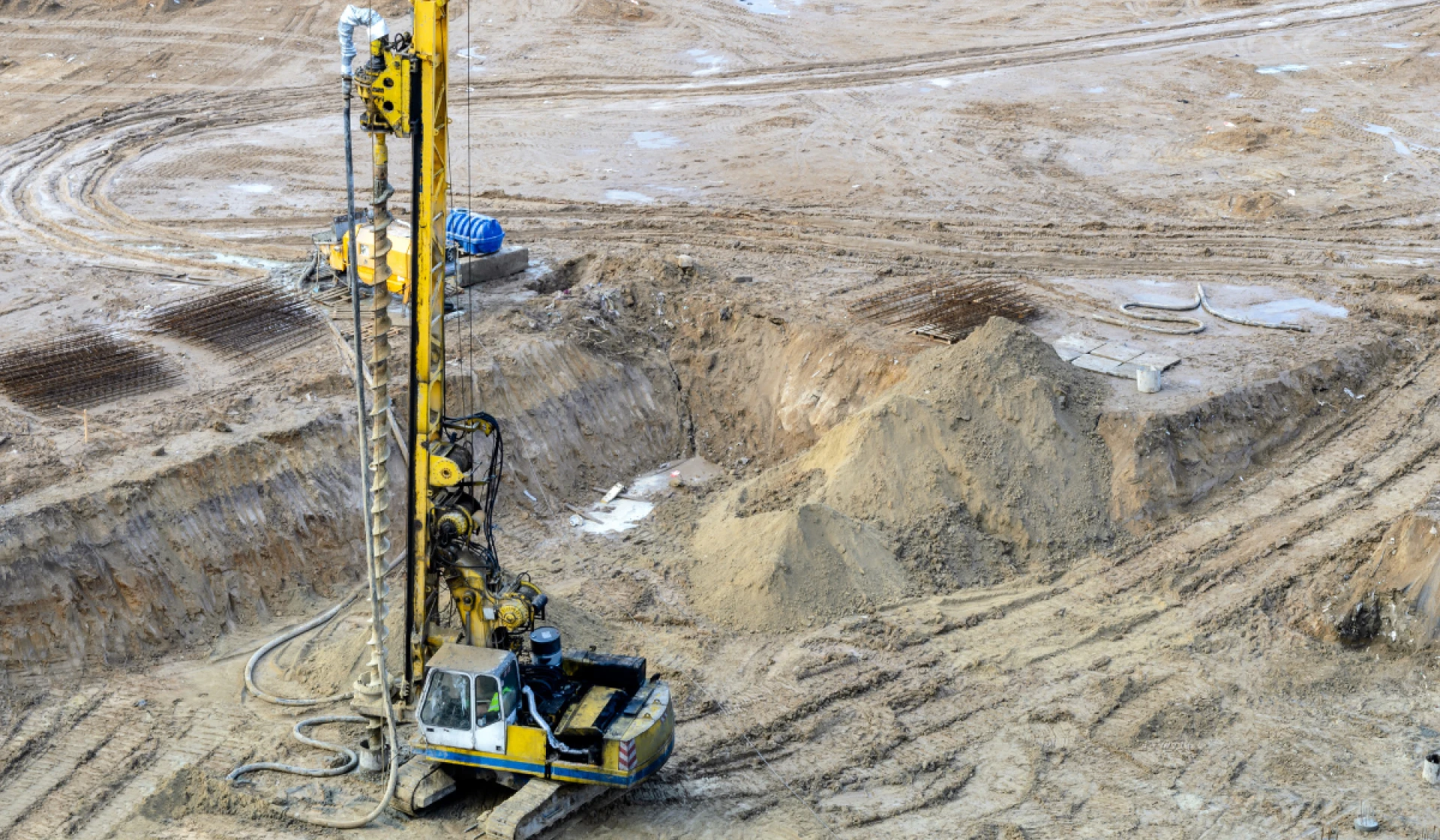
Drill bit, drilling rigs, drill collar, and drill rods collectively define drilling efficiency and accuracy. High-quality components ensure durability, reduce downtime, and improve productivity across industries.
Advanced manufacturing, precise engineering, and system integration remain essential for achieving consistent drilling performance in modern industrial operations.
FAQ Section
What is a drill bit used for in industrial drilling?
A drill bit is used to cut or crush materials to create holes in rock, soil, or concrete. It determines drilling speed, accuracy, and efficiency.
How do drilling rigs improve operational efficiency?
Drilling rigs provide controlled power, rotation, and pressure for consistent drilling performance. They ensure stability and precision in complex environments.
Why is a drill collar important in drilling systems?
A drill collar adds weight and stability to the drill string. It maintains vertical alignment and improves drilling accuracy.
How do drill rods transmit power in drilling operations?
Drill rods transfer rotational force and torque from the drilling rig to the drill bit. They enable deep penetration and maintain structural continuity.
What factors affect drill bit lifespan?
Drill bit lifespan depends on material hardness, operating conditions, and cutting structure quality. Proper maintenance and correct selection extend usage duration.
How to select the right drilling equipment for a project?
Selecting drilling equipment requires analyzing material type, depth, torque requirements, and environmental conditions. Accurate selection improves efficiency and reduces costs.