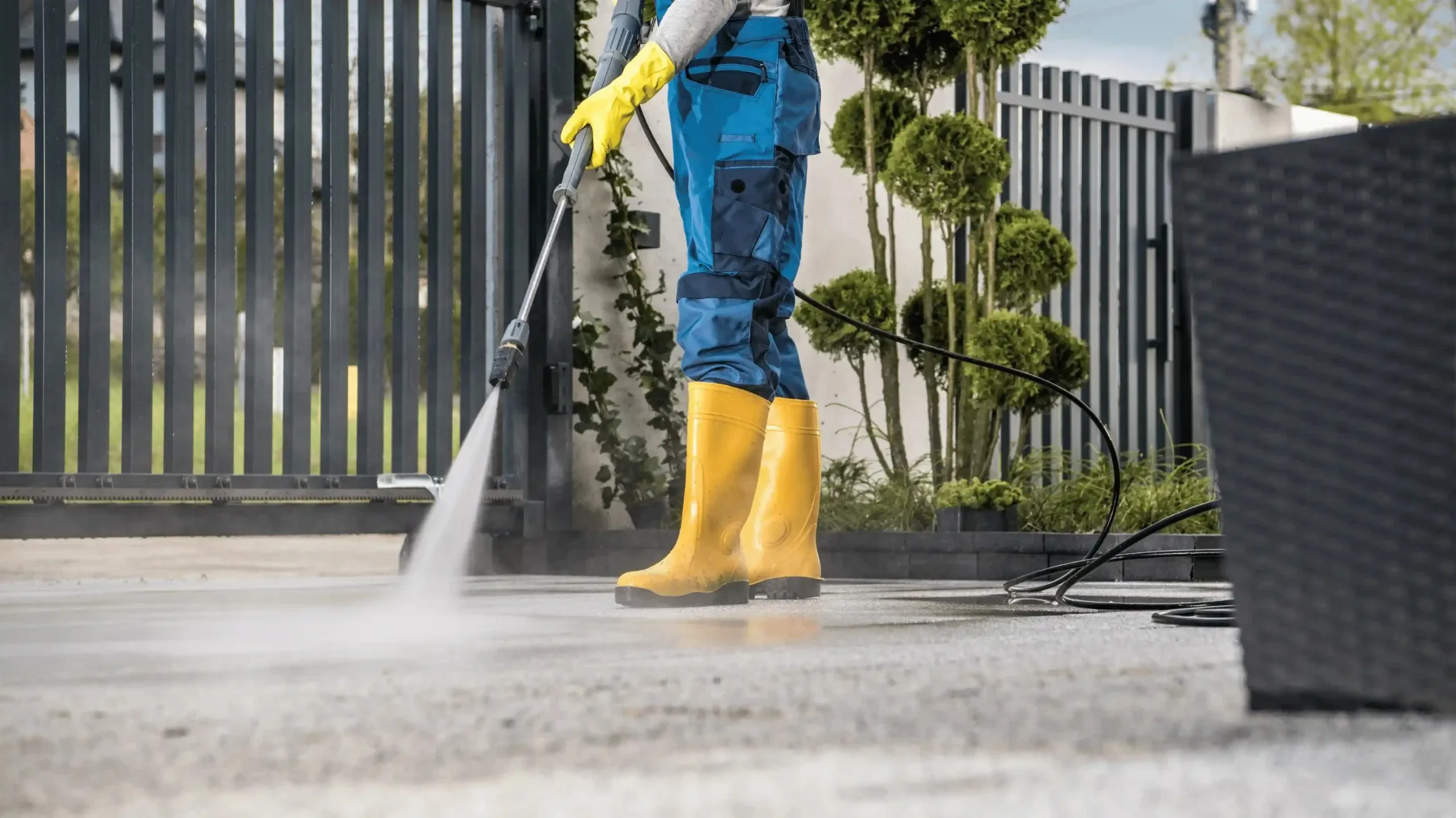
Homeowners often face a simple decision when their pavement starts looking dull: rent equipment and handle it personally, or call in trained professionals. Understanding the real differences between these two approaches can save both time and money, and it starts with knowing what driveway pressure washing actually involves compared to a weekend DIY attempt.
On the surface, both options seem similar. Water, pressure, and a bit of elbow grease should get the job done, right? In reality, the outcome often depends heavily on equipment quality, technique, and experience, three factors that separate a streaky, uneven result from a smooth, uniform finish.
Equipment Differences That Matter
Rental machines are typically consumer grade, offering limited pressure control and inconsistent flow. Professional grade equipment, on the other hand, allows technicians to adjust pressure precisely based on surface type, whether that is concrete, pavers, or asphalt. This flexibility is a major reason results tend to look noticeably better after expert service.
Consider these equipment related differences:
- Rental units often have fixed or limited pressure settings
- Professional machines allow fine tuned adjustments per surface
- Commercial nozzles distribute water more evenly across wide areas
- Hot water systems, common in professional setups, break down oil stains faster
- Backup equipment ensures the job finishes even if something malfunctions
These gaps in capability explain why DIY driveways sometimes look patchy immediately after cleaning, with visible lines where pressure overlapped unevenly.
Technique and Experience
Even with excellent equipment, technique plays a huge role. Trained technicians know the correct distance to hold the nozzle from the surface, the right angle to prevent gouging, and how long to dwell on particularly stubborn stains without damaging the material underneath. This knowledge typically comes from years of hands on work, not a quick online tutorial.
Because of this experience gap, professional pressure washing consistently produces more even, longer lasting results. Technicians also recognize which areas need pretreatment, such as oil stains near a garage entrance, versus sections that only require a standard rinse.
Safety Considerations
Pressure washers, especially at higher settings, can cause injury if mishandled. Kickback, slippery surfaces during cleaning, and accidental contact with skin are all real risks for inexperienced users. Professionals are trained to work safely around these hazards, reducing the chance of accidents during the job.
There is also the risk of property damage. Excessive pressure can etch concrete, strip paint, or splinter wood, none of which are cheap mistakes to fix. A professional team carries the knowledge, and often insurance, to prevent and address these situations properly.
Cost Comparison Over Time
At first glance, DIY seems cheaper since you only pay for a rental fee. However, when factoring in wasted time, potential equipment damage, and the likelihood of needing a repeat cleaning sooner due to uneven results, the long term value often favors hiring experienced technicians instead.
Here is a simple breakdown to consider:
- Rental cost plus your personal time investment
- Risk of surface damage requiring repair
- Lower quality, shorter lasting results
- Potential for injury without proper training
- Need for more frequent repeat cleanings
When these factors are added together, professional service frequently ends up being the smarter financial choice, not just the more convenient one.
Environmental Responsibility
Another overlooked factor is environmental impact. Many professional companies use eco friendly cleaning solutions designed to break down safely without harming nearby soil, plants, or waterways. DIY cleaners may use generic products without understanding their environmental effects, which can unintentionally cause harm to landscaping or local drainage systems.
Responsible companies also understand local water regulations regarding runoff, something the average homeowner rarely considers before starting a project on their own.
Making the Right Decision
For small, simple touch ups, a light DIY cleaning might be sufficient. However, for driveways with deep set stains, large surface areas, or delicate materials, professional service is almost always the better route. The combination of proper equipment, trained technique, and safety knowledge simply cannot be matched by a rented machine and a free afternoon.
Locally owned, detail oriented companies also tend to offer free estimates, allowing homeowners to compare costs before committing. This transparency removes much of the guesswork involved in deciding whether professional help is worth the investment.
Final Thoughts
While DIY cleaning might seem appealing for its lower upfront cost, the long term value of professional service is difficult to ignore. Better equipment, safer techniques, and more consistent results all point toward hiring experienced technicians for anything beyond a light surface rinse. When your driveway truly needs restoring, trusting trained professionals is almost always the smarter path forward.