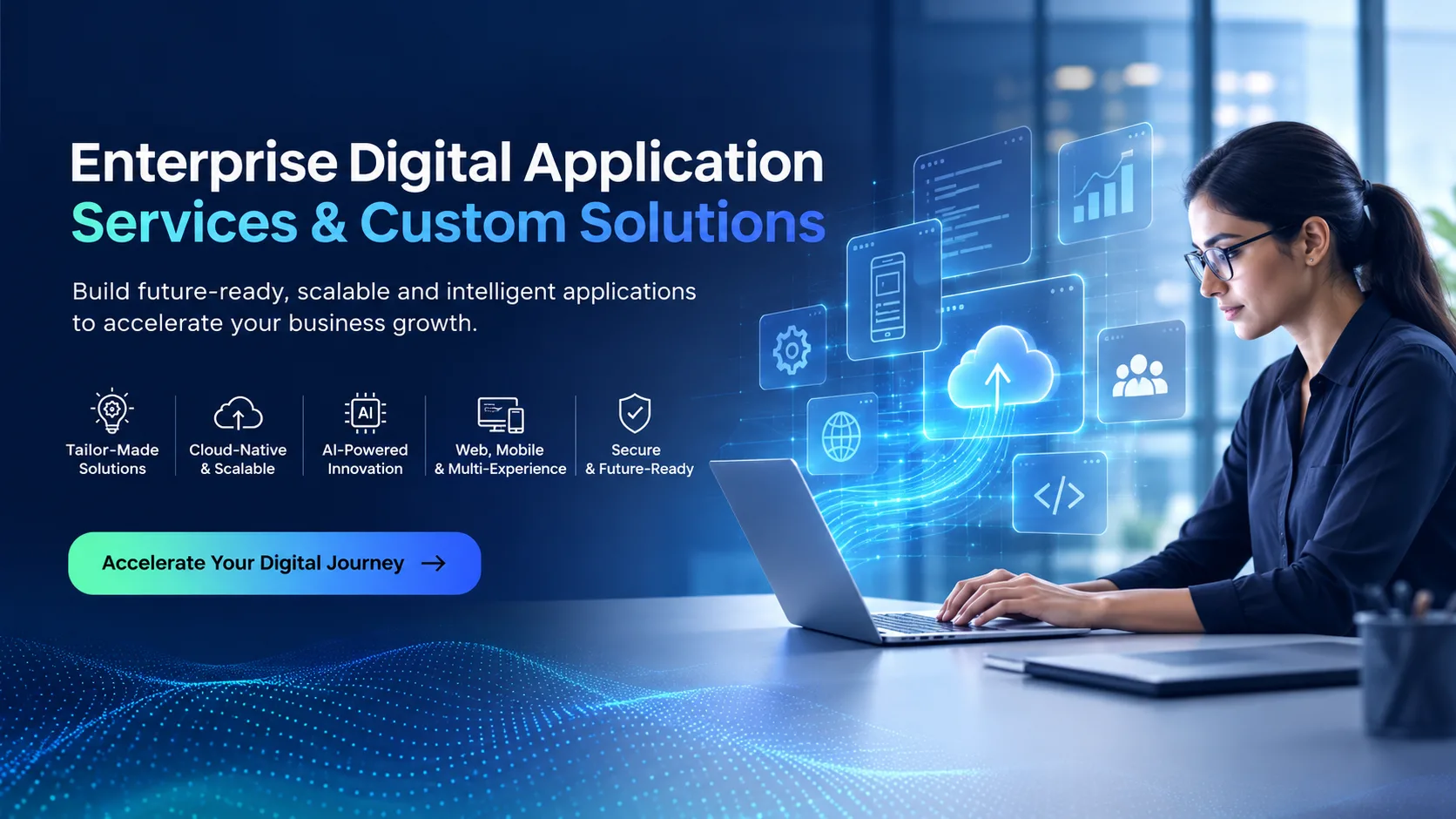
In an era defined by rapid market shifts and evolving customer expectations, digital software serves as the primary backbone of business operations. Reliance on legacy systems or rigid off-the-shelf software can limit operational agility and hinder user engagement. Modern business environments require tailored digital application development strategies built on scalable cloud infrastructure, high-performance user interfaces, and seamless system integrations.
Engaging professional digital application services enables organizations to convert complex technical requirements into intuitive, reliable, and scalable software solutions.
1. The Strategic Necessity of Custom Digital Application Engineering
Off-the-shelf software applications often force businesses into rigid operational models, resulting in integration bottlenecks, high licensing costs, and limited long-term scalability. Custom software engineering designs applications around unique business logic, compliance standards, and strategic growth plans.
Key Drivers for Enterprise Digital Applications
- User-Centric Experience (UX) Design: Building accessible, intuitive, and high-performance user interfaces tailored specifically to brand workflows and user needs.
- Robust Security & Governance: Integrating end-to-end encryption, role-based access control (RBAC), and regulatory compliance directly into application architectures.
- Ecosystem Interoperability: Designing open API architectures that integrate smoothly with core enterprise platforms, including ERPs, CRMs, and third-party data services.
2. Core Delivery Areas in Digital Application Services
Comprehensive digital application services cover the full software delivery lifecycle, turning abstract business concepts into production-grade enterprise platforms.
Core Delivery Areas
- Custom Web Application Development: Building progressive web applications (PWAs) and single-page applications (SPAs) using modern web technologies to deliver responsive web experiences.
- Enterprise Mobile Engineering: Developing native and cross-platform mobile applications for iOS and Android to empower distributed teams and improve customer touchpoints.
- Legacy System Modernization: Refactoring monolithic, legacy codebases into cloud-native microservices hosted on modern cloud environments (AWS, Azure, GCP).
3. Engineering Excellence: Speed, Scale, and Reliability
Delivering sustainable digital application development outcomes requires combining modern software architectures with disciplined engineering practices:
- Agile & DevSecOps Workflows: Incorporating automated testing and continuous integration and deployment (CI/CD) pipelines to maintain fast, secure release cadences.
- Microservices Architecture: Structuring platforms as independent services that can be updated or scaled individually without risking global downtime.
- Quality & Performance Engineering: Applying automated testing frameworks to identify issues early, optimize performance, and protect the end-user experience.
Final Words
Building next-generation digital platforms requires balancing strategic vision, user-focused design, and sound technical architecture. Partnering with experienced providers of digital application services helps your organization modernize operations, launch scalable digital products, and maintain market competitiveness. Discover how our engineering capabilities can elevate your software products.
👉 Explore our full capabilities on our digital application services page.