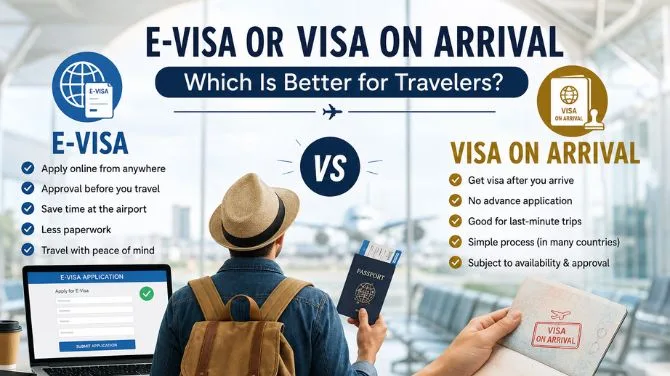
Planning an international trip is exciting, but understanding visa requirements can sometimes feel overwhelming. With many countries simplifying entry procedures, travelers now have more convenient options than ever before. Two of the most common choices are the E-Visa and Visa on Arrival.
While both allow visitors to enter a foreign country legally, they work differently and offer distinct advantages. Knowing which option suits your travel plans can save time, reduce stress, and help you avoid unexpected issues during your journey.
The Rise of Digital Travel Documents
Over the past few years, governments worldwide have embraced digital solutions to make international travel more accessible. The E-Visa system is one of the biggest changes in modern travel, allowing visitors to complete the visa process online before leaving home.
Instead of visiting an embassy or waiting in long queues, travelers can simply Apply for E-Visa services through official government portals or authorized visa assistance providers.
For business travelers, tourists, and families, this digital approach often means a smoother start to their trip.
Why Many Travelers Prefer an E-Visa
One of the biggest benefits of an E-Visa is certainty. Since approval is usually received before departure, travelers know whether they meet the entry requirements before booking final travel arrangements.
Other advantages include:
- Online application process
- Reduced paperwork
- Faster approvals in many cases
- Easy access from anywhere in the world
- Less waiting time at immigration checkpoints
However, travelers should always check the expected e-visa processing time for their destination. Some countries issue approvals within days, while others may require additional review periods.
Submitting an application well in advance remains the best practice.
When Visa on Arrival Can Be a Good Choice
Not every traveler plans months ahead. Sometimes opportunities arise unexpectedly, and that's where a Visa on Arrival can be useful.
With this option, eligible travelers receive their visa after arriving at the destination airport or border crossing. The process is generally straightforward, provided all required documents are available.
Visa on Arrival may be suitable for:
- Last-minute vacations
- Short business visits
- Travelers visiting countries with simplified entry policies
- Visitors who qualify under specific nationality requirements
That said, approval is still subject to immigration checks, and waiting times can vary depending on airport traffic and local procedures.
Comparing Convenience, Flexibility, and Peace of Mind
When choosing between an E-Visa and Visa on Arrival, most travelers focus on three factors: convenience, flexibility, and confidence.
An E-Visa offers greater predictability because approval is obtained before travel. This reduces uncertainty and helps travelers feel prepared before boarding their flight.
Visa on Arrival, on the other hand, offers flexibility for those who prefer spontaneous travel plans. However, it may involve additional waiting time and documentation checks upon arrival.
For travelers who value preparation and efficiency, an E-Visa is often the preferred choice.
E-Visa vs Visa on Arrival: Key Differences
FeatureE-VisaVisa on ArrivalApplication ProcessOnline before travelAt destination airport/borderApprovalReceived before departureIssued upon arrivalTravel CertaintyHigherDepends on arrival checksProcessing TimeVaries by countryImmediate but may involve waitingConvenienceHighModerate
Understanding Country-Specific Requirements
Visa regulations vary significantly from one destination to another. For example, travelers researching visa egypte requirements may discover different entry options depending on their nationality, travel purpose, and length of stay.
Because immigration policies change periodically, it is always wise to verify the latest requirements before booking flights or accommodation. Even destinations that offer Visa on Arrival may introduce new eligibility conditions or digital pre-registration systems.
Staying informed helps prevent travel disruptions and ensures a smoother experience from departure to arrival.
Making the Right Choice for Your Next Trip
There is no universal answer when it comes to choosing between an E-Visa and Visa on Arrival. The right option depends on your destination, travel schedule, and personal preferences.
If you prefer planning ahead and receiving approval before departure, an E-Visa is often the better solution. If flexibility is your priority and your destination supports it, Visa on Arrival can be a convenient alternative.
Before making a decision, take time to understand the entry requirements and available visa options for your destination.
Whether you're planning a holiday, business trip, or international adventure, reliable Global Visa Services can help you navigate visa requirements and make the application process easier.