Women’s health problems are increasing due to stress, lifestyle changes, and hormonal imbalance. Many women ignore early symptoms until the condition becomes serious. If you are looking for the Best Multispecialty Hospital in Gurgaon, it is important to understand the early signs of PCOS so you can take treatment at the right time and avoid long-term complications.
Polycystic Ovary Syndrome (PCOS) is one of the most common hormonal disorders affecting women today. It mainly affects women of reproductive age and can lead to irregular periods, weight gain, acne, and fertility problems. The biggest problem is that most women do not recognize the symptoms early. When they finally visit a doctor, the condition has already progressed.
This article explains the early signs of PCOS, its causes, risk factors, and when you should consult a doctor. Knowing these symptoms early can help you take better care of your reproductive health and prevent future complications.
What is PCOS and Why Should Women Know About It
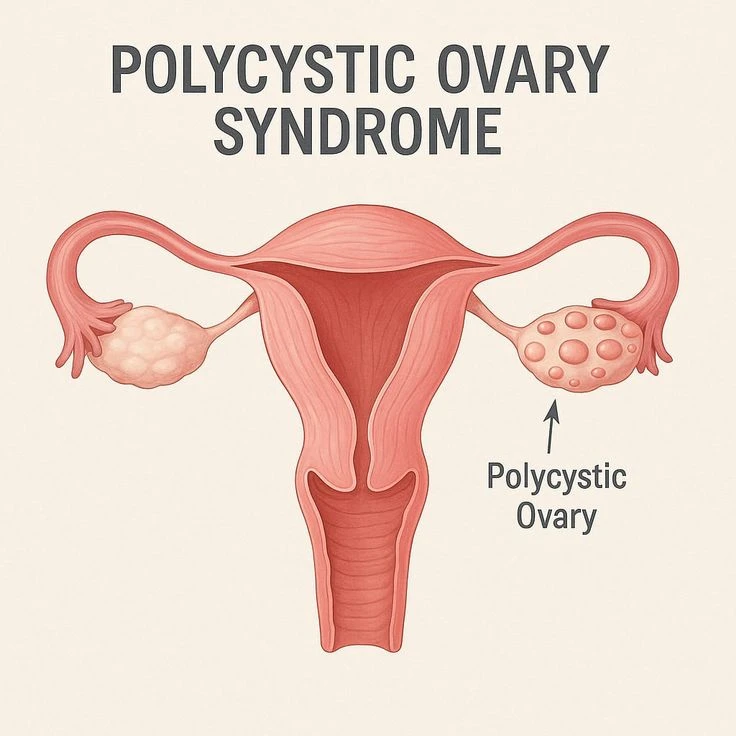
PCOS is a hormonal disorder in which the ovaries produce higher levels of male hormones than normal. These hormones affect ovulation and cause irregular menstrual cycles. In a normal cycle, the ovaries release an egg every month. However, in women with PCOS, the egg may not develop properly or may not be released at all.
Because of this, small fluid-filled sacs called cysts may form in the ovaries. PCOS not only affects menstrual health but also increases the risk of diabetes, thyroid problems, weight gain, and heart disease if it is not treated on time. That is why awareness about the early signs is extremely important for every woman.
Why PCOS is Becoming More Common in Young Women
In recent years, PCOS has become very common, especially among young girls and working women. The main reasons are unhealthy eating habits, lack of physical activity, stress, and poor sleep. Many women consume fast food regularly and spend long hours sitting at work, which affects hormone balance.
Mental stress also plays a big role in hormonal imbalance. When stress levels increase, the body produces hormones that affect the menstrual cycle. If the symptoms are identified early, PCOS can be managed easily with proper treatment and lifestyle changes.
Early Signs of PCOS Every Woman Should Know
Recognizing the early symptoms can help women take action before the condition becomes serious. Here are some common early signs of PCOS.
Irregular Periods
Irregular periods are one of the most common signs of PCOS. If your periods are delayed, missed, or very light for several months, it may be due to hormonal imbalance. Some women also experience very heavy bleeding.
If your menstrual cycle is not regular for more than three months, you should consult Gynecologist doctors Gurgaon for proper diagnosis and treatment.
Sudden Weight Gain
Many women with PCOS gain weight quickly, especially around the stomach area. Even with a normal diet, weight may continue to increase because of hormonal imbalance and insulin resistance.
If you notice sudden weight gain without any clear reason, it may be an early warning sign that should not be ignored.
Excess Hair Growth
Another early sign of PCOS is unwanted hair growth on the face, chin, chest, or stomach. This happens because the body produces higher levels of male hormones. The hair may become thicker and darker than usual.
If you notice such changes, it is better to consult a specialist instead of ignoring the problem. Early treatment can help control these symptoms.
Severe Acne and Oily Skin
Hormonal imbalance also affects the skin. Women with PCOS often experience severe acne that does not improve with normal skincare treatments. Acne may appear on the face, back, and shoulders.
If acne becomes frequent and persistent, it may be a sign that your hormones are not balanced.
Hair Thinning or Hair Fall
While some women experience excess hair growth, others may notice hair thinning on the scalp. Hair fall becomes more frequent, and the hair may look weak and dry.
This symptom is often ignored, but it can be an early sign of PCOS. If hair fall continues for a long time, it is important to consult a doctor.
Difficulty in Getting Pregnant
PCOS affects ovulation, which makes it difficult for women to conceive naturally. Many women discover they have PCOS only when they start planning pregnancy.
If you have been trying to conceive for a long time without success, you should get a proper medical checkup. Early diagnosis can improve fertility with the right treatment.
Mood Swings and Stress
Hormonal imbalance does not only affect the body but also impacts mental health. Women with PCOS may experience mood swings, stress, anxiety, and emotional changes.
If you feel emotional without any clear reason and this happens frequently, it may be related to hormonal imbalance.
Dark Patches on the Skin
Some women with PCOS develop dark patches on the neck, underarms, or inner thighs. This is usually related to insulin resistance and is an important early warning sign.
If you notice sudden darkening of skin areas, it is better not to ignore it and consult a doctor.
Causes of PCOS
The exact cause of PCOS is not completely known, but several factors may increase the risk. Hormonal imbalance is the main reason, especially higher levels of male hormones in the body. Insulin resistance is another major factor that increases blood sugar levels and affects hormone balance.
Genetics also plays an important role. If your mother or sister has PCOS, your chances of developing the condition are higher. Unhealthy lifestyle habits such as poor diet, lack of exercise, stress, and irregular sleep can also increase the risk.
How PCOS Affects Women’s Health
If PCOS is not treated on time, it can lead to serious health problems such as infertility, type 2 diabetes, obesity, thyroid problems, high blood pressure, and heart disease. It can also affect mental health and lead to anxiety or depression.
This is why early diagnosis is very important. The earlier the condition is detected, the easier it becomes to manage.
When Should You Visit a Doctor
Many women ignore the symptoms of PCOS because they think irregular periods and acne are normal. However, you should consult a doctor if you notice missed periods for more than two to three months, sudden weight gain, severe acne, excess hair growth, or hair fall.
You should also consult a doctor if you are trying to conceive and are unable to get pregnant. Early consultation can prevent complications and improve overall health.
Diagnosis of PCOS
Doctors usually diagnose PCOS through medical history, physical examination, blood tests, and ultrasound. Blood tests help check hormone levels, while ultrasound helps examine the ovaries.
These tests help doctors understand the condition properly and provide the right treatment.
Treatment Options for PCOS
PCOS cannot always be completely cured, but it can be managed effectively. Doctors usually recommend lifestyle changes such as a healthy diet, regular exercise, and proper sleep. Medicines may also be prescribed to regulate periods and balance hormones.
Weight management plays a very important role in controlling PCOS symptoms. Even a small reduction in weight can make a big difference.
Diet Tips for Women with PCOS
A healthy diet can help control PCOS symptoms. Women should eat fresh fruits and vegetables, whole grains, and protein-rich foods. Junk food, sugary drinks, and processed foods should be avoided as much as possible.
Drinking enough water and maintaining a balanced diet can help improve hormone balance and overall health.
Importance of Regular Gynecological Checkups
Regular checkups help detect health problems at an early stage. Many women visit a doctor only when the problem becomes serious, but early consultation can prevent complications.
Regular health checkups help monitor menstrual health, hormone levels, and fertility issues. Early treatment always gives better results.
Final Thoughts
PCOS is a common health condition, but it can be managed with early diagnosis and proper treatment. Women should not ignore symptoms such as irregular periods, weight gain, acne, hair fall, or mood swings. Understanding the early signs can help you take action at the right time.
Taking care of your health today can protect you from serious problems in the future. Awareness, healthy lifestyle habits, and regular medical checkups are the best ways to manage PCOS and maintain a healthy life.