In the ever-evolving world of artificial intelligence, the convergence of Edge AI and computer vision is redefining how machines see, interpret, and respond to the physical world. As organizations seek faster, real-time insights from images and video, moving AI processing closer to the data source—at the “edge”—is proving to be a game-changer.
But how exactly does Edge AI enhance computer vision? And what does this mean for industries ranging from manufacturing to retail to healthcare?
Let’s explore.
The Shift from Cloud to Edge
Traditionally, computer vision models have relied on cloud computing to process images and videos. While powerful, cloud-based systems introduce latency due to data transmission and face limitations in environments where bandwidth is constrained or privacy is a concern.
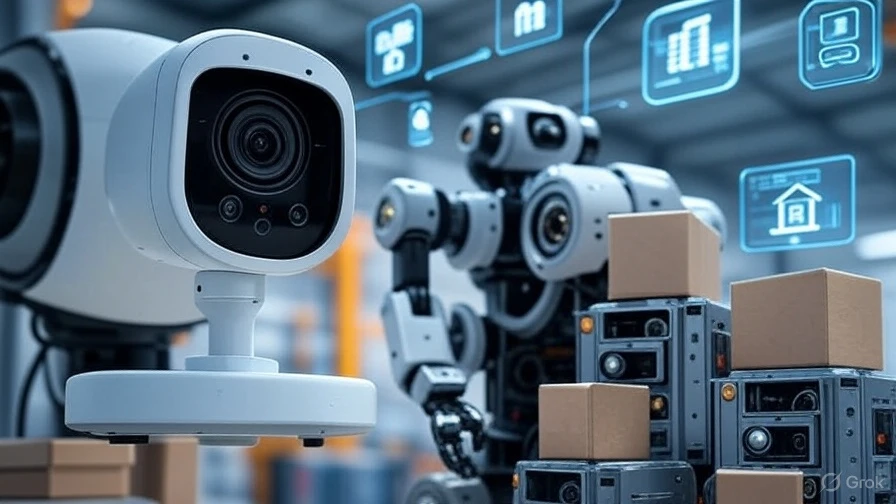
Edge AI solves this by embedding intelligence directly into local devices—like cameras, sensors, smartphones, and embedded chips—so they can run AI models without needing to send data to the cloud. This localized decision-making opens up new levels of speed, efficiency, and security.
Real-Time Performance with Lower Latency
One of the biggest limitations of cloud-based vision systems is latency. In time-sensitive use cases—such as autonomous vehicles, real-time surveillance, or industrial robotics—milliseconds matter.
By running inference on-device, Edge AI enables real-time processing, making it ideal for:
- Detecting defects on production lines
- Tracking objects in motion
- Performing instant facial recognition
- Monitoring patient behavior in hospitals
These applications benefit tremendously from the faster response times and reduced dependence on internet connectivity.
Enabling Smarter Devices with Lower Power Usage
Edge devices are often deployed in environments where power is limited—like remote cameras or wearable sensors. Edge AI models are typically optimized for performance and efficiency, consuming significantly less energy than full-scale cloud servers.
This allows organizations to scale AI applications with low operational costs while maintaining high accuracy for tasks like object detection, classification, and anomaly detection.
Privacy and Security Advantages
With data privacy becoming a top priority, especially in industries like healthcare and finance, sending sensitive video or image data to the cloud poses compliance risks.
Edge AI allows for on-device data processing, meaning that sensitive visual information doesn’t have to leave the local device. This makes it easier to comply with data regulations (like HIPAA or GDPR) and builds trust among users.
Powering the Next Generation of Computer Vision
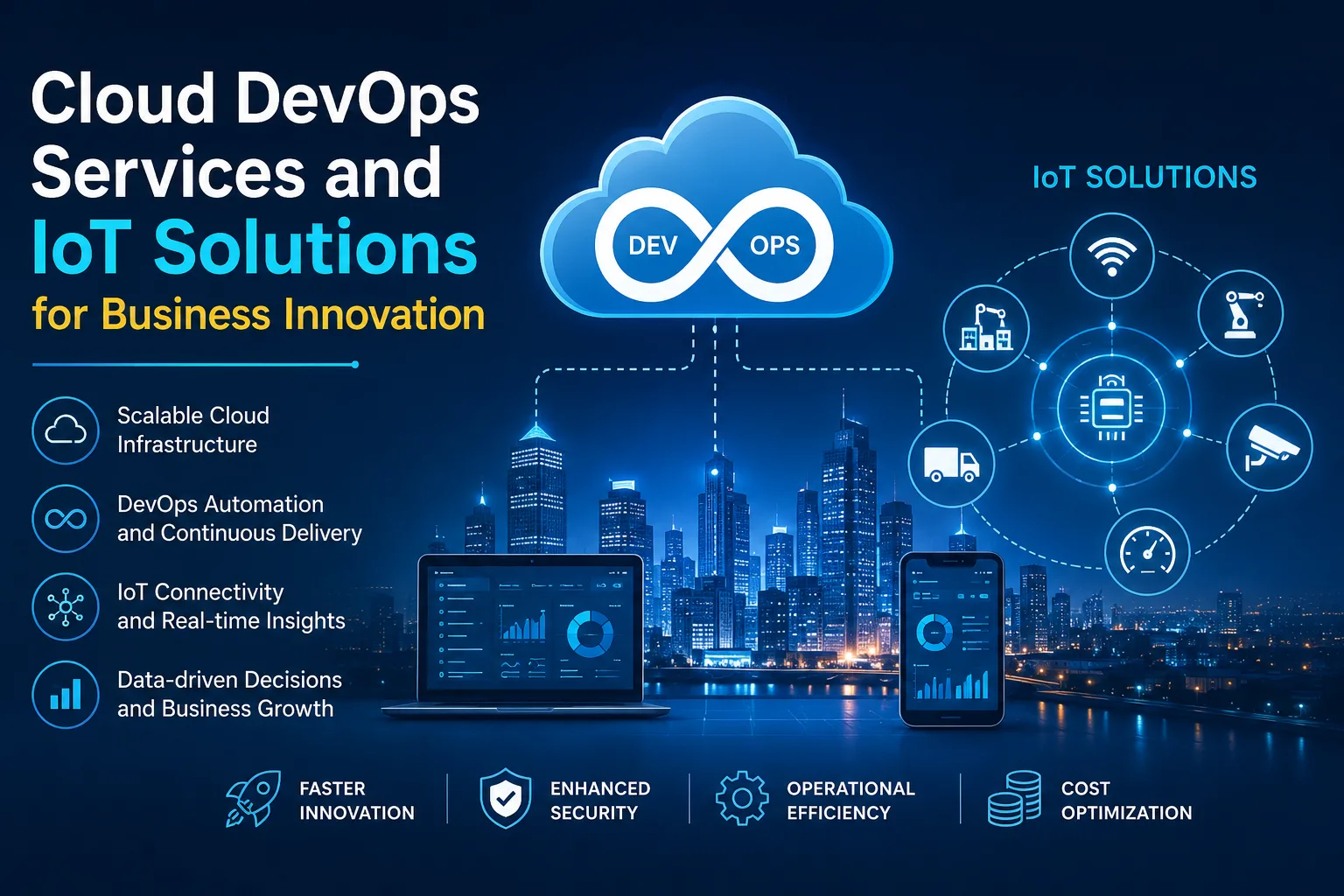
Edge AI is accelerating the deployment of computer vision across edge-enabled IoT ecosystems. From smart cities monitoring traffic patterns to agriculture drones analyzing crops in real time, the potential use cases are expanding rapidly.
At the heart of this transformation lies deep learning for computer vision, a powerful set of techniques that allows AI models to learn from vast amounts of visual data. By integrating deep learning into edge computing devices, developers can build vision systems that not only recognize patterns and anomalies but also continuously learn and improve on the fly.
Whether it's convolutional neural networks (CNNs) running on NVIDIA Jetson boards or lightweight vision transformers on ARM-based processors, the fusion of edge computing and deep learning for computer vision is enabling a new era of smart automation.
Real-World Applications Already in Action
- Smart Retail: Shelf monitoring cameras detect low stock and customer behavior in real-time.
- Manufacturing: Edge-enabled cameras perform quality checks on each product without slowing down production.
- Healthcare: Portable diagnostic tools analyze X-rays or skin conditions on the spot, reducing wait times.
- Agriculture: Vision-enabled drones detect pest infestations and crop health in real time.
Final Thoughts
Edge AI is not just enhancing computer vision—it’s unlocking its full potential. By bringing processing closer to where data is created, businesses can harness the power of deep learning for computer vision in ways that are faster, safer, and more scalable than ever before.
As edge hardware continues to evolve and deep learning models become more efficient, the synergy between Edge AI and computer vision will become foundational to AI-driven innovation across all major sectors.