
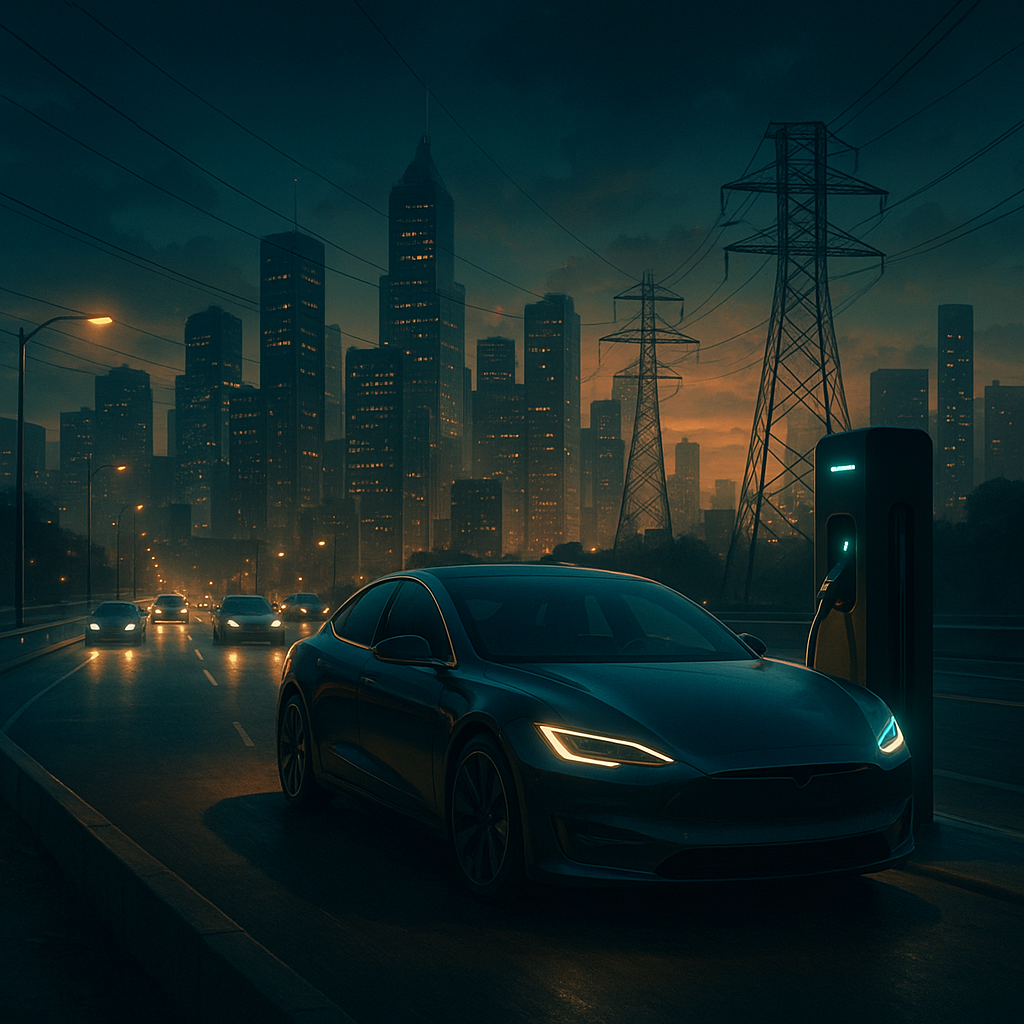
Charging Into the Future: A Surge Unlike Any Before
On a bustling afternoon in downtown San Francisco, a line of sleek electric vehicles (EVs) waits patiently at a newly installed ultra-fast charging station. The scene is emblematic of a global trend that has accelerated dramatically through 2026. According to industry estimates, electric car sales worldwide surpassed 25 million units this year, doubling figures reported just three years prior. This surge reflects a tectonic shift in consumer preferences, policy mandates, and technological advances.
Yet, as EVs become increasingly ubiquitous on roads from Tokyo to Toronto, a critical bottleneck has emerged: the electrical grid. Experts warn that while electric cars promise a cleaner, more sustainable future, the infrastructure needed to support this growth is lagging dangerously behind. This gap threatens to stall progress and raises urgent questions about how the automotive revolution will be powered.
"The pace of electric car adoption is unprecedented, but our grid infrastructure is not evolving at the same speed," states Dr. Helen Ramirez, a leading energy systems analyst. "Without coordinated upgrades, we risk widespread charging bottlenecks and blackouts."
This article investigates the complex dynamics behind the booming electric car market and the pressing challenges facing power grids worldwide. We explore how these forces intertwine, their implications for consumers and policymakers, and what to expect as 2026 progresses.
From Horsepower to Kilowatts: The Evolution of Cars and Energy
The journey from the first gasoline-powered automobiles to the electric vehicles of today spans over a century, marked by innovation, disruption, and shifting energy paradigms. The internal combustion engine (ICE) dominated the 20th century, fueled by abundant oil reserves and an expanding global highway system. However, concerns about climate change, urban air quality, and geopolitical oil dependencies gradually shifted the narrative toward cleaner alternatives.
Early electric cars emerged in the late 19th century but were eclipsed by the ICE’s superior range and fueling infrastructure. The 21st century, however, has seen a renaissance powered by breakthroughs in lithium-ion battery technology, economies of scale, and aggressive government policies incentivizing zero-emission vehicles. The Paris Agreement and subsequent national commitments have accelerated this transition, setting stringent emissions targets that effectively phase out new gasoline and diesel car sales in major markets by the early 2030s.
In 2026, electric cars make up approximately 45% of new vehicle sales globally, with some countries like Norway and the Netherlands exceeding 80% penetration. This rapid uptake owes much to:
- Substantial reductions in battery costs, now averaging $90 per kWh, down from over $1,200 in 2010.
- Expanded charging infrastructure, from home chargers to public fast-charging networks.
- Innovations in vehicle range and performance, rivaling or exceeding ICE cars.
- Government incentives including tax breaks, rebates, and urban access privileges.
However, the underlying energy demands of supporting millions of electric cars have placed unprecedented stress on power grids designed primarily for residential and industrial loads, not mass vehicle charging.
Grid Challenges: Demand Surges and Infrastructure Strains
The electrical grid, a complex network of generation, transmission, and distribution assets, is now confronting a paradigm shift. EV charging adds a new, flexible, but potentially volatile load. Peak demand periods are becoming increasingly unpredictable, driven by the timing and location of vehicle charging.
Several critical issues have surfaced in 2026:
- Peak Load Increases: In cities with high EV adoption, peak electricity demand has increased by up to 30% during early evening hours when many drivers plug in after work.
- Local Distribution Constraints: Neighborhood transformers and substations, often decades old, are being pushed beyond capacity, causing voltage instability and outages.
- Grid Decarbonization Pressure: While EVs reduce tailpipe emissions, the source of electricity remains crucial. Regions still reliant on fossil fuels face a carbon footprint paradox.
- Charging Infrastructure Gaps: The rapid roll-out of fast chargers has outpaced grid upgrades, leading to delays and limited availability in some urban and rural areas.
Utilities have responded with a mixture of short-term fixes and long-term investments. Demand response programs encourage off-peak charging by offering variable electricity pricing. Smart charging technology, integrated with vehicle software, allows utilities to modulate charging rates dynamically to avoid grid stress.
"Smart charging is a critical tool," explains Raj Patel, CTO at GridSync Technologies. "It aligns consumer convenience with grid reliability, optimizing energy flow and reducing infrastructure costs."
Yet, these solutions require significant investment in digital infrastructure, regulatory reforms, and consumer education to reach scale.
2026 Market Movers: Innovations and Industry Shifts
This year, the automotive sector has seen remarkable developments that illustrate both progress and the challenges ahead. Leading manufacturers such as Tesla, Hyundai, Volkswagen, and startup Rivian have unveiled new models boasting longer ranges (up to 600 miles), faster charging capabilities (up to 500 kW), and advanced driver-assistance systems. These innovations enhance EV appeal and push competitors to innovate.
Meanwhile, battery technology continues to improve. Solid-state batteries, once a distant prospect, have entered limited production, offering higher energy density, faster charging, and greater safety. However, supply chain issues for critical raw materials like lithium, cobalt, and nickel persist. Recycling initiatives have expanded but have yet to match the rapid growth in battery production.
On the grid side, utilities in Europe and North America are investing billions into upgrading transmission lines, modernizing substations, and deploying grid-scale energy storage to buffer demand fluctuations. Renewable energy integration is also rising, with solar and wind accounting for nearly 40% of electricity generation in several markets, reducing the carbon footprint of EV charging.
Policy frameworks continue to evolve. Some regions have introduced mandatory grid interconnection standards for chargers, while others incentivize vehicle-to-grid (V2G) technologies, allowing EVs to feed power back into the grid during peak times. These shifts signal a more symbiotic relationship between transportation and energy sectors.
For a broader perspective on the automotive market and its innovations, see Cars in 2026: Innovations, Industry Shifts, and Future Roadmaps and the detailed breakdown in The State of Cars in 2026: Innovation, Sustainability, and Market Dynamics.
Expert Perspectives: Industry Voices on a Transformative Era
Industry leaders and analysts offer varied outlooks on how the automotive and energy sectors will navigate the current challenges. Dr. Ramirez emphasizes, "Collaboration between car manufacturers, utilities, and governments is no longer optional. It’s essential to build resilient, flexible infrastructure that can support future growth."
Automaker executives acknowledge the need for integrated strategies. Tesla’s CTO, during a recent conference, highlighted the company's investment in proprietary charging networks and partnerships with utilities to develop smart grid solutions. Similarly, Hyundai’s CEO outlined plans to expand solid-state battery production while working with energy providers to pilot V2G technology.
"The future of mobility is deeply connected to the future of energy," said Hyundai’s CEO in a keynote address. "Our success depends on seamless synergy between vehicles and the grid."
Energy companies are also embracing innovation. Utilities are experimenting with AI-driven grid management and blockchain platforms to optimize charging payments and energy distribution. Yet, challenges remain, particularly in regulatory alignment across jurisdictions and securing investment for infrastructure upgrades.
Consumer attitudes play a pivotal role. Surveys indicate that while enthusiasm for electric cars remains high, concerns about charging accessibility and grid reliability influence purchase decisions. Addressing these consumer pain points through education and infrastructure development is critical for sustained growth.
What to Watch: The Road Ahead for Cars and the Grid
Looking forward, several key trends and developments will shape the trajectory of electric cars and grid readiness:
- Scaling Smart Charging: Wider adoption of vehicle-to-grid integration and time-of-use pricing will help flatten peak loads and enhance grid stability.
- Grid Modernization: Continued investments in transmission, distribution upgrades, and energy storage will be vital to accommodate growing EV demand.
- Renewables and Decentralization: Increased solar and wind generation, coupled with localized microgrids, will reduce carbon intensity and improve resilience.
- Supply Chain Resilience: Expanding battery recycling and alternative chemistries will alleviate raw material constraints.
- Policy Harmonization: Coordinated regulations across regions will facilitate infrastructure deployment and consumer engagement.
Consumers should expect more integrated services, such as bundled EV charging subscriptions with home energy management and incentives for off-peak charging. Meanwhile, cities and regions that proactively upgrade infrastructure and develop comprehensive EV strategies will lead the transition.
Ultimately, the electrification of transportation is not merely a technological shift but a systemic transformation that links energy, mobility, and sustainability. The challenges of 2026 underscore the complexity of this transition but also the immense opportunities for innovation and collaboration.
"The key to success lies in viewing cars not just as vehicles, but as dynamic energy assets within a broader ecosystem," concludes Dr. Ramirez. "Our collective choices today will determine whether this revolution drives us toward a cleaner, smarter future or stalls under its own weight."
As electric cars continue their rapid ascent, understanding and addressing the intertwined challenges of vehicle demand and grid capacity is crucial. For deeper insights into how electric cars are reshaping energy landscapes, readers can refer to Electric Cars Are Booming — But the Grid Isn't Ready and explore the broader context of electric mobility in 2026 through Why Electric Cars Are Becoming the Only Smart Choice on the Road.