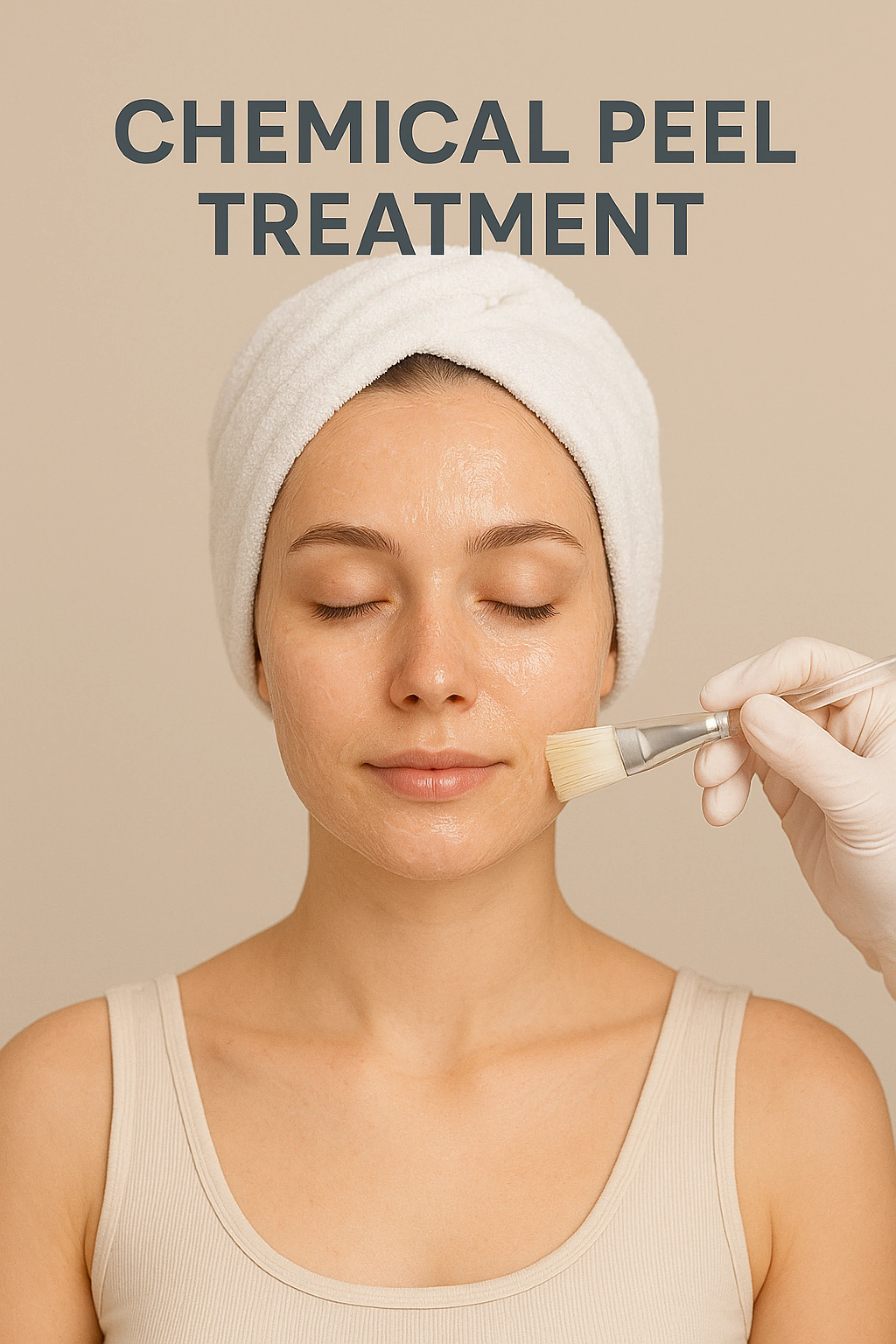
Healthy, glowing skin is something everyone desires, but factors like pollution, stress, hormonal changes, and aging often make it difficult to maintain. This is why more individuals are now opting for chemical peel treatment, a dermatology-approved method that exfoliates, rejuvenates, and refreshes the skin from within. Chemical peels help remove dull, damaged surface layers and promote new cell growth, revealing smoother, brighter, and healthier-looking skin.
Unlike many cosmetic products that only work superficially, chemical peels go deeper to address persistent concerns such as pigmentation, acne scars, uneven texture, and age spots. With professional guidance and the right peel type, anyone can achieve significant improvements in skin clarity and radiance.
Understanding Chemical Peel Treatment
A chemical peel is a controlled exfoliation procedure where a specialized solution is applied to the skin, causing the damaged outer layers to peel off gradually. As new skin regenerates, it becomes visibly clearer, softer, and more youthful.
Peels are available in various strengths depending on individual concerns and skin types—making the treatment extremely versatile and customizable.
Different Categories of Chemical Peels
1. Superficial Peels
These peels target the outermost skin layer and are perfect for beginners or those with mild concerns such as light pigmentation, rough texture, or early signs of aging. They offer minimal downtime and provide an instant glow.
2. Medium Peels
Medium-depth peels penetrate deeper and effectively treat issues like acne scars, uneven skin tone, sunspots, and moderate pigmentation. They offer noticeable results within a few sessions.
3. Deep Peels
Deep chemical peels work on the deeper layers of the skin. They are recommended for severe wrinkles, prominent scars, or advanced pigmentation. Since they offer dramatic results, they require longer downtime and expert supervision.
Common Skin Concerns Treated With Chemical Peels
Chemical peels can successfully address a wide range of skin issues, including:
✔ Sun Damage & Tanning
Years of sun exposure can cause dark spots, tanning, and rough texture. Peels help reverse sun damage and restore natural brightness.
✔ Pigmentation & Melasma
Chemical peels lighten stubborn pigmentation, melasma patches, and uneven complexion.
✔ Acne & Post-Acne Marks
They unclog pores, reduce active acne, and fade acne spots, giving clearer skin.
✔ Fine Lines & Early Aging Signs
By stimulating collagen production, peels help soften fine lines and improve elasticity.
✔ Dull Skin
Dead skin buildup can make your face look lifeless. Peels remove these layers, resulting in an instant youthful glow.
✔ Uneven Skin Tone
Peels even out discoloration and provide a balanced skin tone across the face.
How Chemical Peel Treatment Works
The process starts with cleansing the skin thoroughly to remove makeup, dirt, and oil. The dermatologist then applies a specially formulated chemical solution that begins breaking down damaged layers of the skin.
The solution is left on the skin for a specific duration depending on the type of peel. Post-application, the skin may feel warm or slightly tingly. Over the next few days, the top layer starts peeling gradually, unveiling fresh, new, and healthy skin underneath.
This controlled peeling stimulates:
- Faster cell turnover
- Collagen regeneration
- Removal of pigmentation
- Improvement in texture and tone
What Happens After the Treatment?
After a chemical peel, your skin may appear pink, tight, or mildly sensitive, depending on the peel used. Peeling begins within 2–4 days and can last up to a week.
Post-treatment guidelines include:
- Keeping the skin moisturized
- Applying sunscreen regularly
- Avoiding harsh skincare products
- Not picking or peeling the skin manually
- Avoiding direct sunlight and workouts temporarily
As the skin heals, you will notice a significant improvement in smoothness, clarity, and overall glow.
Benefits of Chemical Peel Treatment
✔ Deep Skin Rejuvenation
Peels penetrate deeper layers to repair damage at the root, offering long-term improvements.
✔ Boosts Skin Radiance
By removing dead skin cells and promoting new growth, peels enhance the skin’s natural brightness.
✔ Safe and Customizable
Every skin type—dry, oily, combination, or sensitive—can benefit from a suitable peel formulation.
✔ Non-Surgical & Quick
The procedure is fast, effective, and requires no major downtime, making it ideal for busy individuals.
✔ Minimizes Pores
Chemical peels refine large pores, making the skin smooth and clean.
✔ Enhances Product Absorption
After a peel, your skincare products penetrate better and work more effectively.
Why Choose a Dermatologist for Chemical Peels?
Unlike over-the-counter exfoliating treatments, professional chemical peels:
- Use medical-grade solutions
- Are customized to your skin’s specific needs
- Provide controlled and safe exfoliation
- Offer quicker, more visible results
- Minimize the risk of irritation or burns
A qualified expert ensures the peel is suited to your skin type and monitors your healing process for the best outcome.
Conclusion
A chemical peel treatment is one of the most effective ways to refresh, renew, and restore your skin’s natural glow. Whether you want to minimize pigmentation, fade scars, or achieve a smoother complexion, chemical peels offer a safe and powerful solution with long-lasting benefits. If you’re looking for expert-guided, result-oriented skin rejuvenation, trust the experienced dermatologists at Divine Hair & Skin Clinic.