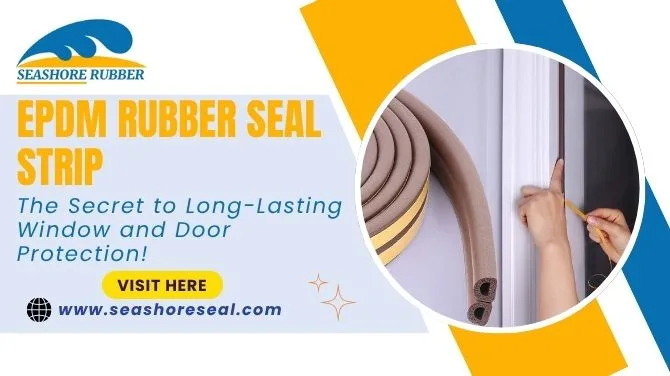
As modern homes and buildings evolve to meet demanding standards of energy efficiency and comfort, one element often gets overlooked: the humble EPDM Rubber Seal Strip. While its presence may seem minor compared to insulation, glass, or hardware, this specialized strip plays a pivotal role in the protection and durability of windows and doors. At Qingdao Seashore Industrial Co., Ltd., we believe understanding the power of a quality EPDM Rubber Seal Strip can make all the difference in the longevity, airtightness, and weather resistance of your installations.
However, not all sealing solutions are created equal. Traditional rubber or foam strips might seem sufficient at first, but over time, factors like sunlight, rain, temperature swings, and even cleaning chemicals can wreak havoc on cheaper materials. This is precisely where the EPDM Rubber Seal Strip stands apart: it’s engineered for endurance, flexibility, and top-tier protection season after season.
What is EPDM Rubber?
EPDM stands for Ethylene Propylene Diene Monomer, a type of synthetic rubber renowned for excellent resistance to heat, oxidation, ozone, and weathering. Unlike natural rubber, which can break down quickly when exposed to the elements, EPDM’s chemical structure gives it exceptional long-term durability—making it a favorite for outdoor and industrial applications.
Key Properties
- Temperature tolerance: Remains flexible from -40°C to over 120°C (-40°F to 248°F).
- Weather resistance: Unaffected by UV, sunlight, oxygen, and ozone.
- Waterproof: Repels water and resists swelling or degradation from rain and humidity.
- Chemical resistance: Handles acids, bases, and detergents found in common cleaners.
- Elasticity: Maintains “memory,” bouncing back after compression or deformation.
Typical Uses
Beyond construction, EPDM is found in automotive seals, HVAC gaskets, geomembranes, and even pond liners—proving its reliability in the world’s toughest conditions.
Understanding the EPDM Rubber Seal Strip
An EPDM Rubber Seal Strip is a custom-engineered profile—typically extruded or molded—to fit tightly against window or door frames. By creating a continuous, flexible barrier, it stops air, water, dust, and insects from infiltrating the structure.
Key Features
- Customized profiles: Available in D-shape, E-shape, P-shape, and other cross-sections to suit specific gaps or designs.
- Self-adhesive options: Some come with peel-and-stick backing for easy DIY installation.
- Hollow or solid core: Hollow tubes improve insulation; solid strips increase durability.
- Color choices: Black is common, but white, grey, and other colors are available for aesthetics.
How does it work?
When compressed between a sash and frame, the EPDM Rubber Seal Strip maintains a tight seal regardless of small surface irregularities or seasonal movement. Its resilience means windows and doors remain easy to open, close, and lock—without risking drafts or leaks.
Benefits of EPDM Rubber Seal Strip for Windows and Doors
Why do so many professionals choose EPDM over other seal strip options?
1. Superior Weatherproofing
EPDM's unique weather-resistant properties block rain, wind, and snow—even in extreme climates. This drastically reduces the risk of costly water leaks or wind-blown debris indoors.
2. Enhanced Energy Efficiency
A properly fitted EPDM Rubber Seal Strip prevents air drafts and heat loss, leading to consistent interior temperatures and lower energy bills. Over time, this can reduce HVAC costs significantly.
3. Noise Reduction
By filling gaps, EPDM provides an acoustic buffer—muting outdoor traffic, barking dogs, or loud weather. This is especially valuable for city dwellers or homes near busy roads.
4. Long Lifespan
Unlike foam or PVC seals, EPDM resists shrinking, cracking, or hardening. Many strips last ten years or more before needing replacement—a major bonus for property owners.
5. Low Maintenance Needs
Its resistance to mold, mildew, and chemicals means less frequent cleaning and no need for regular treatments.
6. Flexible and Easy to Install
Even non-professionals can achieve a snug fit, as EPDM’s elastic structure makes it forgiving of minor misalignments and movement in the building materials.
7. Environmentally Friendly
EPDM is recyclable and, compared to petroleum-based alternatives, has a lower environmental footprint in the production process.
Weather and environmental exposure are the ultimate enemies of sealing materials. Here’s how the EPDM Rubber Seal Strip stands up over years of harsh use:
- UV and Ozone Resistance
Sunlight and ambient ozone break down many polymers, causing them to crack and lose elasticity. Thanks to its saturated molecular backbone, EPDM stays supple and functional for a decade or longer—even in sun-soaked window frames. - Water and Moisture Proofing
EPDM naturally repels water; it does not absorb or swell. This prevents mold growth, rot, and freeze-thaw damage, maintaining a tight seal in both tropical storms and icy winters. - Temperature Tolerance
From freezing Canadian winters to desert summers, EPDM keeps performing—remaining flexible at -40°C and stable up to 120°C or above, where PET or PVC would fail. - Chemical Stability
EPDM resists damage from household cleaners, mild acids, and atmospheric pollution, ensuring long-term compatibility in diverse environments.
EPDM Rubber Seal Strip isn’t limited to homes—it’s widely used in:
- Homes: Window and sliding door seals, entry doors, attic hatches, patio enclosures.
- Apartments & Offices: Framing around fire doors, curtain walls, skylights for draft control and sound reduction.
- Commercial Buildings: Revolving doors, automatic sliding doors, shopping mall entrances.
- Factories: Industrial freezer doors, warehouse dock doors, clean room entry points.
- Automotive/Rail/Marine: Vehicle window seals, doors, trunk lids, cargo doors.
Its adaptability and reliability make EPDM a universal choice wherever a controlled indoor environment is needed.
Choosing the Right EPDM Rubber Seal Strip for Your NeedsSeveral factors influence your choice:
- Profile Shape and Size
Select a cross-section (D, E, P, bulb, etc.) that matches your gap or frame design. Larger gaps require thicker profiles. - Adhesive Type
Self-adhesive strips speed DIY jobs—just peel and stick. For commercial or high-traffic zones, non-adhesive versions allow for mechanical fastening. - Color
While black is standard (due to UV resistance), white, gray, and custom hues can be matched to interior/exterior finishes. - Special Features
Look for hollow-core designs for better heat/sound insulation. Fire-resistant or FDA-compliant versions are available for special uses. - Consultation
Still unsure? Qingdao Seashore Industrial Co., Ltd. provides expert guidance, samples, and custom engineering for specific project needs.
Installation Tips and Best Practices
Proper installation is crucial for even the highest-quality EPDM Rubber Seal Strip to perform as designed.
- Clean Surfaces: Remove dust, oils, and old adhesive from frames.
- Measure Twice: Accurately measure lengths needed.
- Cut Cleanly: Use sharp scissors or a utility knife for crisp ends.
- Apply Even Pressure: For self-adhesive strips, press firmly as you go to eliminate bubbles or gaps.
- Avoid Overstretching: Install the strip gently—stretching during application may cause shrinkage later.
- Check Functionality: Open/close window or door to confirm a snug but not obstructive fit.
- Seal Joints: Overlap or butt joints carefully for continuous protection.
- Let Adhesive Cure: Wait several hours before severe weather exposure.
- Using the Wrong Profile: Poor fit can reduce effectiveness.
- Installing On Dirty Surfaces: This will cause peeling or failure.
- Ignoring Sunlight Exposure: Non-EPDM seals discolor and degrade quickly in sun-facing frames.
- Overstretching the Strip: Causes gapping as the strip relaxes.
- Skipping Corners or Joints: These are common leak points.
- Choosing Cheap/Foam Alternatives: Short lifespan means long-term cost is higher.
While EPDM is low-maintenance, periodic checks keep it working at peak levels.
Selecting the right seal for your windows and doors isn’t only a matter of avoiding drafts—it’s about safeguarding your investment, maximizing comfort, and ensuring decades of reliable, worry-free protection. The EPDM Rubber Seal Strip stands out as the professional’s choice for a reason: it offers an unmatched combination of performance, durability, environmental safety, and peace of mind.
Frequently Asked Questions (FAQ)Q1: What makes EPDM Rubber Seal Strip better than foam or PVC seals?
A: EPDM’s superior resistance to weather, UV, and chemicals means it won't crack, shrink, or get brittle over time. Foam and PVC degrade faster, requiring more frequent replacement.
Q2: How long does an EPDM Rubber Seal Strip usually last?
A: Quality EPDM strips often last 10–20 years, depending on sun exposure and wear.
Q3: Is it easy to install EPDM Rubber Seal Strip myself?
A: Yes, most self-adhesive EPDM strips are DIY-friendly—just clean, peel, and stick.
Q4: Will EPDM strips help lower my energy bills?
A: Absolutely! By creating an airtight barrier, they reduce drafts and heat loss, improving heating and cooling efficiency.
Q5: Are EPDM seals safe for indoor air quality?
A: Yes. EPDM is non-toxic, emits no harmful VOCs, and does not support mold or mildew growth.
Q6: Can EPDM seals be used for doors as well as windows?
A: Yes, EPDM is versatile and suitable for any door or window application, whether sliding, hinged, or folding.
Q7: What if my window or door frame has a unique shape or size?
A: Qingdao Seashore Industrial Co., Ltd. offers custom extrusion and die-cutting for nearly any profile.
Q8: Can EPDM seal strips withstand winter salt spray or coastal conditions?
A: Absolutely. EPDM resists salt, water, and sun—making it ideal for seaside properties.
Q9: Are there color options besides black?
A: Yes. Depending on order volume, EPDM strips are available in white, gray, and custom-matched colors.
Q10: How do I maintain EPDM strips over the years?
A: Simply clean periodically with soap and water. Inspect for wear and replace if compressed or cracking appears.