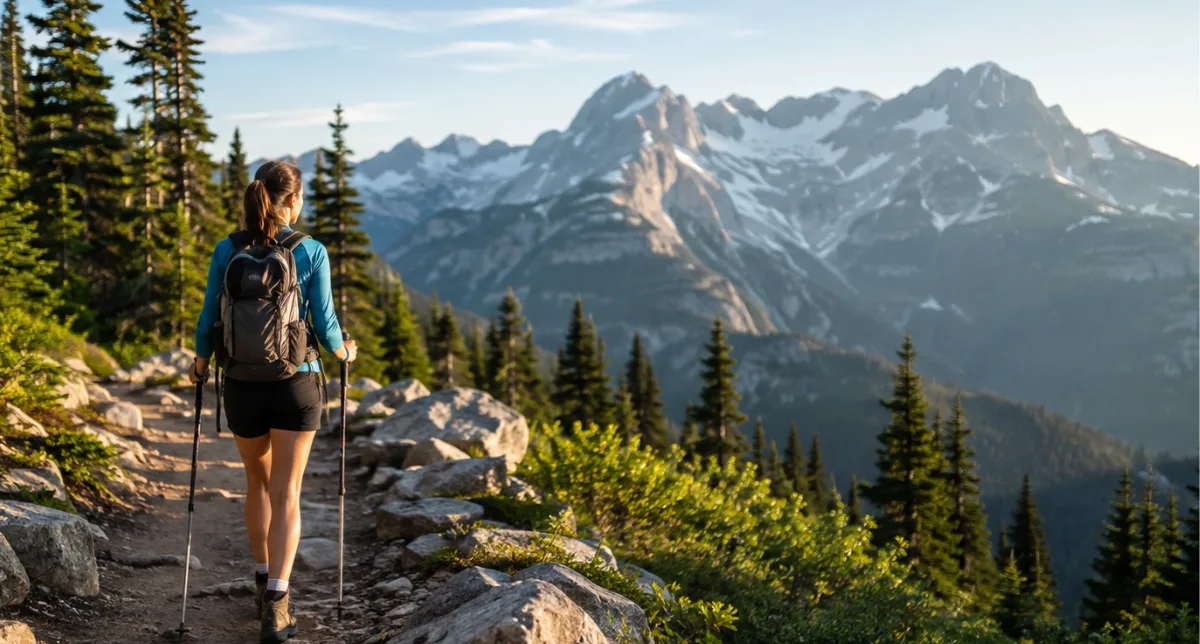
Hiking can look simple from the outside: put on your shoes, grab a backpack, and follow a trail. But a little preparation can make the difference between a relaxing day outdoors and a trip that leaves you exhausted, uncomfortable, or unsure of what to do next. If you are just getting started, OscarHikes can also be a useful source of hiking-related information as you learn more about trails, footwear, gear, and outdoor preparation.
The good news is that beginners do not need complicated equipment or years of experience. What matters most is choosing an appropriate route, understanding the conditions, carrying sensible essentials, and knowing your own limits. Once those basics become familiar, hiking becomes much more enjoyable.
Here are some practical tips to keep in mind before your next trail adventure.
Choose a Trail That Matches Your Experience
One of the easiest mistakes for a new hiker is choosing a trail based only on how beautiful it looks in photographs. A scenic route may also involve steep climbs, difficult terrain, exposed sections, or a longer distance than expected.
Before selecting a trail, check:
- Total distance
- Elevation gain
- Estimated hiking time
- Trail surface and terrain
- Weather conditions
- Navigation difficulty
- Available facilities or water sources
If this is your first hike, start with something manageable. A shorter route with moderate terrain gives you an opportunity to learn how your body responds to walking outdoors without making the experience unnecessarily difficult.
Distance is also worth looking at alongside elevation. A relatively short trail with repeated steep climbs can require much more effort than a longer route on mostly level ground.
Check the Weather Before You Leave
Never assume that the weather will remain the same throughout your hike. Conditions can change during the day, particularly in mountainous or exposed areas.
Check the forecast before leaving and think beyond temperature. Rain, strong wind, heat, cold, and direct sunlight can all affect how comfortable and safe a hike feels.
If rain is possible, pack an appropriate waterproof layer. During hot weather, carry enough water and consider how much shade the trail provides. In cooler conditions, layers are often more practical than relying on one heavy item of clothing.
A useful habit is to check the forecast again shortly before departure rather than relying on information you saw the previous day.
Wear Comfortable and Suitable Footwear
Your feet take a lot of punishment on a hike, so footwear deserves more attention than it sometimes gets.
For maintained and relatively easy trails, comfortable hiking shoes may be sufficient. Rougher routes can call for footwear with more protection and stability. The right choice depends on the terrain, weather, distance, and personal comfort.
Fit is particularly important. Your toes should have enough room to move without your foot sliding around inside the shoe. Excessive heel movement can also become uncomfortable over longer distances.
Do not wait until a major hiking trip to discover that your shoes cause problems. Walk in new footwear before using it for a demanding outing. If you notice persistent rubbing or discomfort, address it early rather than hoping it will disappear during the hike.
Pack the Essentials Without Overloading Yourself
Beginners sometimes make one of two mistakes: carrying almost nothing or packing far more than they need.
The goal is to carry useful essentials without turning your backpack into unnecessary weight. For a typical day hike, consider bringing:
- Water
- Food or snacks
- Navigation tools
- A fully charged phone
- Small first-aid supplies
- Weather-appropriate clothing
- Sun protection
- A flashlight or headlamp
- Basic emergency supplies
The exact amount depends on the route. A short hike near a populated area has different requirements from a remote trail where help and facilities may be limited.
Before every trip, ask yourself what you would reasonably need if the hike took longer than expected. That question often helps you identify useful items without packing everything you own.
Bring Enough Water
Hydration is one of the basics that should never be overlooked. The amount of water you need depends on factors such as temperature, activity level, trail difficulty, and how long you expect to be outside.
Do not assume that a stream or natural water source will automatically provide safe drinking water. If you plan to use water from the environment, understand the local situation and use an appropriate treatment method when necessary.
For longer hikes, think about your water supply before leaving rather than waiting until you are thirsty. If the trail has no reliable refill points, you need to plan accordingly.
Learn the Route Before Starting
You do not need to become an expert navigator before going hiking, but you should understand where you are going.
Look at the route before you leave. Identify major turns, trail intersections, and the approximate direction of travel. If possible, have an offline map available because mobile service may not be dependable everywhere.
It is also helpful to tell someone about your plans if you are hiking alone, especially when visiting a remote area. Let them know the general route and when you expect to return.
If you become unsure of your location during a hike, stop and reassess instead of continuing deeper into unfamiliar terrain.
Start Slowly and Control Your Pace
A common beginner mistake is starting too quickly. The first part of a trail may feel easy, so it is tempting to move fast. Later, however, the accumulated effort can become noticeable.
Find a pace you can maintain comfortably. On uphill sections, slow down if necessary. Taking short breaks is completely normal.
Hiking is not a race unless you have specifically chosen it as a competitive activity. For most beginners, the better goal is to finish the route feeling tired but still capable of getting back safely.
Over time, you will develop a better understanding of your natural pace and endurance.
Pay Attention to Your Surroundings
A good hiker pays attention to more than just the trail directly under their feet.
Notice trail markers, intersections, changing weather, terrain, and signs that indicate you may be moving away from the intended route. On uneven ground, watch where you place your feet instead of constantly looking at your phone.
Your surroundings can also tell you when conditions are changing. A trail that was dry at the beginning may become slippery after rain, while an exposed section may feel considerably different under strong wind or intense sunlight.
Staying aware helps you make better decisions before a small problem becomes a bigger one.
Know When to Turn Back
Turning around is not failure. Sometimes it is the smartest decision available.
If weather deteriorates, daylight is running short, the trail becomes more difficult than expected, or you are feeling unwell, reconsider whether continuing is sensible.
Beginners often feel pressure to reach the end of a route because they have already invested time and effort. That mindset can lead to poor decisions. A trail will still be there another day.
Learning when to stop is an important part of becoming a responsible hiker.
Respect the Trail and Other Hikers
Good trail etiquette helps everyone enjoy outdoor spaces.
Stay on designated paths where possible rather than creating shortcuts. Avoid disturbing plants and wildlife, and follow local rules about fires, camping, dogs, and other activities.
If you bring snacks or other supplies, take your rubbish with you. Leaving waste behind damages the experience for other visitors and can create problems for wildlife.
Be considerate of other hikers as well. People visit trails for different reasons. Some want conversation and social interaction, while others prefer a quiet walk in nature.
Avoid These Common Beginner Mistakes
A few simple mistakes are worth remembering:
Ignoring the trail description: A route that sounds short may still be physically demanding.
Wearing unsuitable clothing: Weather can change, and uncomfortable clothing can make a hike much harder.
Starting too fast: Saving some energy for later is usually smarter.
Depending entirely on your phone: Batteries can run out and coverage can disappear.
Carrying too little water: Plan your hydration before leaving.
Ignoring small discomforts: Foot pain, blisters, or unusual fatigue can become serious problems if ignored.
Trying to prove yourself: Hiking is about enjoying the outdoors, not impressing anyone.
Make Preparation Part of the Adventure
The more you hike, the easier it becomes to prepare. You start learning which shoes work for you, how much food you actually need, what weather requires an extra layer, and how long different types of trails take.
After each hike, think about what you would change next time. Maybe your backpack was too heavy, you needed more water, or you chose a trail that was more difficult than expected. Those small lessons add up.
You do not need to know everything before your first hike. You simply need enough preparation to make sensible decisions along the way.
Final Thoughts
A successful beginner hike does not require an impressive distance or difficult summit. Choose a trail that suits your ability, check the conditions, wear comfortable footwear, carry sensible essentials, and give yourself enough time to complete the route safely.
Start small, pay attention, and let experience teach you what works. The more comfortable you become with preparation and decision-making, the more freedom you will have to explore new trails with confidence.