
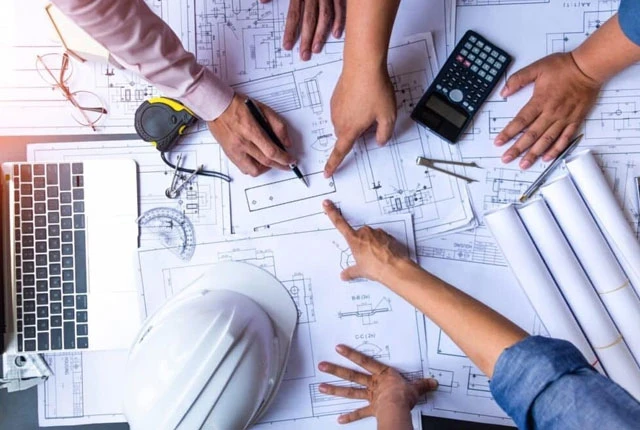
Civil construction design is a practical and rewarding field. It involves planning roads, bridges, drainage systems, and other infrastructure that people use every day.
If you are thinking about entering this field, it is important to understand the key skills required. These skills help you work efficiently and grow in your career.
Many students choose a Civil Construction Design Diploma to build these skills and gain industry knowledge early on. It gives a strong base for both technical and practical work.
Technical Knowledge and Understanding
First things first, you need a solid understanding of construction basics. This includes materials, methods, and design principles.
You should know how different structures are built and how they perform over time. This helps you create safe and reliable designs.
It may sound complex at first, but with practice, it becomes second nature. Like learning to cook, you improve the more you do it.
Ability to Read and Create Drawings
In this field, drawings are everything. Plans, blueprints, and design layouts are used daily.
You must be able to read technical drawings clearly. At the same time, you should know how to create your own designs using tools like AutoCAD.
Even small mistakes in drawings can cause big problems on-site. So, attention to detail is very important here.
Problem-Solving Skills
Things do not always go as planned in construction. Weather, budget issues, or site conditions can create challenges.
This is where problem-solving skills come in. You need to think quickly and find practical solutions.
Sometimes the best solution is the simplest one. Keeping a clear head helps more than overthinking.
Communication Skills
You will work with engineers, contractors, and clients. So, clear communication is a must.
You should be able to explain your ideas in a simple way. Not everyone understands technical terms, and that is okay.
Good communication avoids confusion and keeps projects running smoothly.
Knowledge of Software and Tools
Modern construction design relies heavily on software. Tools like AutoCAD, Civil 3D, and other design programs are widely used.
You do not need to master everything at once. Start with the basics and build your skills over time.
Being comfortable with software makes your work faster and more accurate.
Time Management
Deadlines are a big part of construction projects. You often need to complete designs within a fixed timeline.
Good time management helps you stay organised. It also reduces stress when multiple tasks are involved.
A simple to-do list can go a long way. Sometimes, old-school methods still work best.
Attention to Detail
In civil construction design, small details matter a lot. A minor error can lead to costly mistakes during construction.
Checking your work carefully is a habit you must develop. It may take extra time, but it saves bigger problems later.
Think of it as double-checking your exam answers before submitting.
Teamwork and Collaboration
Construction projects are team efforts. You will rarely work alone.
You need to cooperate with others and respect different opinions. Everyone plays a role in completing a project.
Being easy to work with is just as important as having technical skills.
Understanding Safety Standards
Safety is a top priority in construction. You must understand basic safety rules and building codes.
Designs should always follow safety guidelines. This protects workers, users, and the environment.
It is not just about passing a course. It is about real-world responsibility.
Adaptability and Willingness to Learn
The construction industry keeps improving with new tools and methods. You need to stay updated.
Being open to learning helps you grow faster. Even experienced professionals continue learning.
You do not have to know everything from day one. Just stay curious and keep improving.
Final Thoughts
Success in civil construction design comes from a mix of technical and soft skills. You need both to perform well and build a strong career.
Start with the basics and improve step by step. With the right mindset and practice, you can become confident in your work.
In the end, it is not just about designing structures. It is about creating something useful that people rely on every day.