
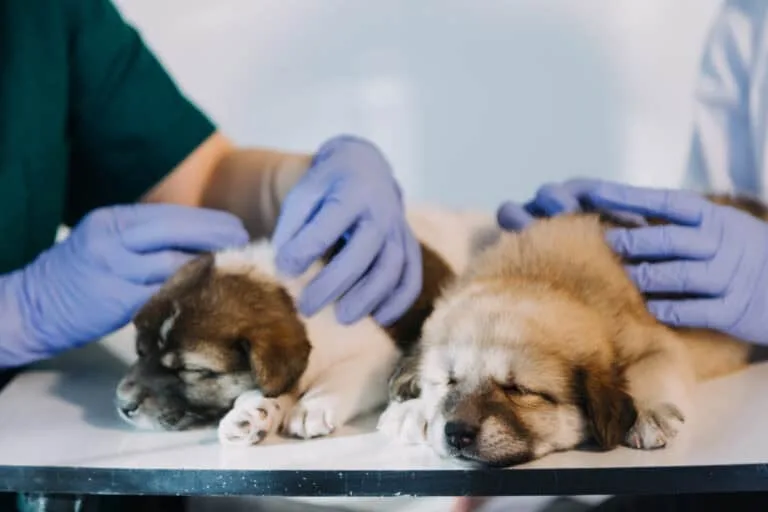
Wound management is a routine but important part of veterinary medicine. From small cuts and lacerations to surgical incisions and more complicated injuries, choosing the right wound closure technique can make a meaningful difference in healing and patient comfort. Veterinary professionals need to consider the location, size, depth, contamination level, and condition of the wound before deciding how it should be closed.
Having appropriate supplies readily available is equally important. Clinics often work with a range of closure materials and instruments, allowing veterinary teams to select the most practical option for each patient and procedure.
Understanding the Wound Before Closure
Before choosing a closure technique, the wound should be carefully assessed. Veterinary professionals typically consider factors such as tissue damage, blood supply, contamination, tension, and the likelihood of movement around the affected area.
Cleaning and preparing the wound is also essential. Removing debris and addressing damaged or contaminated tissue can help create a cleaner environment for healing. In some cases, immediate closure may not be appropriate, particularly when there is significant contamination or infection.
The goal is not simply to close the wound. It is to support natural healing while minimizing unnecessary tension, dead space, and irritation.
Common Suturing Techniques
Sutures remain one of the most widely used methods of wound closure in veterinary practice. Different patterns can be selected depending on the type and location of the wound.
Simple interrupted sutures are versatile and relatively easy to place or remove individually. They can be useful when precise control of wound edges is needed. Simple continuous sutures, on the other hand, can be faster to place and may work well for appropriately selected surgical wounds.
Other techniques, such as cruciate or mattress patterns, may be considered when additional wound edge support or tension distribution is needed. The choice should always be based on the individual patient and the characteristics of the wound rather than using one technique for every situation.
Using Skin Staples
Skin staples can provide another practical option for closing certain external wounds and surgical incisions. They can be placed relatively quickly and may be particularly useful when speed is important or when a wound has appropriate characteristics for stapling.
A disposable skin stapler can provide a convenient, ready-to-use option for veterinary teams. Because these devices are designed for single use, they can help simplify preparation and reduce the need to process reusable stapling equipment between procedures.
However, staples are not suitable for every wound. Veterinary professionals should evaluate tissue thickness, wound tension, location, contamination, and the patient's expected activity before selecting staples as the closure method.
Proper Staple Removal Matters
Closing a wound is only one part of the process. Once healing has progressed appropriately, staples may need to be removed at the appropriate time.
A skin stapler remover is designed to help veterinary professionals remove staples efficiently while minimizing unnecessary pulling or trauma to the surrounding tissue. Using the appropriate removal instrument can make the process more controlled and comfortable for the patient.
The timing of staple removal varies depending on factors such as wound location, healing progress, patient health, and the veterinarian's assessment. Staples should not simply be removed according to a fixed schedule without evaluating the wound first.
Choosing Between Sutures and Staples
There is no universal closure technique that works for every veterinary patient. Sutures can provide excellent control and allow clinicians to choose from numerous closure patterns. Staples may offer speed and convenience for appropriately selected wounds.
The patient's behavior and expected activity level can also influence the decision. Areas exposed to frequent movement, licking, scratching, or tension may require additional consideration when selecting a closure method.
Veterinary professionals should also consider the accessibility of the wound, the type of tissue involved, and whether the closure needs to remain in place for a particular period.
The Importance of Having the Right Supplies
A well-prepared veterinary clinic should have reliable wound closure supplies available before they are needed. Having commonly used instruments and materials organized can help the clinical team work efficiently during routine procedures and unexpected emergencies.
Working with reputable australian veterinary wholesalers can make sourcing veterinary supplies more convenient for clinics, hospitals, and other animal healthcare providers. Access to dependable products allows veterinary teams to maintain appropriate stock levels and select suitable supplies for different procedures.
When purchasing wound closure products, clinics should consider product quality, intended use, packaging, sterility, storage requirements, and supplier reliability.
Supporting Better Wound Care
Effective wound closure is about more than selecting a needle, suture, or stapling device. Careful assessment, appropriate preparation, accurate technique, and proper follow-up all contribute to successful wound management.
Veterinary professionals should also monitor closed wounds for signs of complications, including excessive swelling, discharge, separation of the wound edges, irritation, or other changes that may require veterinary attention.
Whether a wound is closed with sutures or staples, the priority remains the same: protect the affected tissue, support healing, and provide appropriate care throughout recovery.
By understanding the strengths and limitations of different closure methods and keeping suitable supplies available, veterinary teams can approach wound management with greater confidence and consistency. Thoughtful technique selection, combined with proper patient monitoring, helps make wound care a more organized and effective part of everyday veterinary practice.