
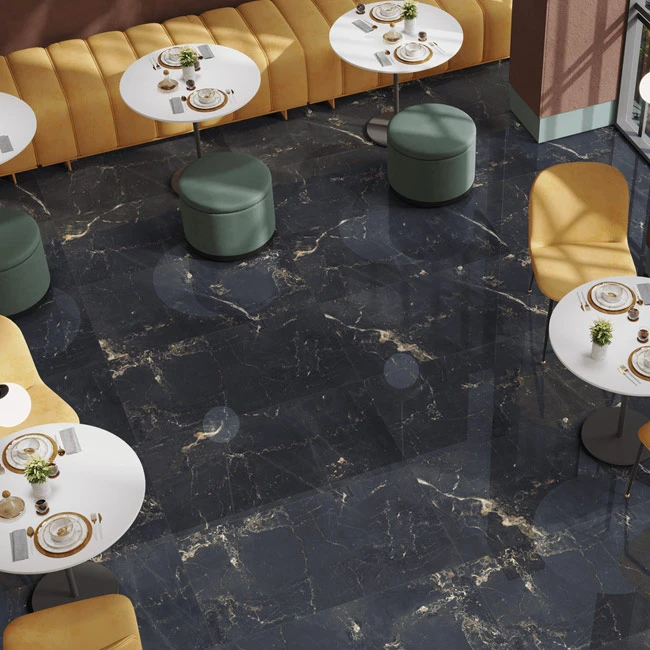
In today’s construction landscape, the focus has shifted beyond aesthetics to include sustainability and long-term performance. Architects, designers, and homeowners are increasingly evaluating materials not just for how they look, but for how responsibly they are produced and how well they perform over time.
Natural stone has traditionally been a preferred choice for premium spaces due to its timeless appeal. However, the environmental implications of quarrying, processing, and transportation have prompted a move toward more efficient alternatives such as Porcelain Floor Tiles, which combine visual elegance with enhanced durability.
Understanding Material Impact in Modern Construction
Every construction material carries an environmental footprint. Natural stone extraction can disrupt ecosystems and landscapes, while porcelain manufacturing involves high-temperature kiln processes and industrial production.
Porcelain tiles are made from natural materials such as clay, feldspar, and silica. These raw materials are processed and fired at extremely high temperatures, resulting in a dense and durable surface. This durability significantly reduces the need for frequent replacement, contributing to better resource efficiency over time.
Additionally, advancements in manufacturing—such as energy-efficient kilns and water recycling systems—are helping reduce the overall environmental impact of tile production.
Advanced Manufacturing and Realistic Design
Technological innovation has transformed the way modern Porcelain Tiles are designed and produced. High-definition digital printing techniques allow manufacturers to replicate the intricate details of natural stone, including veining patterns, textures, and tonal variations.
These tiles are engineered to avoid repetitive patterns, offering a more natural and authentic appearance. A wide range of finishes, from high-gloss polished surfaces to subtle matte textures, enables porcelain to closely resemble materials such as marble, limestone, and slate.
This combination of visual realism and structural consistency makes porcelain tiles a reliable choice for both residential and commercial environments.
A Balanced Approach to Sustainable Design
Stone-look porcelain tiles provide a practical balance between environmental awareness and design excellence. While their production does require energy, their long lifespan, resistance to wear, and minimal maintenance needs make them a strong alternative to natural stone.
Modern construction practices increasingly emphasize lifecycle performance rather than focusing solely on raw material origin. In this context, porcelain tiles offer durability, consistency, and versatility that meet the evolving demands of contemporary design.
Conclusion
As the demand for sustainable and high-performance materials continues to grow, porcelain tiles are becoming a preferred solution in modern construction. Their ability to replicate the beauty of natural stone while offering superior durability positions them as a valuable material for future-ready spaces.
By choosing porcelain, designers and homeowners can achieve a refined aesthetic while supporting more efficient and responsible building practices.