

Aging is a natural part of life, but for many people, visible signs such as sagging skin, deep wrinkles, and jowls can lead to a loss of confidence. Facelift surgery, or rhytidectomy, is a popular cosmetic procedure designed to reverse some of these age-related changes and restore a more youthful facial appearance.

In this blog, we’ll explore everything you need to know about facelift surgery in Mumbai. The blog entails procedure, different types, potential benefits, and the associated risks.
Introduction to Facelift Surgery
A facelift is a surgical procedure aimed at reducing visible signs of aging in the face and neck. It involves lifting and tightening the facial tissues, removing excess skin, and repositioning fat and muscle layers to create a more refreshed and youthful contour.
Facelift surgery focuses primarily on the lower two-thirds of the face and the neck. It doesn’t address the eyes or forehead, although these areas can be treated with additional procedures like a brow lift or eyelid surgery.
Facelift Surgery: Procedure
The surgery is typically performed under general or local anesthesia and involves incision. Here’s complete step by step guide to facelift surgery:
- Anesthesia: To ensure a comfortable and painless procedure, general or local anesthesia is administered.
- Incision: Incision is made according to the type of surgery. For example, traditional facelift surgery often starts with an incision on the temple, continued around the ear, and followed to the end of the lower scalp. Whereas, a neck often involves an incision under the chin.
- Tissue Repositioning: Once the incision has been made, underlying tissues are lifted and repositioned, followed by muscle tightening and fat redistribution to get the desired contours.
- Skin Redraping and Trimming: Once the desired contours are made, the skin is draped over the new contours, followed by trimming saggy skin.
- Closure: After re-draping the skin, the incisions are closed with sutures. These sutures can be dissolvable and non-dissolvable as well. In some cases, incisions can be closed with skin adhesives as well.
- Recovery: A compression bandage may be applied to reduce swelling. Recovery time varies, but most patients resume normal activities within 2–3 weeks.
Types of Facelift Surgery
There are several types of facelifts, each catering to different levels of aging and patient needs:
- Traditional Facelift: This is the most comprehensive form, addressing the mid-face, jowls, and neck. It’s suitable for individuals with moderate to advanced aging signs and delivers dramatic, long-lasting results.
- Mini Facelift: A less invasive option with shorter incisions, typically around the ears. It’s ideal for younger patients or those with mild sagging.
- Mid-Facelift: Targets the cheek area and nasolabial folds (lines from the nose to the mouth). Often combined with fat grafting or fillers for volume restoration.
- Neck Lift: Specifically focuses on the neck area to remove loose skin and excess fat, often performed along with other facelift procedures.
- Deep Plane Facelift: This advanced technique lifts the deeper facial tissues and muscles for a more natural, longer-lasting result. It’s more technically demanding but considered highly effective.
Benefits of Facelift Surgery
Here are some benefits of facelift surgeries given below:
- Reverses Signs of Aging
- Long-Lasting Results
- Natural Look
- Boost in Self-Confidence
- Comprehensive Solution
Risks and Complications
Some of the common risks and complications with facelift surgery are as follows:
- Scarring: While incisions are strategically placed, some scarring is inevitable. Most scars fade over time and are easily concealed.
- Hematoma: A collection of blood under the skin may require surgical drainage. It's one of the most common complications.
- Nerve Injury: Facial nerve damage is rare but can lead to temporary or permanent loss of sensation or facial movement.
- Infection: Proper post-operative care and antibiotics minimize this risk.
- Unsatisfactory Results: Asymmetry, under-correction, or dissatisfaction with the aesthetic outcome may necessitate revision surgery.
- Anesthesia Risks: General anesthesia carries its own risks, especially in patients with pre-existing medical conditions.
Is a Facelift Right for You?
Facelift surgery isn’t suitable for everyone. Ideal candidates are:
- In good overall health
- Non-smokers (or willing to quit before surgery)
- Realistic about their expectations
- Concerned with moderate to advanced signs of facial aging
Recovery and Aftercare
Post-operative recovery is crucial for optimal results. Swelling, bruising, and discomfort are normal in the first few days and can be managed with medications and rest. Some of recovery Tips:
- Keep your head elevated
- Avoid strenuous activities for 2–4 weeks
- Follow your surgeon’s instructions regarding wound care
- Attend follow-up appointments for monitoring
Get expert consultation from the best plastic surgeon in India, Dr. Parag Telang at Designer Bodyz.
Facelift surgery remains one of the most effective options for long-term facial rejuvenation. With a range of techniques available, from mini-lifts to deep plane facelifts, modern cosmetic surgery can deliver results that are natural-looking, long-lasting, and tailored to the individual.
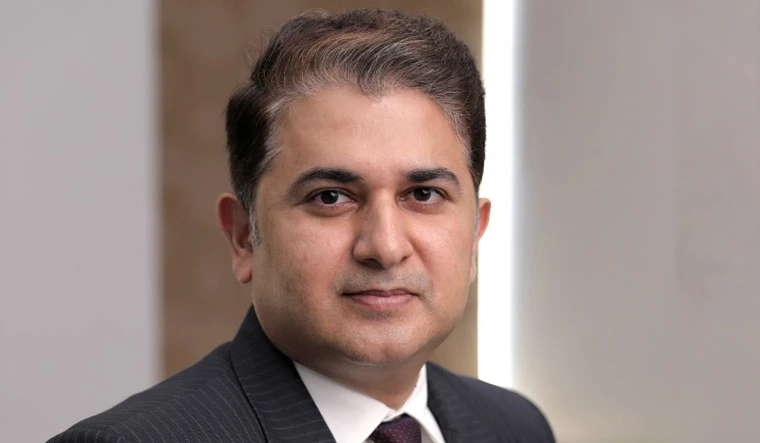
If you're considering a facelift, consult with a board-certified plastic surgeon to discuss your goals, assess your candidacy, and determine the best approach for your needs. With realistic expectations and expert care, a facelift can help you look as vibrant and youthful as you feel. For more information, book an appointment with the best plastic surgeon in India, Dr. Parag Telang, a Designer Bodyz, today!