
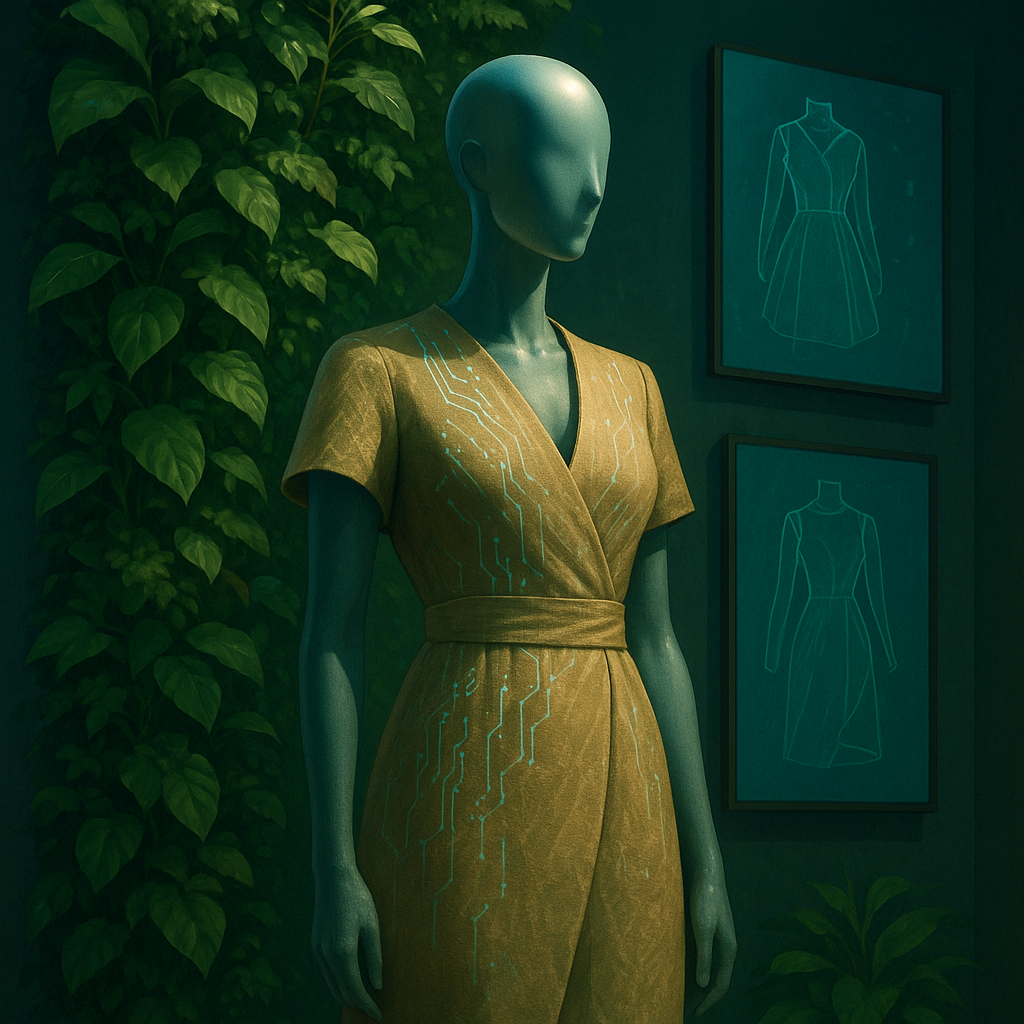
Fashion’s New Dawn: A Scene from Milan’s 2026 Runways
Under the bright lights of Milan Fashion Week 2026, an unmistakable shift was palpable. Models strode down the runway adorned in garments that seemed to blend craftsmanship with cutting-edge technology. Fabrics embedded with sensors that change color based on ambient light, biodegradable textiles promising zero waste, and designs that reflected more than just aesthetics—they conveyed purpose.
What was once a world dominated by seasonal trends and rapid consumption is now witnessing a renaissance. Fashion is emerging not only as an art form but as an emblem of environmental responsibility and technological synergy. According to industry insiders, this transformation is reshaping how designers, manufacturers, and consumers approach apparel.
“The fashion industry is no longer about fleeting styles; it’s about creating meaningful, responsible, and innovative expressions,” remarked Elena Rossi, chief creative officer at EcoMode, a leading sustainable fashion house.
This pivotal moment underscores a broader narrative that has been unfolding over the past several years, as sustainability and technology have moved from peripheral concerns to central pillars of fashion’s evolution.
Tracing the Roots: How Fashion Arrived at its 2026 Crossroads
Understanding the current trajectory requires a look back. The early 2020s exposed fashion’s vulnerabilities—fast fashion’s environmental toll, labor exploitation, and waste accumulation became impossible to ignore. A 2023 United Nations report estimated that the global fashion industry accounted for nearly 10% of greenhouse gas emissions and dumped millions of tons of textile waste annually.
Consumer attitudes began shifting. Millennials and Gen Z, now the dominant spending forces, demanded transparency and ethics. This consumer pressure forced brands to reevaluate. Simultaneously, advancements in textile science and AI-driven design tools sparked innovation.
By 2025, the industry saw a surge in investment towards circular fashion models, where garments are designed for reuse, recycling, or composting. Industry pioneers like Stella McCartney and Patagonia had already laid groundwork years prior, but the momentum accelerated.
Meanwhile, tech companies entered the fray, developing sustainable materials such as lab-grown leather alternatives and waterless dyeing processes. The fusion of fashion and tech was no longer niche but imperative.
Data-Driven Insights: Measuring the Shift in 2026
Concrete data illustrates this paradigm shift. The Global Fashion Sustainability Index (GFSI) reported a 35% reduction in water usage across major brands since 2022. Meanwhile, the market for smart textiles—fabrics integrating digital elements—grew by 42% in 2025 alone.
- 40% of luxury brands have incorporated AI in design or supply chain management by mid-2026.
- 60% of consumers surveyed in a 2026 Nielsen study considered sustainability certifications essential when purchasing apparel.
- 25% growth in resale and rental fashion platforms, highlighting the rise of circular consumption.
These figures are not isolated; they reflect a deep restructuring of fashion’s business models. The integration of AI enables predictive design, reducing overproduction, while blockchain technologies ensure supply chain transparency and authenticity verification.
Comparatively, traditional fast fashion brands that lag in adopting these innovations have experienced stagnation or decline, underscoring the commercial imperative of this transformation.
2026 Developments Shaping Today’s Fashion Landscape
This year has been marked by several notable developments. The launch of EcoWeave 3.0, a biodegradable smart fabric by TextileTech, offers garments that self-regulate temperature and decompose within months after disposal. Additionally, AI-driven personalization platforms have matured, allowing consumers to co-create designs tailored to their measurements and style preferences in real time.
Moreover, government policies worldwide have begun to enforce stricter environmental standards in textile production. The European Union, for example, mandated that by 2027 all textiles sold must meet minimum sustainability criteria verified via blockchain.
Tech giants have also entered partnerships with fashion houses, creating ecosystems where wearable tech is seamlessly integrated with fashion aesthetics. This convergence is fostering unprecedented innovation while maintaining environmental accountability.
“The convergence of sustainability and technology is not a trend but the foundation of fashion’s future,” commented Dr. Marcus Lin, a leading researcher in fashion technology at MIT.
These developments echo themes explored in our previous analysis, Why Sustainability and Tech Are Steering Fashion’s Bold New Era, which unpacks how industry leaders are leveraging these tools.
Expert Perspectives: Industry Leaders on Fashion’s Evolution
Interviews with designers, technologists, and environmental advocates reveal a consensus: the fashion industry must balance creativity with responsibility. Sofia Martinez, founder of the sustainable label VerdeWear, emphasized that innovation must be inclusive, ensuring access across socioeconomic boundaries.
Meanwhile, Tim Reynolds, CEO of FabricAI, a startup specializing in AI-powered design, shared insights on how machine learning is revolutionizing pattern making and inventory forecasting, reducing waste by up to 30%. “Our goal is to empower designers to create with precision and purpose,” Reynolds said.
Environmental groups have also applauded these shifts but urge vigilance. They caution against greenwashing and stress that transparency is critical for authentic progress.
These expert voices align with the investigative findings presented in Why Fashion’s Future Lies Beyond Trends and Into Sustainability, which highlights the ongoing challenges and opportunities in embedding sustainability deeply into fashion’s DNA.
Looking Ahead: What to Watch in Fashion’s Next Chapter
As we move beyond 2026, several trends warrant close observation. The rise of decentralized fashion production—enabled by 3D printing and localized manufacturing—promises to reduce carbon footprints and empower smaller players.
Furthermore, the expansion of digital fashion in virtual and augmented realities presents a new frontier. Virtual garments, which users can wear in digital environments, are gaining traction, appealing to eco-conscious consumers seeking expression without physical waste.
- Expansion of Circular Economy Models: Brands adopting leasing, resale, and refurbishment will grow their market share.
- Integration of AI in Consumer Experience: From virtual fitting rooms to personalized style recommendations, AI will enhance engagement.
- Regulatory Evolution: Governments will likely increase mandates on sustainable production and transparent supply chains.
- Material Innovation: Continued breakthroughs in biofabrication and biodegradable textiles will reduce environmental impact.
- Digital Fashion Growth: Increasing acceptance of NFTs and virtual wearables will redefine ownership and consumption.
These factors collectively signal a fashion industry that is not only adapting to the challenges of the 21st century but actively shaping a more responsible and innovative future.
“Fashion’s renaissance is about harmonizing creativity with conscience and technology,” said Elena Rossi, capturing the spirit of this transformative era.
For readers interested in the complex interplay of identity and innovation in fashion, our feature How Fashion’s New Frontier is Shaping Identity and Innovation offers a compelling exploration of these themes.
Ultimately, the fusion of sustainability and technology is proving to be the engine driving fashion’s bold new narrative, redefining how we produce, consume, and perceive clothing in 2026 and beyond.