Build the Festive Look Around Meaning
Festive decorating feels richer when the display reflects family traditions rather than following every seasonal trend. Ganesha imagery can suggest auspicious beginnings and joyful welcome, while Durga imagery can represent courage, strength, and divine protection within Hindu traditions. These subjects can support celebrations across different parts of the year, but they should be presented with care. Begin by deciding which room will hold the main festive focus. Then choose colours, flowers, lighting, and textiles that frame the artwork without covering it or turning the wall into a crowded backdrop.
Create a Welcoming Entrance
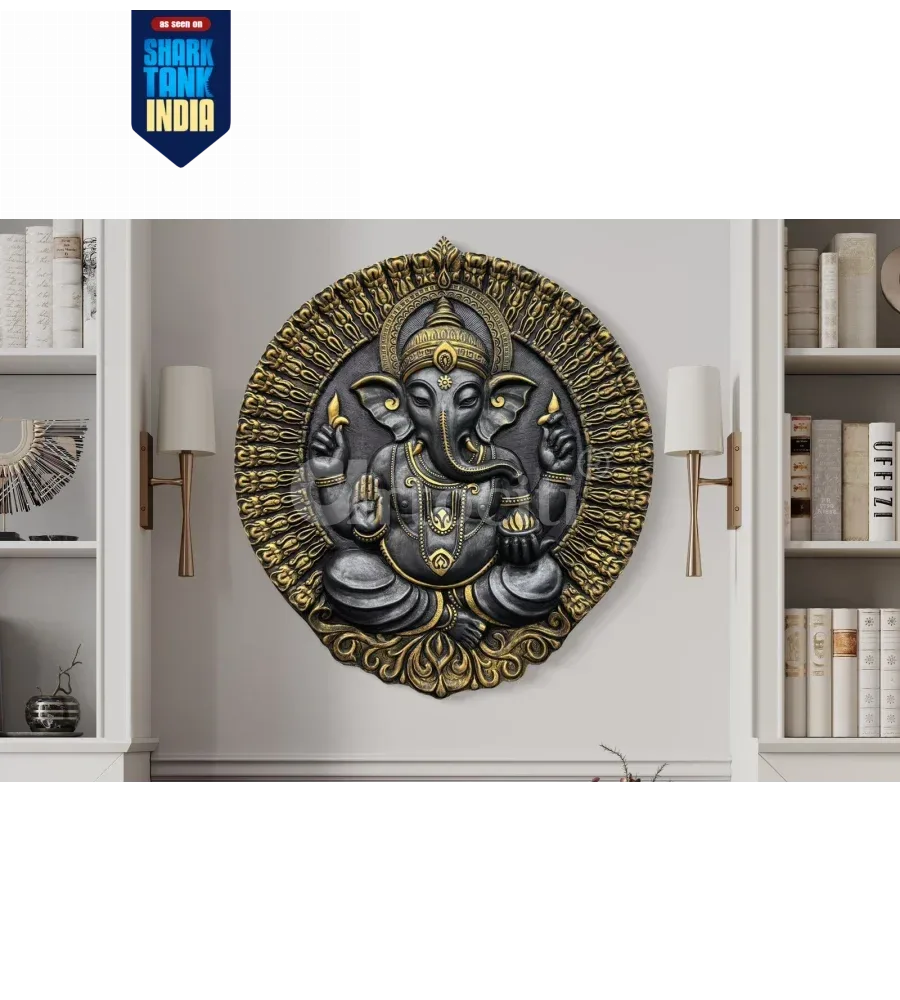
The entrance can introduce the celebration with one clear devotional image, a clean rangoli area, soft lighting, and a small floral arrangement. A piece from the Artociti Ganesha Collection can work above a console or closed shoe cabinet when the wall is visible immediately after entering. Keep the surface below organised and avoid placing tall objects that block the artwork. Fresh or artificial garlands should be secured so they do not rub against the frame. A warm lamp, brass bowl, or simple toran can complete the setting without requiring many separate decorations.
Give the Living Room a Strong Centre
In the living room, choose one main wall rather than decorating every available surface. A large devotional artwork above a low cabinet can become the centre of the festive arrangement. Use cushions, throws, and flowers to repeat selected colours from the image. If the artwork is detailed, keep surrounding patterns restrained. Move unrelated wall signs or small frames temporarily if they weaken the composition. The room should still function for conversation, serving food, and family photographs, so protect walking space and keep fragile lamps away from busy edges.
Use Durga Imagery with Visual Respect
Bold Durga Paintings often carry strong expressions, rich reds, gold details, weapons, lions, lotuses, or energetic backgrounds. They need enough wall space to be understood without visual competition. Place the work where the full composition is visible and where daily clutter does not collect below it. In a prayer room or dedicated devotional corner, use balanced lamps and flowers rather than excessive flashing lights. In a living area, allow the painting to remain the primary cultural statement. Respectful display depends on cleanliness, proportion, and thoughtful surroundings.
Coordinate Colour Without Overdecorating
Festive palettes commonly include red, maroon, saffron, gold, green, white, and deep blue. Using all of them equally can make a room feel restless. Select two main colours and one metallic accent, then repeat them through textiles, candles, flowers, or serving pieces. Neutral walls and furniture can provide breathing space. If both artworks appear in connected rooms, use one shared shade to create continuity. The goal is not exact matching. A subtle echo of red, gold, or cream is enough to make separate displays feel part of one celebration.
Combine Permanent Art with Temporary Details
Wall art can remain throughout the year, while garlands, lights, flowers, and fabrics change for each festival. This approach avoids repeated drilling and allows the home to evolve without replacing meaningful pieces. Use removable hooks carefully and keep adhesive away from painted or textured surfaces. Fabric backdrops should not cover ventilation or electrical points. Battery-operated lights can simplify installation, but their wires still need to be hidden safely. Temporary decor should frame the artwork, not cross the face, hands, symbols, or important details within the composition.
Light the Artwork Warmly and Safely
Warm white light usually supports devotional colours better than very cool light. Picture lights, shaded lamps, or adjustable ceiling spots can create focus without harsh glare. Keep oil lamps and candles on stable, heat-resistant surfaces with clear space above them. Do not place flames directly beneath frames, fabric, paper decor, or dried flowers. Check extension boards and wires before gatherings begin. Good lighting should make the image easy to see while also keeping guests, children, and decorations safe throughout the celebration.
Edit the Display After the Festival
Once the celebration ends, remove wilted flowers, tape, loose wires, and temporary ornaments promptly. Clean the frame gently according to its material and check whether any moisture or soot has collected. Keep one or two neutral accessories nearby so the artwork returns naturally to everyday decor. This prevents devotional art from looking dependent on festival decoration. A simple lamp, plant, or uncluttered surface can support it throughout the year. Thoughtful editing also makes the next festive transformation easier because the permanent foundation remains clear and organised.
Final Thoughts
Choose one main festive wall and let nearby areas support it quietly. Repeat a limited colour palette through flowers, fabrics, lamps, and table accents. Keep garlands and temporary lights away from important parts of the image. Remove temporary decorations promptly so the artwork returns gracefully to everyday use. A meaningful festive home feels joyful because every element has space, purpose, and respect. Permanent devotional artwork gives festive styling a stable foundation from year to year. Flowers, lamps, textiles, and torans can change while the central wall remains familiar. Choose one celebration area so colour and light do not spread without control across every room. A limited palette makes rich devotional subjects easier to appreciate from a distance. Garlands should frame the composition without crossing faces, hands, weapons, or symbolic details. Battery lights require tidy wiring and should not hang loosely around frames or fabrics. Oil lamps and candles need stable surfaces, heat clearance, and continuous supervision. Move serving tables and seating carefully so guests can circulate without touching the display. Photograph the arrangement before the gathering to identify clutter that is easy to miss in person. After the festival, remove flowers and adhesive before they mark walls or frames. A clean everyday arrangement allows the same art to remain relevant beyond the celebration. Festive decor feels most joyful when safety, respect, and visual restraint are never treated separately. Take a final photograph and compare the composition with the rest of the room. Let balance guide you.