
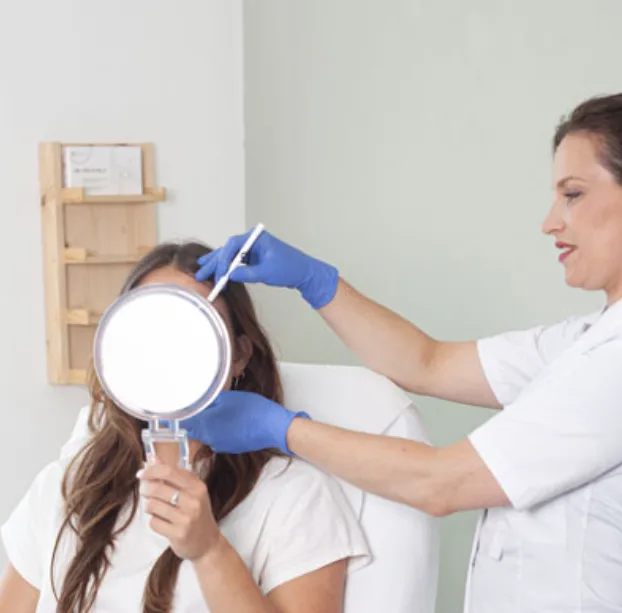
Fine lines around the eyes are often one of the first visible signs that the skin is changing. A woman may notice that her concealer settles differently, that the skin looks thinner than before, or that her eyes appear more tired even after a good night’s sleep.
For many women in the Netherlands and across Europe, the goal is not to change their face. They are not searching for a dramatic transformation. They want their skin to look healthier, smoother, and more refreshed while keeping their natural expressions.
This shift in expectations has changed the way many people think about aesthetic treatments. Instead of only focusing on adding volume or filling lines, more attention is now being given to treatments that aim to improve the quality of the skin itself.
One treatment receiving growing interest is polynucleotiden. These injectable treatments are being studied for their possible role in improving skin texture, hydration, elasticity, and the appearance of fine lines.
Recent clinical research has specifically explored whether polynucleotiden can help improve the delicate area around the eyes without using traditional filler techniques. A 2026 study published in the Journal of Cosmetic Dermatology followed 42 patients who received intradermal polynucleotide injections for under-eye rejuvenation. Researchers observed improvements in lower eyelid appearance and crow’s feet, along with increased patient satisfaction during a 6-month follow-up period. The strongest improvements were reported around 3 months after two treatment sessions.
These findings are encouraging, but they also need to be understood correctly. Polynucleotiden are not designed to replace every type of aesthetic treatment. Their purpose is different from fillers because they focus more on supporting skin quality rather than adding volume.
Why The Eye Area Shows Fine Lines Earlier Than Other Areas
The skin around the eyes is one of the most delicate areas of the face. It is thinner than much of the surrounding facial skin and has fewer oil glands, which means it can lose moisture more easily.
As we age, natural changes occur inside the skin. Collagen and elastin production gradually decreases. These proteins help maintain firmness, flexibility, and smoothness. When their levels decline, the skin may become less resilient and fine lines may become more noticeable.
The eye area also experiences constant movement. Smiling, blinking, and squinting create repeated folding of the skin. Over many years, these movements can contribute to crow’s feet and expression lines.
External factors can make these changes more visible. Sun exposure is one of the biggest contributors because ultraviolet radiation can damage collagen structures. Other influences include stress, smoking, poor sleep, and environmental pollution.
For many women, the concern is not a deep wrinkle or major facial ageing. The issue is often that the skin around the eyes looks thinner, drier, or less smooth.
This is why improving skin quality has become an important focus in modern aesthetic medicine.
What Are Polynucleotiden And Why Are They Used For Skin Quality?
Polynucleotiden are injectable substances made from purified DNA fragments. They are commonly derived from salmon DNA and have been studied for their possible role in tissue repair and regenerative skin processes.
The idea behind polynucleotiden is different from the approach used with traditional fillers.
A filler is mainly designed to restore lost volume. For example, hyaluronic acid fillers may be used when changes beneath the skin create hollowness or deeper folds.
Polynucleotiden are focused more on the condition of the skin itself. Research suggests they may support biological processes involved in skin repair, hydration, and dermal remodeling.
The skin contains cells called fibroblasts, which play an important role in producing collagen and maintaining the structure of the skin. Researchers are studying how polynucleotiden may influence these natural processes.
The aim is not to erase every line completely. Instead, the goal is to help the skin appear healthier, smoother, and better hydrated.
For women who want to understand how this type of treatment works, more information about polynucleotiden can provide further details about the approach.
Polynucleotiden And Fillers: Understanding The Difference
Because both treatments involve injections, people sometimes assume that polynucleotiden and fillers work in the same way. They do not.
The main difference is the goal of treatment.
Fillers are mainly used to replace volume that has reduced over time. They can help restore facial balance in areas where the underlying structure has changed.
Polynucleotiden focuses on improving the appearance and quality of the skin. They are not primarily intended to create fullness.
For fine lines around the eyes, this difference is important. Many women do not have a problem with missing volume. Their concern is usually related to:
- Thin-looking skin
- Reduced hydration
- Small wrinkles
- Uneven texture
- A tired appearance
In these situations, improving the skin itself may be more aligned with what the person wants.
However, every under-eye concern has a different cause. A woman with significant hollowness may need a different treatment approach compared with someone whose main issue is surface-level skin quality.
Understanding the reason behind the change is the first step in choosing an appropriate option.
What Does Clinical Research Show About Polynucleotiden Around The Eyes?
The strongest research connected specifically to fine lines around the eyes comes from the Prospective Observational Study of Polynucleotide Injections for Periorbital Rhytides, published in the Journal of Cosmetic Dermatology in 2026.
The study included 42 patients who received intradermal polynucleotide injections for under-eye rejuvenation. Researchers measured changes using validated FACE-Q questionnaires, which are designed to assess patient satisfaction and perception of appearance.
Patients were evaluated before treatment and again at 1 month, 3 months, and 6 months after treatment.
The researchers reported:
- Improvements in lower eyelid appearance scores
- Improvements in crow’s feet appearance
- Higher patient satisfaction after treatment
- Minimal reported adverse events
The greatest improvements were observed at 3 months after two treatment sessions.
This research is especially relevant because it focuses on the exact concern many women have: improving the appearance of the eye area without creating a fuller or altered look.
However, it is also important to understand the type of research involved. This was an observational study, meaning researchers followed patients receiving treatment but did not compare them with a separate untreated control group. More controlled studies will help provide stronger evidence in the future.
What Broader Research Says About Skin Improvement
While the eye-area study gives specific information, researchers have also looked at polynucleotiden more broadly in aesthetic medicine.
A systematic review published in the Journal of Cosmetic Dermatology examined available clinical research on polynucleotide treatments. The review included 9 studies involving 219 patients and found potential improvements in areas such as wrinkles, skin texture, and elasticity.
The review also highlighted an important point: although current findings are promising, the available studies differ in their methods and treatment protocols. Larger clinical trials are still needed to better understand long-term effects and identify the patients who may benefit most.
This balanced view is important. Good medical information should explain both what research suggests and where uncertainty remains.
Polynucleotiden show potential, but they should be considered as part of a personalised skin treatment approach rather than a guaranteed solution for every type of ageing concern.
When Can Women Expect To See Results From Polynucleotiden?
One of the most important things to understand about polynucleotiden is that the results are gradual. This treatment approach is not designed to create a sudden change in facial appearance.
Many women who consider treatments for fine lines around the eyes are looking for improvement that still feels natural. They want the skin to look fresher and healthier rather than looking like they have had a noticeable procedure.
Because polynucleotiden focus on supporting skin quality, the improvement process depends on how the skin responds over time. Some women may first notice changes in hydration and texture, while improvements in fine lines may become more visible later.
The Journal of Cosmetic Dermatology 2026 study involving 42 patients followed participants for 6 months and found continued improvement during the observation period. The highest satisfaction levels were reported around 3 months after two treatment sessions.
This gradual timeline is one reason why polynucleotiden appeal to women who prefer subtle skin improvement instead of immediate volume changes.
The aim is not to create a different face. The aim is to support healthier-looking skin.
Are Polynucleotiden Safe For The Delicate Eye Area?
The area around the eyes requires careful attention because the skin is thin and the underlying anatomy is complex.
Current research suggests that polynucleotiden are generally well tolerated when performed by trained medical professionals.
In published studies, the most common reactions have usually been temporary and may include mild redness, swelling, sensitivity, or small bumps at injection points.
The Systematic Review of Polynucleotide Treatments in Aesthetic Medicine, published in the Journal of Cosmetic Dermatology, found that reported side effects were generally mild and temporary across the available studies.
The under-eye study involving 42 patients also reported minimal adverse events during the 6-month follow-up period.
However, every injectable treatment has possible risks. A safe approach starts with a proper assessment of the person’s skin condition, medical background, and expectations.
The quality of the treatment depends not only on the product itself but also on correct patient selection, professional knowledge, and appropriate injection technique.
Who May Consider Polynucleotiden For Fine Lines Around The Eyes?
Polynucleotiden may be an option for women who want to improve the appearance of ageing skin around the eyes without adding extra volume.
They may be considered when concerns include:
- Fine lines around the eyes
- Early signs of skin ageing
- Reduced skin hydration
- Thin or crepey-looking skin
- Uneven skin texture
This approach may be especially appealing for women who feel that fillers do not match their goal.
For example, a woman who notices that the skin around her eyes looks dry and less smooth may have a different concern from someone who has deep under-eye hollowness caused by volume loss.
The right treatment depends on identifying what is actually creating the visible change.
A professional assessment can help determine whether the main concern is skin quality, volume reduction, muscle activity, or another factor.
Why Natural-Looking Skin Treatments Are Growing In Popularity In The Netherlands
The way people think about aesthetic treatments has changed.
Many women today are less interested in dramatic changes and more interested in maintaining a healthy and natural appearance. They want treatments that improve signs of ageing while keeping their facial expressions and identity.
This preference can also be seen in the Netherlands and wider European aesthetic market, where subtle results and skin health are becoming increasingly important.
The focus is moving away from simply correcting lines and toward improving overall skin condition.
This has increased interest in treatments that support hydration, elasticity, and skin texture.
Polynucleotiden fits into this wider movement because their purpose is not to reshape the face. Their purpose is to support the appearance and quality of the skin.
How Lifestyle Choices Affect Fine Lines Around The Eyes
Professional treatments can support skin improvement, but daily habits continue to play an important role.
The eye area is especially sensitive to environmental damage. Sun exposure is one of the strongest contributors to visible skin ageing because ultraviolet radiation can break down collagen and affect skin structure.
Regular sun protection remains one of the most effective ways to protect the delicate eye area.
Other lifestyle factors also influence skin appearance. Good sleep, balanced nutrition, enough water intake, and avoiding smoking can all support healthier skin.
These habits cannot stop natural ageing because genetics and biological changes are part of the process. However, they can influence how the skin looks and how well it maintains its quality over time.
Treatments such as polynucleotiden work best as part of a wider approach to skin health.
What Are The Current Limits Of Polynucleotiden Research?
Although interest in polynucleotiden is increasing, it is important to look at the evidence realistically.
Current research suggests that polynucleotiden may help improve:
- Skin texture
- Hydration
- The appearance of fine lines
- Overall skin quality
However, researchers are still studying several important questions, including the ideal treatment schedule, how long results last, and which patients are most likely to benefit.
The International Journal of Molecular Sciences reviewed the biological properties of polynucleotiden and discussed their possible role in tissue repair and regenerative processes. The researchers also explained that more clinical studies are needed to confirm their long-term effectiveness.
This scientific approach helps create realistic expectations.
Polynucleotiden are not designed to completely remove every wrinkle or stop the natural ageing process. Instead, they represent a developing option for women who want to support better skin quality.
Choosing The Right Solution For Fine Lines Around The Eyes
Fine lines around the eyes can happen for different reasons.
For some women, the main issue is reduced hydration and thinner skin. For others, wrinkles may be caused by repeated facial movement or changes in the deeper structures beneath the skin.
Because the causes are different, the best treatment approach also differs.
Polynucleotiden may be suitable for women whose main concern is improving skin quality without adding volume. They may not be the best choice for someone whose primary concern is significant volume loss or deeper structural changes.
A thoughtful treatment decision starts with understanding the skin rather than choosing a procedure based only on popularity.
The most successful outcomes usually come from matching the treatment to the actual concern.
Supporting Healthier-Looking Skin Without Changing Your Natural Features
The growing interest in polynucleotiden reflects a wider change in aesthetic medicine. Many women are looking for ways to improve their appearance without losing the features that make them look like themselves.
Current research, including a 42-patient clinical study focused on the eye area and a broader review involving 219 patients, suggests that polynucleotiden may have a role in improving aspects of skin quality such as texture, hydration, and fine line appearance.
At the same time, research continues to develop. Larger and more controlled studies will provide a clearer understanding of how these treatments work and how long results may last.
For women with fine lines around the eyes, the most important question is not simply whether a treatment can remove wrinkles. The more meaningful question is whether it can improve the skin in a way that feels natural and matches personal goals.
Based on current evidence, polynucleotiden offers a promising option for women who want to focus on healthier-looking skin without the added volume associated with traditional fillers. They represent a growing approach in aesthetic medicine where improving skin quality becomes just as important as treating visible signs of ageing.