
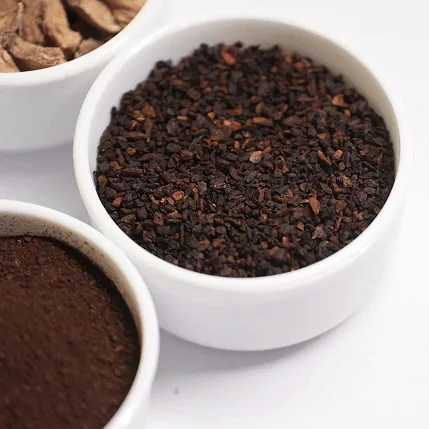
Chicory has been used in food and beverage applications for generations, particularly in roasted beverage and coffee-blending formulations. The journey from freshly harvested chicory roots to finished roasted grain involves several carefully managed stages. Each step, from raw material selection to roasting and storage, can influence the final aroma, color, flavor, and overall quality.
For businesses sourcing this ingredient, choosing a reliable roasted chicory grain supplier can help ensure consistent quality and dependable availability for different production requirements.
Selecting Suitable Chicory Roots
The production journey begins with the selection of suitable chicory roots. Quality raw materials provide a strong foundation for producing consistent roasted grain.
Roots should be properly cleaned and inspected to remove soil, foreign materials, and unwanted particles. Factors such as maturity, moisture content, cleanliness, and storage conditions can influence subsequent processing.
Proper handling after harvesting is also important because unsuitable storage conditions may affect the quality of the roots before roasting.
Cleaning and Preparation
After selection, the chicory roots undergo cleaning to remove remaining soil and impurities. They are then prepared for processing, which may include cutting them into appropriately sized pieces.
Uniform preparation helps promote more consistent heat exposure during roasting. This is particularly important for commercial production because uneven pieces may roast at different rates, resulting in variations in color, aroma, and flavor.
Careful preparation therefore contributes to greater batch consistency.
The Roasting Stage
Roasting is one of the most important stages in the production of roasted chicory grain. During this process, heat transforms the natural characteristics of the prepared chicory and develops its distinctive roasted profile.
Temperature and roasting duration need to be carefully controlled. Insufficient roasting may result in a lighter flavor and weaker aroma, while excessive roasting can produce an overly strong or bitter character.
A controlled roasting process helps achieve a balanced flavor, appealing aroma, and consistent color.
Cooling and Further Processing
After roasting, the chicory material needs to be cooled under appropriate conditions. Controlled cooling helps prevent excessive heat from continuing to affect the roasted product.
Depending on the intended application, the roasted grain may be sorted, processed further, or packaged directly. Some products may be ground or converted into other chicory ingredients for use in beverage formulations.
The processing method should match the final application and required product specifications.
Applications of Roasted Chicory Grain
Roasted chicory grain is commonly associated with coffee and roasted beverage production. Its earthy and roasted characteristics can complement coffee blends and contribute depth to the overall flavor profile.
It can also serve as a raw material for further processing into chicory powder, extracts, or other specialized ingredients.
Common applications include:
- Coffee blending
- Roasted beverages
- Chicory-based drinks
- Beverage ingredient production
- Instant beverage formulations
- Food processing applications
The required roasting profile and grain characteristics may vary according to the final product.
Quality Control
Quality control is important throughout the production process. Raw materials, roasting conditions, grain size, moisture levels, color, aroma, and final product consistency should be monitored according to established specifications.
Consistent quality helps manufacturers achieve predictable results during blending and processing.
Packaging should also protect the product from moisture, contamination, excessive heat, and other environmental factors.
Storage and Transportation
Proper storage is essential for maintaining roasted chicory grain quality after production. The product should generally be kept in clean and dry conditions and protected from direct sunlight and excessive humidity.
Suitable packaging can help preserve aroma, texture, and other desired characteristics during transportation and storage.
Companies such as Vashila Industries Pvt Ltd can support businesses seeking chicory-based ingredients for food and beverage applications.
Conclusion
The journey from chicory root to roasted grain involves multiple carefully controlled stages, including raw material selection, cleaning, preparation, roasting, cooling, quality control, packaging, and storage. Each stage can influence the final characteristics of the product.
By focusing on suitable raw materials, consistent roasting conditions, proper handling, and effective quality control, businesses can obtain roasted chicory grain suitable for a wide range of food and beverage applications. A dependable supply partner can further help maintain consistent quality and support reliable production requirements.