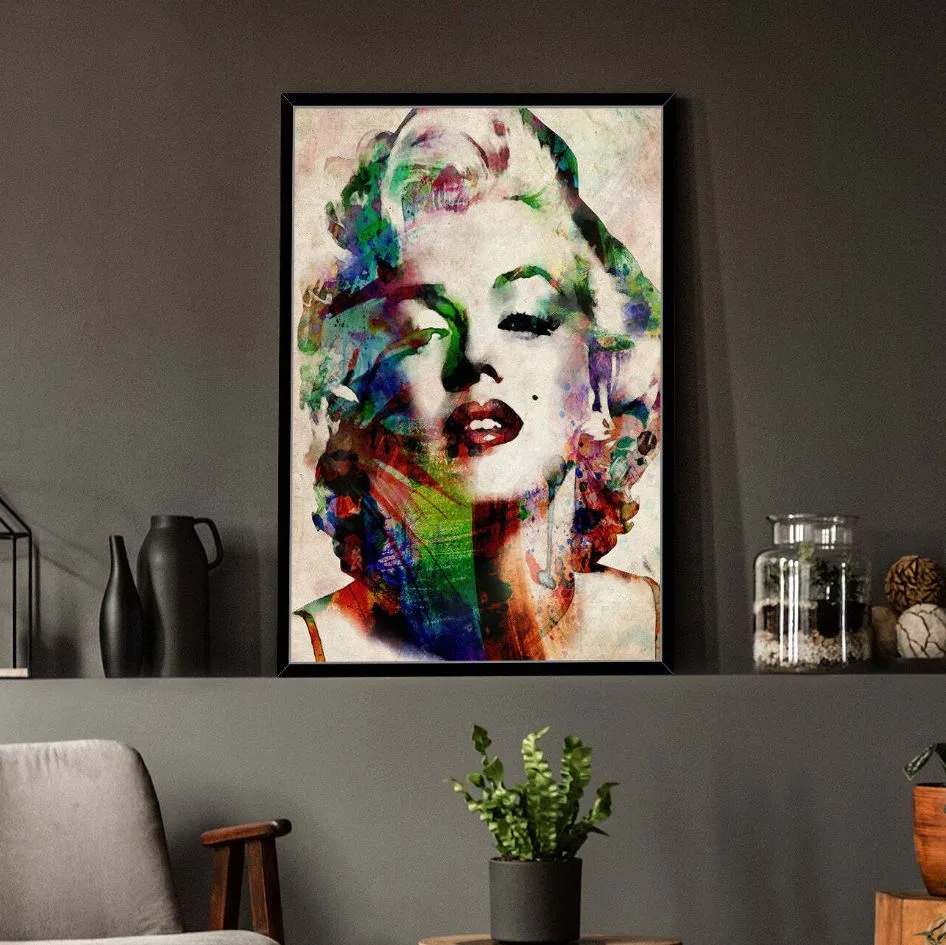
Portrait painting is one of the most rewarding forms of art, allowing artists to capture not only a person’s appearance but also their personality and emotions. While working from a photograph offers convenience and accuracy, transforming a flat image into a realistic painting requires skill, patience, and attention to detail. Understanding How to Create Lifelike Portrait Paintings can help artists of all experience levels produce stunning works that feel vibrant and alive. In this guide, we will explore the essential steps involved in turning a photograph into a realistic portrait painting, from selecting the right reference image to adding the final finishing touches on canvas.
When selecting a photograph, consider the following
Selecting the right reference photograph is a crucial step in creating a realistic portrait painting. Always choose a high-resolution image that clearly captures facial details, skin textures, and expressions. Good lighting is equally important, as it helps define facial features and creates natural depth. Avoid photographs with harsh shadows that hide important details or distort the subject’s appearance. Look for genuine, natural expressions that reflect the individual's personality and character, adding life and emotion to the final artwork. Additionally, stay away from heavily filtered or overly edited images, as they can alter colors and features, making it difficult to achieve an accurate and lifelike portrait.
Prepare Your Materials and Canvas
Before beginning your painting, gather all the required materials. Depending on your preferred medium, you may use oil paints, acrylics, or watercolors. Acrylic and oil paints are particularly popular for portrait work because they allow for smooth blending and layering.
Before starting your portrait painting, it is important to gather all the necessary materials and create an organized workspace. Essential supplies include a high-quality canvas or painting surface, a variety of brushes for different levels of detail, a paint palette for mixing colors, a clear reference photograph, sketching pencils or charcoal for the initial outline, and paints suited to your chosen medium, such as oil or acrylic. Having everything readily available helps streamline the creative process and minimizes interruptions. A well-prepared workspace also improves concentration, allowing you to focus on accurately capturing facial features, colors, and expressions throughout the painting.
Create an Accurate Drawing
A crucial aspect of How to Create Lifelike Portrait Paintings is achieving accurate proportions before applying paint. Even minor errors in feature placement can affect the overall likeness and realism of the portrait. Start by lightly sketching the subject onto the canvas, paying close attention to the shape and size of the head, eye alignment, nose and mouth proportions, hairline placement, and the spatial relationship between all facial features. Many artists rely on grid systems, measuring tools, or comparative observation techniques to transfer the image accurately from a photograph. Investing time in this initial drawing stage creates a strong foundation for a lifelike and convincing portrait.
Understand Light and Shadow
Realism in portrait painting relies heavily on understanding how light and shadow shape the face. A reference photograph can reveal important details about highlights, mid-tones, core shadows, and reflected light, all of which contribute to depth and dimension. Rather than focusing on individual facial features, artists should view the face as a series of interconnected three-dimensional forms. Careful observation of light patterns helps create a sense of volume and structure, making the portrait appear more lifelike. By gradually building tonal values and blending transitions smoothly, artists can achieve natural shading that prevents the painting from looking flat or artificial.
Develop Realistic Skin Tones
Creating realistic skin tones is one of the most important aspects of portrait painting, yet it is often more challenging than beginners expect. Human skin is not a single color; it contains a variety of warm and cool tones that shift depending on lighting, age, and facial structure. To achieve a lifelike appearance, avoid applying one uniform color across the entire face. Instead, blend subtle reds, yellows, blues, and browns to create natural depth and dimension. Build color gradually through thin layers rather than thick applications of paint. Careful observation of these tonal variations helps artists create more convincing and expressive portraits.
Focus on the Eyes
The eyes are often considered the most expressive feature in a portrait, serving as the primary focal point that draws viewers into the artwork. They communicate emotions, personality, and a sense of connection, making them essential for achieving realism. When painting eyes, pay close attention to their shape, proportion, and symmetry to ensure accuracy.
Observe how light creates reflections and highlights, adding depth and life to the gaze. Incorporate subtle color variations within the iris rather than relying on a single shade. Avoid harsh outlines, as they can make the eyes appear flat or artificial. Small details, such as carefully placed catchlights, can enhance realism and create a natural, lively appearance. However, it is important not to overwork these details, as excessive refinement may result in an unnatural or overly polished look.
Capture Facial Features with Precision
Every face possesses distinctive features that contribute to a person's identity and overall expression. When creating a realistic portrait, it is important to paint the nose, lips, eyebrows, and ears with care while ensuring they remain balanced with the rest of the face. Rather than concentrating on each feature individually, artists should observe how these elements relate to one another in terms of size, spacing, and proportion. Pay close attention to the curvature of the lips, the structure of the nose, the shape and texture of the eyebrows, and the subtle contours of the face. Together, these details create a convincing and lifelike resemblance.
Add Texture and Hair Details
Painting realistic hair can be one of the most challenging aspects of portrait art. A common mistake is focusing on individual strands too early in the process. Instead, start by blocking in the overall shape, volume, and tonal values of the hair to establish its structure. Once the foundation is in place, gradually build texture by painting larger sections, defining highlights and shadows, and adding a few carefully selected strands to create a natural appearance. Pay attention to the direction and movement of the hair to maintain realism. Additionally, subtle textures in clothing and background elements can complement the portrait without drawing attention away from the subject.
Refine and Evaluate Your Work
As you approach the final stages of your portrait, take time to step back and view the artwork from a distance. This simple practice helps you spot issues that may not be noticeable up close, such as incorrect proportions, uneven shading, or color imbalances. Carefully assess key elements like facial symmetry, skin tone consistency, contrast between light and shadow, and the overall resemblance to the reference photograph. Making small corrections at this stage can dramatically enhance the realism and visual appeal of the painting. Often, subtle refinements to details and values are what transform a good portrait into a truly lifelike masterpiece.
Conclusion
Learning How to Create Lifelike Portrait Paintings is a journey that combines observation, technical skill, and artistic expression. By selecting a strong reference photograph, creating an accurate drawing, understanding light and shadow, developing realistic skin tones, and refining fine details, artists can transform ordinary photographs into captivating works of art.
With patience and consistent practice, the process of moving from photograph to canvas becomes more intuitive, allowing you to create portraits that not only resemble the subject but also capture their unique character and presence. Whether you are a beginner or an experienced painter, mastering these techniques will help elevate your portrait paintings to a professional and lifelike standard.