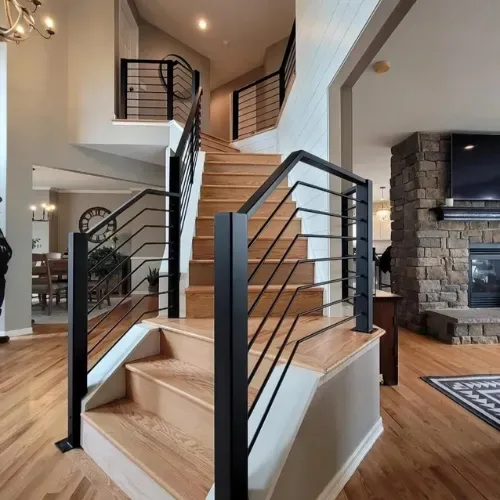
A showflat visit can be an important step when evaluating a condominium, but making a sound property decision requires more than simply deciding whether the interiors look appealing. Buyers should assess the unit, development, location, costs, and long-term suitability before committing.
For prospective buyers visiting The Serra Residences Showflat, having a structured approach can make the viewing more useful. Preparing questions and knowing which details to examine can help you gather information that supports a more objective comparison.
Define Your Priorities First
Before visiting the showflat, identify the features that matter most to you. These may include the number of bedrooms, floor area, transport access, privacy, facilities, or proximity to everyday amenities.
Separating essential requirements from preferences can also make your decision easier. This helps prevent attractive but less important features from influencing your choice too heavily.
Set a Comfortable Budget
A property should be assessed according to its overall financial impact, not just its purchase price. Buyers should consider their available funds, borrowing capacity, and expected monthly commitments.
Remember to account for expenses such as maintenance fees, taxes, legal costs, renovation, insurance, and utilities. A realistic budget can help narrow down suitable unit types before the viewing.
Study the Unit Layout
Pay close attention to how the available floor area is distributed. Look at the relationship between the living room, dining area, kitchen, bedrooms, bathrooms, and storage spaces.
Try to imagine the unit with your own furniture. Consider whether there would be sufficient room for beds, sofas, dining furniture, wardrobes, desks, and other essentials without making the home feel crowded.
Look Beyond Showflat Styling
Showflat furnishings can make a space easier to visualise, but they can also influence perceptions of size and functionality. Some displayed items may not form part of the standard unit.
Ask which furnishings, appliances, fittings, and finishes are included. Focus particularly on permanent characteristics such as room dimensions, windows, doors, structural elements, and built-in provisions.
Compare Different Unit Types
If several layouts are available, compare them using the same criteria. Consider floor area, bedroom sizes, storage, kitchen design, natural light, orientation, privacy, and overall price.
A larger unit is not necessarily the best option. The most suitable choice depends on how efficiently the space can be used and whether it matches your household's actual requirements.
Assess Natural Light and Ventilation
Natural light can affect the appearance and atmosphere of a home, while ventilation can influence indoor comfort. Observe window positions and ask about the orientation of the unit.
Conditions may vary between stacks and floor levels. If these factors are important to you, compare different available positions rather than relying solely on the displayed unit.
Consider Privacy and Noise
Privacy can be influenced by the unit's position, floor level, surrounding buildings, and proximity to communal facilities. Examine the relationship between windows, balconies, corridors, and neighbouring properties.
Noise should also be considered. Roads, lifts, recreational facilities, and surrounding developments may affect sound levels. If possible, visit at different times to understand how the environment changes throughout the day.
Evaluate the Facilities
Consider whether the development's shared facilities actually suit your lifestyle. Recreational, fitness, landscaped, and communal spaces can provide value, but their usefulness depends on how often you expect to use them.
Also consider where the facilities are located. Convenient access can be beneficial, but units positioned close to busy communal areas may experience more foot traffic and activity.
Research the Surrounding Location
The neighbourhood should be evaluated alongside the development itself. Consider access to public transport, schools, supermarkets, healthcare services, dining options, parks, and other everyday destinations.
Spend some time exploring the surrounding area if possible. This can provide a better understanding of traffic, pedestrian activity, noise, and general convenience.
Check Transport Connectivity
Consider how easily you can travel to your regular destinations. Look at MRT stations, bus services, major roads, and expressways.
For a more realistic assessment, consider peak-hour travel times rather than relying exclusively on general distance estimates. A convenient-looking location may have different practical travel times depending on traffic and transport conditions.
Research Future Developments
Neighbourhoods can change over time. New roads, transport infrastructure, commercial projects, or residential developments may affect accessibility, traffic, views, and noise.
Research confirmed plans using reliable sources and distinguish them from speculation. Understanding potential changes can help you evaluate whether the location remains suitable for your longer-term plans.
Review Ownership Costs
Ask about recurring maintenance fees and what they cover. Shared facilities and common areas require ongoing upkeep, which contributes to the cost of condominium ownership.
It is also useful to consider renovation, repairs, insurance, property taxes, utilities, and financing expenses. Looking at the complete cost picture can prevent an otherwise suitable unit from becoming financially uncomfortable.
Prepare Questions for the Viewing
A prepared list of questions can help you avoid overlooking important details. Useful topics include:
- Available unit types and layouts
- Floor area and room dimensions
- Orientation and floor levels
- Included fittings and appliances
- Maintenance fees
- Parking arrangements
- Facility locations
- Transport connections
- Nearby amenities
- Future developments
- Purchase and payment procedures
Take notes during the visit so you can review the information later.
Compare Before Committing
Avoid making a final decision immediately after a showflat visit. Compare the property against other suitable developments based on consistent criteria.
Consider which features genuinely improve your lifestyle and which ones are primarily aesthetic. Independent research can help you distinguish between short-term impressions and factors that may influence long-term ownership.
Think About Future Needs
A property purchase is usually a long-term commitment, so consider how the unit might suit you several years from now. Changes in household size, work arrangements, lifestyle, or storage requirements could affect your needs.
A flexible layout may provide greater value over time, but it is still important to avoid paying for significantly more space than you are likely to use.
Final Thoughts
Making an informed decision after visiting The Serra Residences Showflat requires a balanced assessment of the property and its surroundings. Unit layout, functionality, facilities, location, transport, privacy, costs, and future developments should all form part of the evaluation.
A showflat can provide valuable visual and practical information, but it should be combined with independent research and careful financial planning. Taking time to compare your options can help you choose a property that aligns with both your current requirements and longer-term plans.