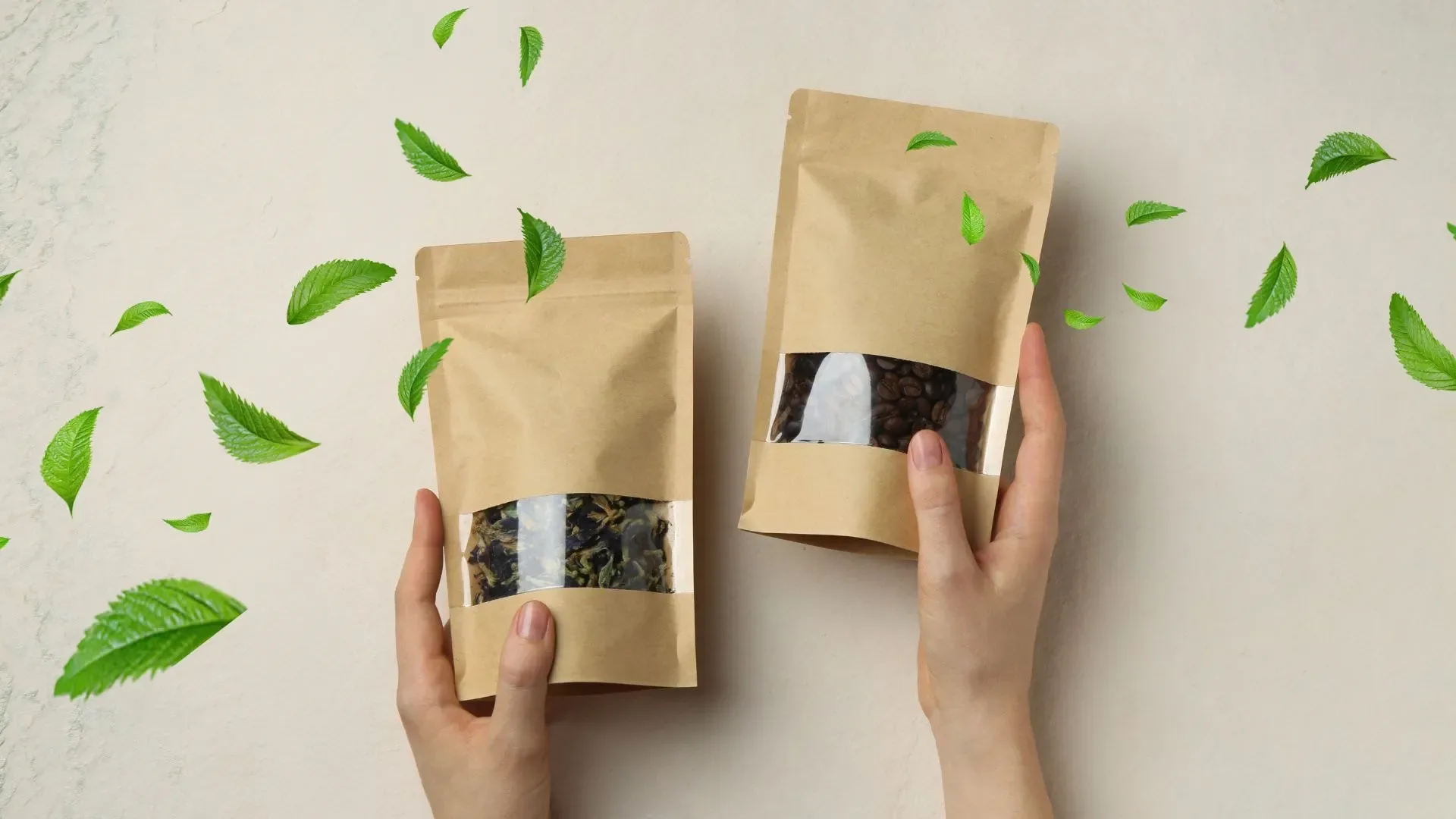
Flexible packaging is rapidly becoming one of the most important segments in India’s packaging industry. With growing demand from FMCG, food & beverage, pharma, and e-commerce sectors, the future looks highly promising. Companies like Whitelotus Industries are playing a key role in delivering advanced flexible packaging solutions that meet modern business needs.
Below is a detailed breakdown of the key trends and insights shaping the future of flexible packaging in India in 2026.
Key Drivers Shaping the Future of Flexible Packaging
Several strong factors are pushing the growth of flexible packaging in India:
1. Rapid Urbanization & Lifestyle Changes
Urban consumers prefer lightweight, easy-to-carry, and resealable packaging. This has increased demand for innovative flexible packaging solutions across food and daily-use products.
2. Growth of E-commerce and D2C Brands
Online shopping requires durable, cost-effective, and protective packaging. Flexible packaging reduces shipping costs and improves product safety during transit.
3. Sustainability Pressure
Consumers and regulations are pushing brands toward eco-friendly materials, recyclable films, and reduced plastic usage.
4. Cost Efficiency for Manufacturers
Flexible packaging uses less material compared to rigid packaging, making it more economical for large-scale production.
Top Flexible Packaging Trends in 2026
1. Sustainable and Eco-Friendly Materials
Sustainability is no longer optional. In 2026, brands are shifting toward:
- Biodegradable films
- Recyclable mono-material packaging
- Compostable pouches
Companies like Whitelotus Industries are investing in advanced flexible packaging solutions that reduce environmental impact without compromising quality.
2. Smart Packaging Technology
Smart packaging is becoming more common with features like:
- QR codes for product traceability
- Temperature indicators for food and pharma
- Anti-counterfeit labeling
This improves customer trust and product safety while adding digital value.
3. High-Barrier Packaging for Longer Shelf Life
With increasing demand for processed and packaged foods, high-barrier films are trending. These packaging types protect against:
- Moisture
- Oxygen
- UV light
This helps extend shelf life and reduce food wastage.
4. Lightweight and Cost-Optimized Packaging
Manufacturers are focusing on reducing material thickness while maintaining strength. This trend is driven by:
- Lower transportation costs
- Reduced raw material usage
- Better supply chain efficiency
5. Digital Printing & Customization
Brands want packaging that stands out. Digital printing allows:
- Short production runs
- Personalized packaging designs
- Faster time-to-market
This is especially useful for startups and seasonal products.
Role of Technology in Transforming the Packaging Industry
Technology is reshaping how flexible packaging is designed, produced, and delivered.
Automation in Manufacturing
Modern machines increase speed, reduce waste, and ensure consistent quality.
AI and Data-Driven Design
AI helps predict consumer preferences and optimize packaging designs for better engagement.
Advanced Material Science
New polymer blends are making flexible packaging stronger, thinner, and more sustainable.
Companies like Whitelotus Industries are adopting these innovations to strengthen their position in the flexible packaging solutions market in India.
Opportunities for Indian Packaging Companies
India is becoming a global hub for packaging innovation. Key opportunities include:
1. Export Growth Potential
Indian manufacturers can supply cost-effective packaging to global FMCG and pharma markets.
2. Expansion in Tier 2 and Tier 3 Cities
Rising consumption in smaller cities is increasing demand for affordable and durable packaging.
3. Growth of Organic and Health Food Segments
These products require high-quality, safe, and sustainable packaging formats.
4. Government Push for Sustainable Packaging
Policies encouraging reduced plastic waste are opening doors for innovative packaging companies.
Conclusion
The future of flexible packaging in India in 2026 is driven by sustainability, technology, and changing consumer behavior. From smart packaging to eco-friendly materials, the industry is evolving quickly to meet modern demands.
Businesses that adopt advanced flexible packaging solutions will stay ahead in the competitive market. Companies like Whitelotus Industries are expected to play a strong role in shaping this future with innovation, quality, and sustainability at the core.
Overall, the packaging industry in India is not just growing—it is transforming into a smarter, greener, and more efficient ecosystem.