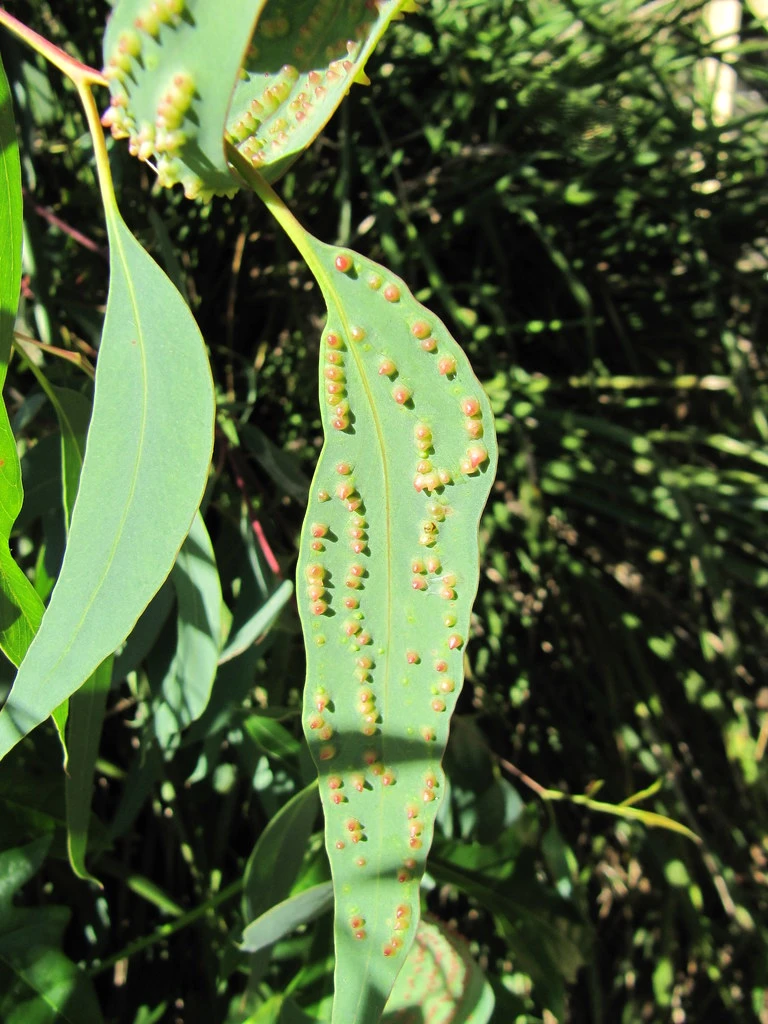
Gum trees, also known as eucalypts, are iconic Australian natives that play a vital role in the landscape, ecology, and culture of the country. From suburban streets to bushland reserves, they provide shelter for wildlife, shade for people, and visual beauty for all to enjoy. However, many gum trees are under threat from a condition known as dieback—a progressive decline in health that can lead to the death of individual trees or even entire stands.
What Is Gum Tree Dieback?
Dieback refers to the gradual decline in health of a tree, starting from the tips of its branches and progressing inward. This condition can affect one or many trees and is not a disease itself but rather a symptom of underlying issues. In gum trees, dieback is a serious problem that may result in branch drop, crown thinning, and eventual tree death if not addressed.
Dieback can occur due to a single cause or a combination of environmental, biological, and human-induced stress factors, making diagnosis and management challenging.
Causes of Gum Tree Dieback
Understanding the cause is the first step in managing gum tree diseases. The most common contributing factors include:
1. Phytophthora Root Rot (Phytophthora cinnamomi)
A major culprit of dieback in Australia, Phytophthora is a waterborne soil pathogen that attacks the roots of plants, impairing their ability to take up water and nutrients. Once infected, gum trees show signs of stress and decline. This pathogen thrives in wet soils and spreads easily through water run-off, tools, footwear, and vehicles.
2. Environmental Stress (Drought, Waterlogging, Soil Compaction)
Extreme drought or prolonged waterlogging can place significant stress on gum trees. As climate change increases the frequency of severe weather events, gum trees may struggle to adapt. Soil compaction, often due to foot traffic, vehicles, or construction, can limit root access to oxygen and water.
3. Pests and Insects
Certain pests, such as the longhorn borer and lerps (psyllids), can exacerbate dieback by damaging vascular tissues or sap-sucking nutrients from leaves. When trees are already stressed, they become more susceptible to pest infestations.
4. Fungal Diseases
In addition to Phytophthora, other fungi like Armillaria (honey fungus) and Cytospora canker can invade stressed or wounded trees, hastening dieback.
5. Urban Development and Soil Disturbance
Tree roots are extremely sensitive to soil disturbance. Digging, trenching, or altering soil levels can harm roots and reduce a tree's ability to anchor itself and absorb nutrients. In urban environments, these factors contribute significantly to dieback.
6. Air Pollution and Chemical Exposure
Exposure to herbicides, pesticides, or industrial pollutants can damage tree tissues. Even something as common as glyphosate used near the base of a tree can impact root health.
Symptoms of Dieback in Gum Trees
Early detection is key to treating dieback effectively. Keep an eye out for these warning signs:
1. Leaf Discoloration or Drop
- Leaves may yellow, brown, or curl
- Unseasonal or excessive leaf drop is common
- New foliage may fail to develop properly
2. Crown Thinning
One of the hallmark signs of dieback is a sparse or thinning canopy, where you can see more sky than foliage through the tree's crown.
3. Dead or Dying Branch Tips
Dieback typically begins at the ends of branches. Dead twigs or branches with no new growth indicate advanced stages.
4. Epicormic Shoots
These are shoots that emerge directly from the trunk or major branches as the tree tries to compensate for its declining health. While this is a survival strategy, it's also a sign of stress.
5. Cracking, Cankers, or Fungal Growth on Trunk
Fungal bodies, bark splitting, or oozing sap may indicate internal rot or infection.
6. Sudden Limb Drop
In extreme cases, large branches may suddenly fall—known as summer branch drop—which poses a serious safety risk.
Treatment Options for Gum Tree Dieback
While not all cases of dieback are reversible, early intervention can significantly improve outcomes. Here are the gum tree treatment and management strategies:
1. Improve Soil and Water Conditions
- Ensure proper drainage around the root zone
- Apply organic mulch (away from the trunk) to retain soil moisture and improve structure
- Avoid overwatering and ensure the tree is not sitting in waterlogged soil
2. Fungicide Treatment for Phytophthora
If Phytophthora is confirmed, phosphite injections or foliar sprays may help slow disease progression. These treatments need to be administered by a qualified arborist and repeated regularly.
3. Pest and Disease Control
- Use horticultural oils or insecticides to manage psyllid infestations
- Remove infected branches and dispose of them properly to reduce fungal spread
- Ensure proper sanitation of tools when pruning
4. Minimise Soil Disturbance
Avoid construction, trenching, or heavy machinery use around the root zone. Where unavoidable, use root protection zones and trenching techniques that avoid major roots.
5. Nutrient Support
Apply a balanced, slow-release fertiliser or compost tea to support recovery. However, fertilisers should not be overused, as excess nitrogen can further stress the tree.
6. Pruning and Structural Support
- Remove dead or hazardous branches with correct pruning practices
- Avoid topping or over-pruning, as this stresses the tree
- Consider installing cabling or bracing systems for structurally compromised limbs
7. Professional Arborist Assessment
If symptoms persist or are severe, consult a qualified arborist or plant pathologist. They can perform root inspections, soil tests, and disease identification to recommend the best course of action.
Can Dieback Be Prevented?
Prevention is always better than cure. Here are a few tips to help protect your gum trees:
- Regularly inspect trees for early signs of decline
- Plant resilient native species adapted to your soil and climate
- Maintain healthy soil with organic matter and mulching
- Manage water effectively — neither drought nor waterlogging is ideal
- Avoid unnecessary soil compaction and root disturbance
In conservation areas, it’s important to follow biosecurity practices to limit the spread of pathogens like Phytophthora, such as cleaning shoes, tools, and vehicles before and after entering sensitive bushland.
Conclusion
Gum tree dieback is a complex issue influenced by environmental stress, pathogens, pests, and human activities. Recognising the early symptoms, understanding the underlying causes, and applying targeted treatment strategies can significantly improve the chances of saving affected trees.
Whether you’re a homeowner with a cherished backyard eucalypt or a land manager responsible for bushland health, taking action early is the key to preserving these iconic trees for generations to come.