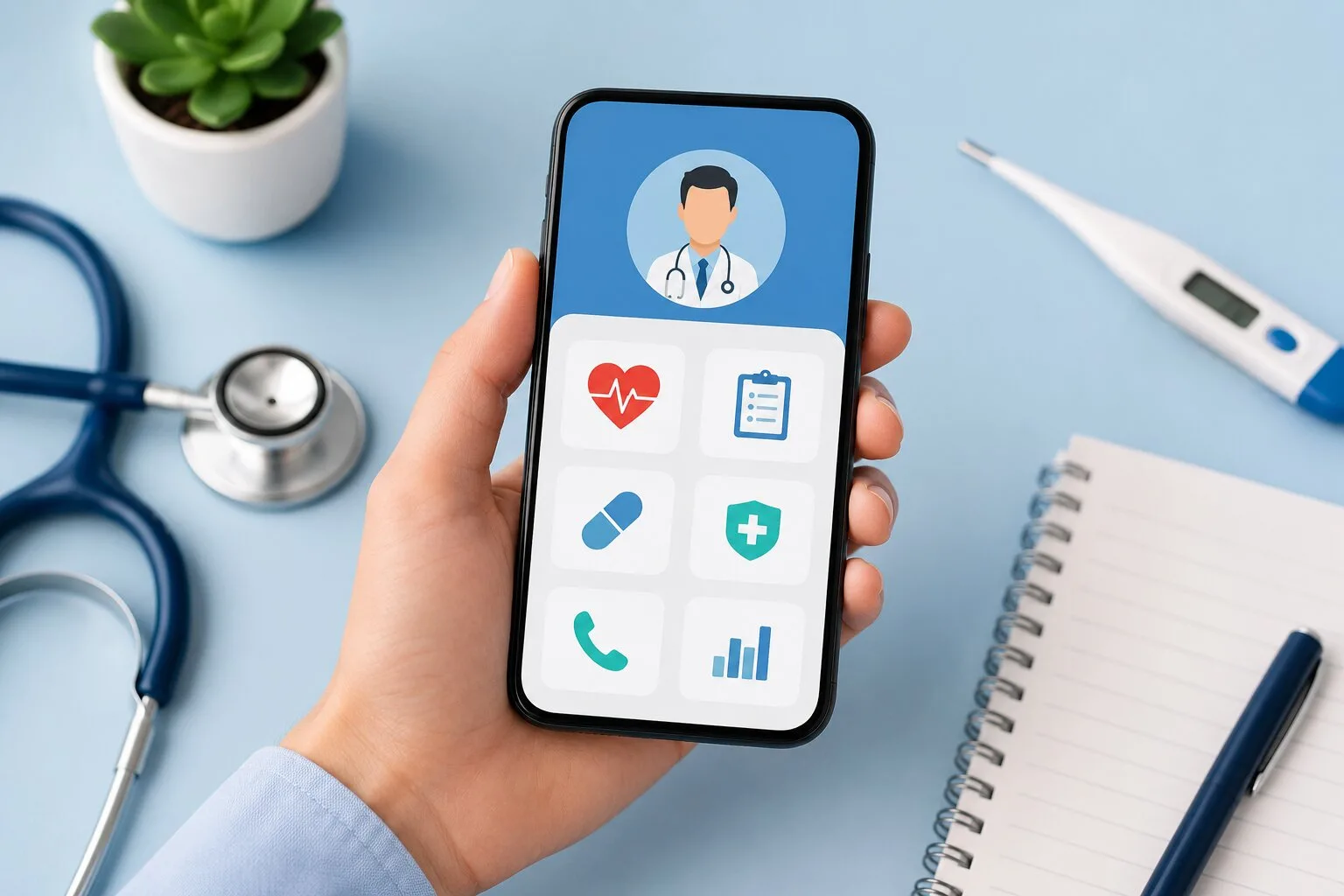
The healthcare industry is rapidly evolving as digital technologies reshape the way medical services are delivered. Mobile applications have become essential tools for healthcare providers seeking to improve patient care, increase accessibility, and streamline operations. From telemedicine consultations to remote patient monitoring, healthcare apps are helping organizations provide more efficient and personalized services.
However, simply developing a healthcare app is not enough. To achieve meaningful improvements in patient outcomes, healthcare organizations must adopt effective development strategies that focus on user needs, accessibility, security, and engagement. A well-designed healthcare application can empower patients, improve communication with providers, and support better health management. This article explores key healthcare mobile app development strategies that contribute to better patient outcomes and long-term healthcare success.
Prioritize User-Centered Design
One of the most important strategies in healthcare mobile app development is creating a user-centered design. Healthcare applications serve a diverse audience that includes patients, doctors, caregivers, and administrative staff. Each user group has unique requirements and varying levels of technical expertise.
A user-friendly interface makes it easier for patients to access healthcare services, schedule appointments, review medical records, and communicate with healthcare providers. Simple navigation, clear instructions, and intuitive layouts reduce confusion and encourage consistent app usage.
Accessibility features such as adjustable text sizes, voice assistance, and multilingual support can further improve the user experience. When patients can easily navigate an app and access critical information, they are more likely to stay engaged in managing their health.
Enable Seamless Communication Between Patients and Providers
Effective communication is critical for delivering quality healthcare. Mobile applications should include features that allow patients and healthcare professionals to interact quickly and efficiently.
Secure messaging systems, video consultations, appointment reminders, and automated notifications help maintain continuous communication. Patients can ask questions, receive follow-up instructions, and discuss treatment plans without needing in-person visits for every concern.
Timely communication helps prevent misunderstandings, improves adherence to treatment plans, and enables faster medical intervention when necessary. Strong communication channels contribute significantly to better patient outcomes and overall satisfaction.
Partner with a Reliable Healthcare Mobile App Development Company
Choosing the right healthcare mobile app development company is a critical step in building a successful healthcare solution. Experienced development partners understand the unique challenges of the healthcare industry, including regulatory compliance, data security, interoperability, and patient privacy requirements.
A professional healthcare mobile app development company can help healthcare organizations identify essential features, select appropriate technologies, and create scalable applications that support future growth. Their expertise ensures that the application is designed with patient needs in mind while maintaining compliance with healthcare standards.
By working with experienced developers, healthcare providers can reduce development risks, improve application quality, and deliver a more reliable experience that positively impacts patient care.
Integrate Telemedicine Capabilities
Telemedicine has become one of the most valuable healthcare innovations in recent years. Patients increasingly expect convenient access to healthcare services without the need for travel or long waiting times.
Healthcare apps should include telemedicine features such as video consultations, virtual appointments, online prescriptions, and remote follow-up care. These capabilities expand access to healthcare services, particularly for patients in rural or underserved areas.
Telemedicine improves healthcare accessibility while reducing operational burdens on healthcare facilities. It enables patients to receive timely medical advice, resulting in earlier diagnosis and more effective treatment.
Utilize Remote Patient Monitoring
Remote patient monitoring allows healthcare providers to track patient health data outside traditional clinical settings. Mobile applications integrated with wearable devices and connected medical equipment can collect valuable information such as heart rate, blood pressure, glucose levels, oxygen saturation, and physical activity.
This real-time data helps healthcare professionals identify potential health concerns before they become serious. Early detection enables proactive intervention, reducing hospital admissions and improving chronic disease management.
Patients also benefit from greater awareness of their health conditions and can take a more active role in managing their wellness. Continuous monitoring creates opportunities for personalized care and improved treatment outcomes.
Strengthen Data Security and Privacy
Healthcare applications handle highly sensitive patient information. Protecting this data is essential for maintaining patient trust and ensuring regulatory compliance.
Strong security measures should include end-to-end encryption, multi-factor authentication, secure cloud storage, and role-based access controls. Developers must also ensure compliance with relevant healthcare regulations and privacy standards.
Patients are more likely to engage with healthcare applications when they feel confident that their personal information is secure. Robust security practices help prevent data breaches while supporting long-term user trust and adoption.
Leverage Artificial Intelligence and Analytics
Artificial intelligence (AI) is transforming healthcare by providing advanced tools for diagnosis, treatment recommendations, and predictive analytics. Integrating AI-powered features into healthcare applications can significantly improve patient outcomes.
AI can analyze patient data to identify health risks, suggest personalized treatment plans, and provide symptom assessments. Chatbots and virtual health assistants can also offer immediate support and answer common healthcare questions.
Analytics tools help healthcare organizations monitor user behavior, treatment effectiveness, and patient engagement. These insights enable continuous improvement of healthcare services and application performance.
Encourage Patient Engagement and Self-Management
Patient engagement plays a major role in achieving positive health outcomes. Healthcare apps should include features that motivate patients to actively participate in their care.
Medication reminders, wellness tracking, fitness monitoring, educational resources, and personalized health goals encourage users to take responsibility for their health. Gamification features such as achievement badges and progress tracking can further increase engagement.
When patients remain actively involved in managing their health, they are more likely to follow treatment plans, attend appointments, and maintain healthy habits. This leads to improved long-term outcomes and greater patient satisfaction.
Ensure Scalability and Future Readiness
Healthcare technology continues to evolve rapidly. Applications should be designed with scalability in mind to accommodate future growth and changing healthcare requirements.
Cloud-based infrastructure, modular architecture, and API integrations allow healthcare organizations to add new features and services without major disruptions. Future-ready applications can easily integrate emerging technologies such as AI, IoT devices, and advanced analytics tools.
A scalable healthcare application ensures long-term value while supporting ongoing improvements in patient care.
Conclusion
Healthcare mobile applications have become essential tools for improving patient outcomes, enhancing communication, and expanding access to medical services. By focusing on user-centered design, telemedicine, remote monitoring, data security, AI integration, and patient engagement, healthcare organizations can create digital solutions that deliver measurable healthcare benefits.
Successful healthcare mobile app development requires careful planning, industry expertise, and a commitment to patient-focused innovation. As healthcare continues its digital transformation journey, organizations that invest in advanced mobile solutions will be better positioned to provide high-quality care and improve patient experiences. Much like a mobile development company Bangalore helps businesses create innovative digital products for competitive markets, healthcare app development strategies can empower providers to deliver better care and achieve stronger patient outcomes.