The healthcare landscape in the United States is rapidly evolving, with technology playing a central role in improving patient care and operational efficiency. Among the most impactful innovations is healthcare monitoring, which enables continuous tracking of patient health data and supports proactive, data-driven care. As hospitals and healthcare providers strive to reduce risks and enhance outcomes, monitoring solutions have become an essential part of modern healthcare systems.
From real-time vital tracking to remote patient monitoring, healthcare monitoring is transforming how care is delivered. It not only improves patient safety but also empowers providers to make informed decisions, streamline workflows, and deliver personalized care.
Understanding Healthcare Monitoring in Modern Healthcare
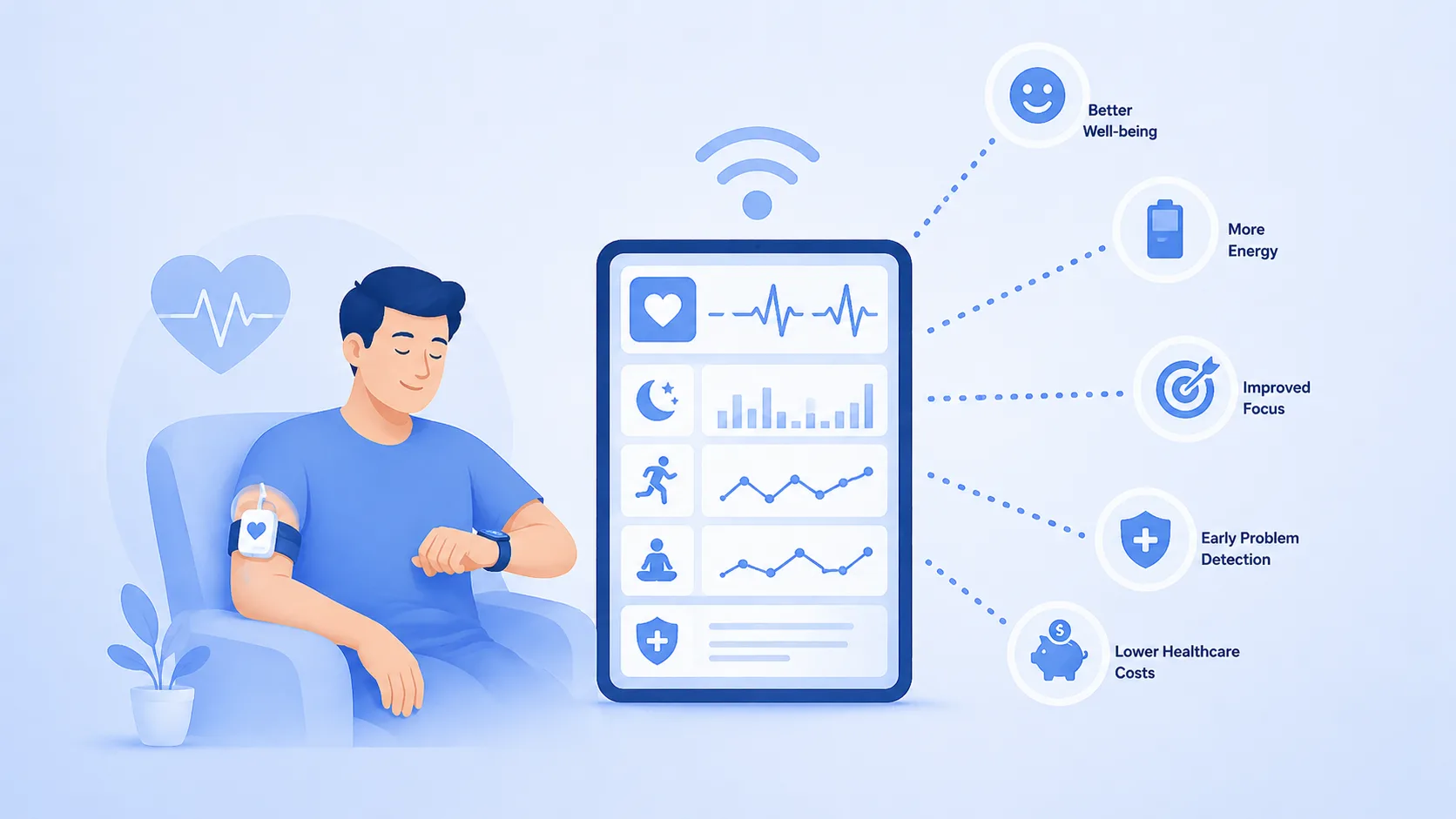
Healthcare monitoring refers to the use of digital tools, wearable devices, and software systems to continuously track patient health metrics.
Evolution of Monitoring Technologies
Traditional monitoring methods relied on in-hospital equipment and periodic assessments. Today, healthcare monitoring allows real-time tracking of vital signs such as heart rate, blood pressure, oxygen levels, and activity patterns from anywhere.
Integration with Digital Systems
Modern monitoring solutions are integrated with electronic health records (EHR) and cloud-based platforms. This ensures that patient data is accessible, accurate, and available for analysis at any time.
Enhancing Patient Safety Through Continuous Monitoring
Patient safety is a top priority for healthcare providers, and monitoring technology plays a critical role in achieving this goal.
Real-Time Alerts and Notifications
Continuous tracking enables healthcare professionals to receive instant alerts when a patient’s condition changes. This allows for immediate intervention and reduces the risk of complications.
Reducing Medical Errors
Accurate and automated data collection through healthcare monitoring minimizes the chances of human error, ensuring that healthcare providers have reliable information for decision-making.
Improving Clinical Outcomes with Data-Driven Insights
Data is at the core of modern healthcare, and monitoring systems generate valuable insights that improve clinical outcomes.
Early Detection of Health Issues
Continuous monitoring helps identify potential health risks before they become serious. For example, abnormal heart rates or changes in oxygen levels can signal underlying conditions.
Personalized Treatment Plans
With the help of healthcare monitoring, healthcare providers can analyze patient data and tailor treatment plans to individual needs, leading to better outcomes and faster recovery.
Supporting Remote Patient Care
Remote care has become an essential component of healthcare, especially for patients with chronic conditions or limited mobility.
Expanding Access to Healthcare
Patients in rural or underserved areas can receive quality care without traveling long distances. Healthcare monitoring enables providers to track patient health remotely and provide timely support.
Continuous Care Beyond Hospitals
Monitoring solutions ensure that patients remain under medical supervision even after discharge, reducing the risk of readmissions and improving recovery.
Enhancing Chronic Disease Management
Chronic diseases require ongoing monitoring and management to prevent complications.
Daily Health Tracking
Patients can use wearable devices and mobile apps to track their health metrics regularly. This data is shared with healthcare providers for continuous evaluation.
Proactive Care Approach
By leveraging healthcare monitoring, providers can identify trends and intervene early, preventing disease progression and improving quality of life for patients.
Boosting Patient Engagement and Participation
Engaged patients are more likely to follow treatment plans and achieve better health outcomes.
Empowering Patients with Data
Monitoring tools provide patients with insights into their health, encouraging them to take an active role in their care.
Improved Communication
Patients can share their data with healthcare providers and receive feedback in real time. Healthcare monitoring facilitates better communication and strengthens the patient-provider relationship.
Streamlining Healthcare Operations
Monitoring technology not only benefits patients but also improves operational efficiency for healthcare providers.
Reducing Administrative Workload
Automated data collection eliminates the need for manual documentation, saving time and reducing errors.
Optimizing Resource Utilization
Healthcare providers can use insights from healthcare monitoring to allocate resources more effectively, improving overall efficiency.
Leveraging Advanced Technologies in Monitoring
The integration of advanced technologies is enhancing the capabilities of healthcare monitoring systems.
Artificial Intelligence and Predictive Analytics
AI-powered systems analyze patient data to predict potential health risks and recommend preventive measures.
Internet of Things (IoT) Devices
Connected devices enable real-time data collection and seamless communication between patients and providers. Healthcare monitoring systems leverage IoT to enhance accuracy and efficiency.
Ensuring Data Security and Compliance
With the increasing use of digital monitoring systems, data security is a critical concern.
Protecting Patient Information
Advanced encryption and secure data storage ensure that sensitive patient data is protected from unauthorized access.
Compliance with Regulations
Healthcare providers must comply with regulations such as HIPAA. Reliable healthcare monitoring solutions are designed to meet these requirements and maintain data integrity.
Reducing Healthcare Costs
Cost management is a significant challenge in the U.S. healthcare system.
Preventing Hospital Readmissions
Continuous monitoring helps detect issues early, reducing the need for repeated hospital visits.
Improving Efficiency
By automating processes and optimizing workflows, healthcare monitoring reduces operational costs and improves financial performance.
Enabling Scalable and Future-Ready Healthcare Systems
As healthcare demands continue to grow, scalability becomes essential.
Flexible Monitoring Solutions
Modern monitoring systems are designed to scale with the organization, supporting increased patient volumes and expanding services.
Adapting to Technological Advancements
Healthcare monitoring systems can integrate with emerging technologies, ensuring that healthcare providers remain future-ready.
Gaining Competitive Advantage in Healthcare
Healthcare organizations must differentiate themselves by offering advanced services and better patient experiences.
Delivering High-Quality Care
Monitoring solutions enable providers to offer faster, more accurate, and personalized care.
Building Trust and Reputation
Organizations that adopt healthcare monitoring technologies are seen as innovative and reliable, attracting more patients and improving brand reputation.
Conclusion
Healthcare monitoring is transforming the way patient care is delivered in the United States. By enabling continuous tracking, real-time insights, and proactive interventions, it significantly improves patient safety and outcomes.
From enhancing chronic disease management and supporting remote care to reducing costs and improving operational efficiency, the benefits of healthcare monitoring are extensive. As technology continues to evolve, monitoring solutions will play an even greater role in shaping the future of healthcare.
For healthcare providers looking to generate leads, drive traffic, and stay competitive, investing in advanced monitoring systems is a strategic decision. By embracing this technology, organizations can deliver better care, improve patient satisfaction, and achieve long-term success in an increasingly digital healthcare environment.