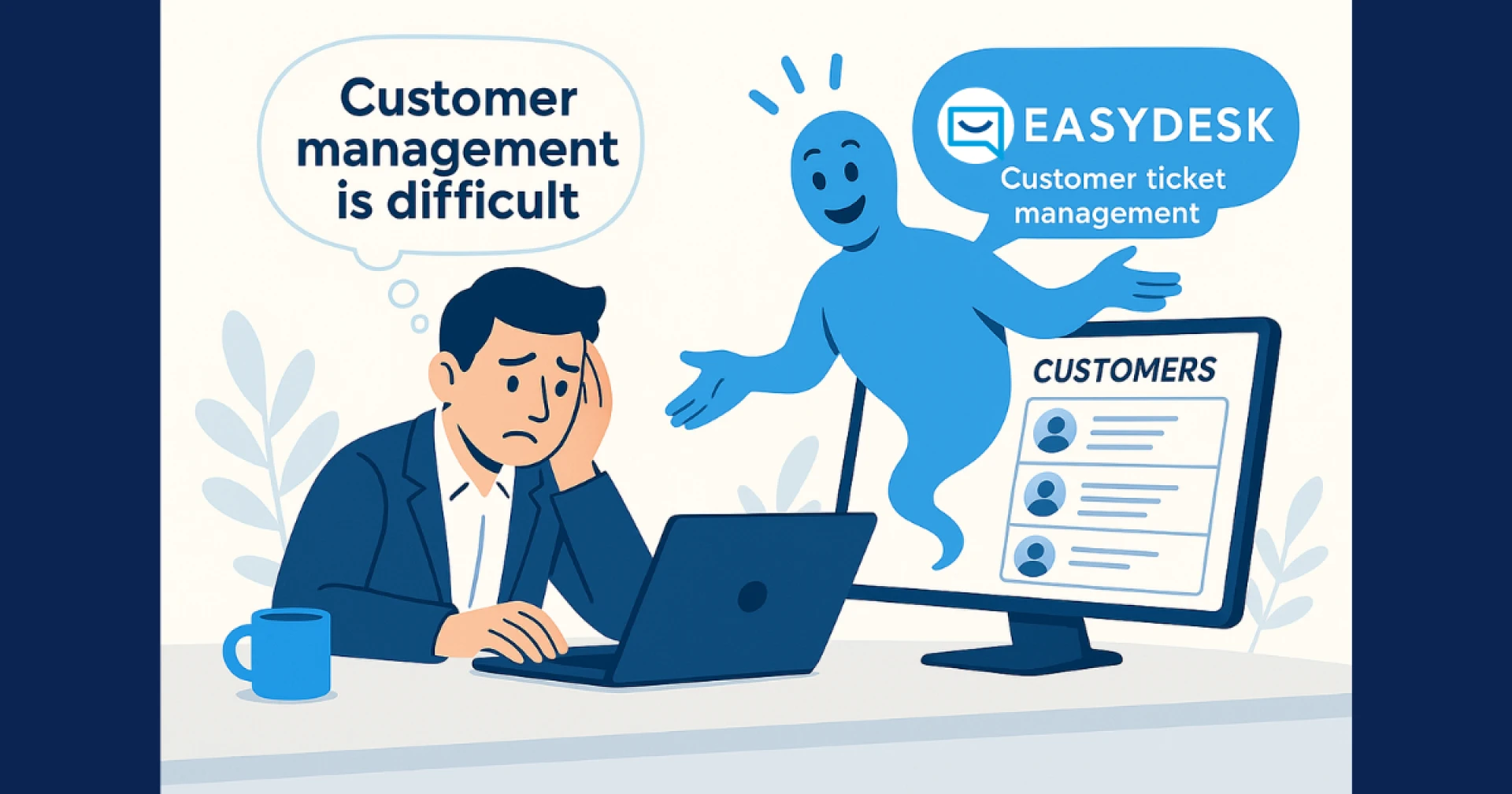
Delivering great customer support isn’t easy. Emails pile up, chat messages get lost, and phone calls overlap with social media requests. Before you know it, your team is overwhelmed and customers are frustrated.
That’s exactly where help desk software can change the game. It organizes every customer interaction into one system, making support easier, faster, and far more reliable.
If you’re considering investing in help desk software—or simply want to understand it better—this guide covers everything: what it is, why it matters, must-have features, pricing, and how to choose the best solution.
What Is Help Desk Software?
Help desk software is a platform that centralizes customer service requests. Each request—whether it comes via email, phone, live chat, or social media—turns into a trackable “ticket.”
From there, your support team can assign tasks, monitor progress, and resolve issues without missing a beat.
In short: it’s the backbone of modern customer support.
Why Businesses Rely on Help Desk Software
Support teams today face increasing pressure to respond quickly and keep customers happy. Without a proper system, things slip through the cracks. Here’s how help desk software helps:
- Centralizes communication – No more scattered messages.
- Faster response times – Automatic routing reduces delays.
- Boosts customer satisfaction – Consistent, reliable replies build trust.
- Team collaboration – Everyone knows who’s working on what.
- Scales with your business – From small startups to large enterprises.
It’s not just about fixing problems—it’s about building strong, lasting customer relationships.
Must-Have Features
When evaluating solutions, keep an eye out for these essentials:
- Ticket Management – Tracks issues from start to finish.
- Multi-Channel Support – Emails, chats, calls, and social DMs in one dashboard.
- Automation – Prioritizes and assigns tickets automatically.
- Knowledge Base – Self-service resources for customers.
- Analytics & Reports – Measure response times and customer satisfaction.
- Integrations – Works with your CRM, chat apps, and other tools.
These features ensure efficiency while keeping support simple.
Cloud vs On-Premise: What’s Better?
Help desk software usually comes in two formats:
- Cloud-Based – Easy to set up, no IT headaches, and accessible from anywhere.
- On-Premise – Installed on your own servers, with more customization but higher costs.
For most modern businesses, cloud-based help desk software is the smarter, more flexible choice.
How Much Does Help Desk Software Cost?
Pricing varies depending on the features and team size. Here’s a quick breakdown:
- Free Plans – Great for startups or testing. Many begin with free help desk software.
- Entry-Level Plans – Around $10–$30 per agent per month. Includes ticketing, automation, and reporting basics.
- Advanced Plans – For bigger teams needing AI features, advanced analytics, or custom integrations.
For a detailed overview, explore help desk software pricing.
Why Simple Help Desk Software Wins
Bigger isn’t always better. Some platforms overload teams with unnecessary complexity. The smarter move? Choosing simple help desk software that covers your needs without overwhelming staff.
Benefits of simplicity include:
- Quick setup and onboarding.
- Clean, user-friendly interface.
- Lower costs with room to scale.
- Higher adoption rates by your team.
Efficiency matters more than flashy extras.
How to Choose the Right Tool
Picking the right software doesn’t have to be stressful. Follow these steps:
- Identify needs – Do you just need ticketing, or also live chat and automation?
- Review budget – Check different help desk software pricing tiers.
- Test first – Start with free help desk software before committing.
- Check integrations – Ensure it works with your CRM and workflows.
- Plan ahead – Choose something scalable for long-term growth.
Common Mistakes to Avoid
When choosing software, businesses often trip up by:
- Paying for features they don’t need.
- Skipping free trials and demos.
- Selecting overly complex platforms that frustrate staff.
- Forgetting scalability for future growth.
Avoid these, and your choice becomes much easier.
Final Thoughts
Customer service isn’t just about solving issues—it’s about building trust and loyalty. The right help desk software makes that possible by streamlining communication, boosting team productivity, and ensuring customers always feel heard.
Whether you try free help desk software, compare help desk software pricing, or go for simple help desk software, the key is finding a balance between usability and power.
Investing in the right tool today sets your business up for happier customers tomorrow.