
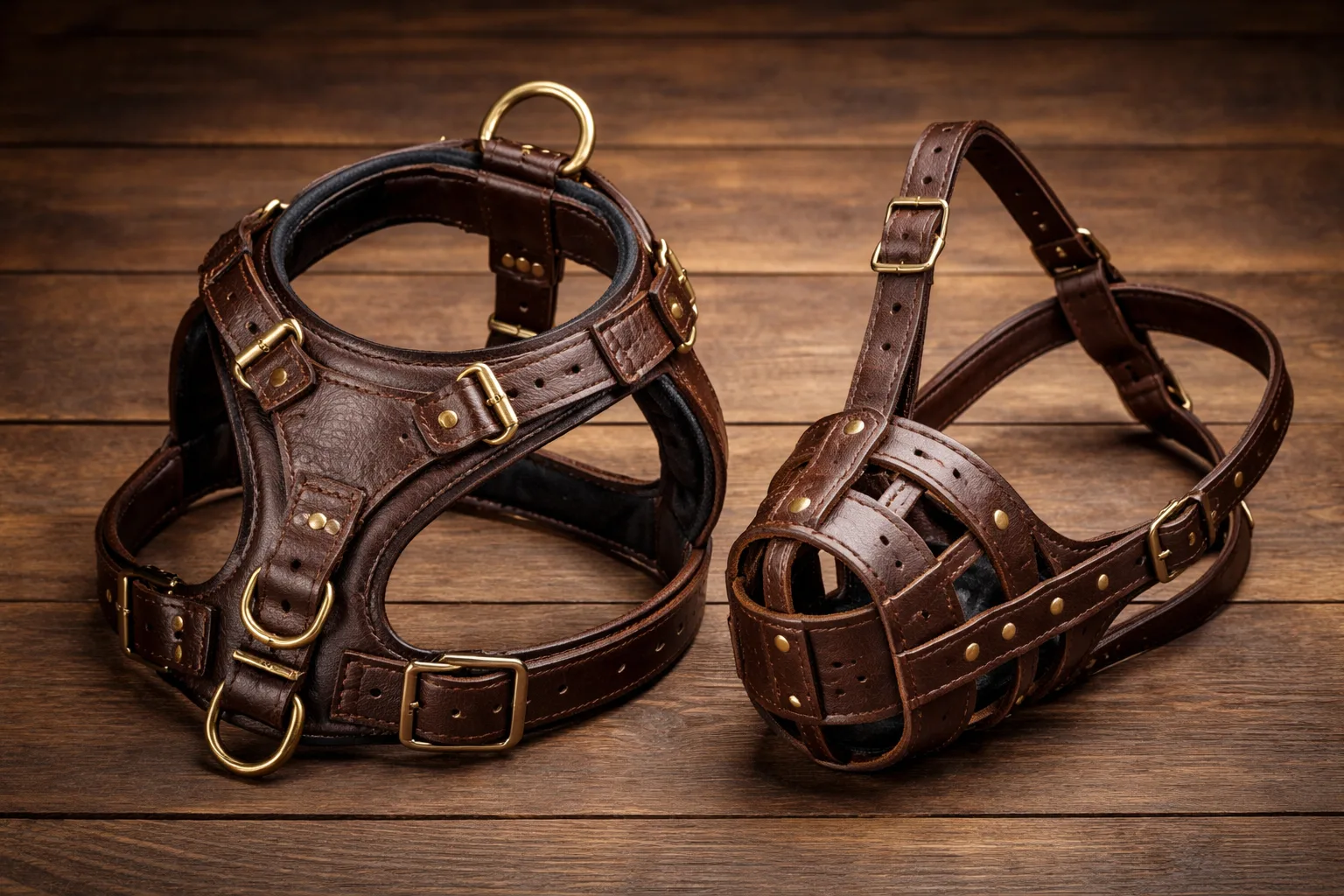
Training a dog requires patience, consistency, and the right equipment. Whether you are working with a young puppy, a large working breed, or a dog that needs behavioral correction, proper gear can make a significant difference. Professional trainers often rely on specialized equipment that improves safety and communication between the handler and the dog. Two commonly used tools that help achieve better control during training are the tactical dog harness and the leather dog muzzle. When used correctly, these training aids can improve handling, safety, and overall training results.
The Importance of Control in Dog Training
Control is a key element of successful dog training. Dogs are naturally curious and energetic animals, and without proper guidance they may develop unwanted behaviors such as pulling on the leash, jumping, or reacting aggressively toward other animals. Effective control helps the handler maintain authority while ensuring the dog remains safe in different environments.
Training equipment is designed to assist in guiding a dog’s movement and behavior without causing harm or unnecessary stress. Tools that distribute pressure properly and allow the handler to guide the dog gently are often preferred by professional trainers and working dog handlers.
Benefits of Using a Tactical Dog Harness
A tactical dog harness is designed for durability, control, and comfort. Originally developed for working dogs such as police, military, and search-and-rescue dogs, this type of harness is now widely used by trainers and pet owners who want better control during walks and training sessions.
One of the main advantages of this harness is its strong and secure design. It is typically made from heavy-duty materials that can handle the strength of powerful breeds. The harness distributes pressure evenly across the dog's chest and shoulders rather than placing strain on the neck, making it safer than traditional collars for many dogs.
Another important feature is improved handling. Many tactical harnesses include reinforced handles that allow the handler to quickly guide or restrain the dog when needed. This is particularly helpful during advanced training sessions, crowded environments, or situations where immediate control is necessary.
Tactical harnesses also provide multiple attachment points for leashes. This allows trainers to use different leash positions depending on the type of training being conducted. For example, a front attachment point can help discourage pulling, while a back attachment can be used for regular walking or tracking activities.
Comfort is another benefit. High-quality harnesses are designed with padded interiors and adjustable straps to ensure a secure yet comfortable fit. This allows dogs to move naturally while still giving the handler control.
How a Leather Dog Muzzle Supports Safe Training
A leather dog muzzle is another important piece of equipment used during specific training situations. While some people associate muzzles with aggressive dogs, professional trainers understand that muzzles are often used as safety tools rather than punishment devices.
A well-designed leather muzzle allows the dog to breathe, pant, and drink water while preventing biting during training sessions. This makes it useful for situations where a dog may feel stressed, fearful, or overly reactive.
Leather muzzles are known for their durability and comfort. Unlike some rigid materials, leather can adapt to the shape of the dog's snout over time, creating a better fit. The material is also strong enough to withstand pressure while remaining flexible enough to prevent discomfort.
Using a muzzle during training can protect both the handler and the dog. Trainers may use muzzles when introducing dogs to new environments, socializing reactive dogs, or conducting behavioral rehabilitation. The muzzle creates a safe environment where the dog can learn new behaviors without posing a risk to others.
Combining Both Tools for Better Training Results
When used together, these two pieces of equipment can significantly improve training control and safety. The harness allows the handler to guide the dog’s movement, while the muzzle provides protection in situations where biting could occur.
For example, during behavioral training sessions with reactive dogs, the harness provides physical control while the muzzle ensures safety. This combination allows trainers to focus on correcting behavior without the constant concern of potential injury.
Handlers working with large or powerful breeds also benefit from this setup. Strong dogs can sometimes overpower traditional collars, but a harness provides better leverage and handling control. The muzzle adds an extra layer of security, especially when training around unfamiliar people or animals.
Proper Use and Training Considerations
While these tools are highly effective, proper introduction and use are essential. Dogs should be gradually introduced to new equipment so they can become comfortable wearing it. Positive reinforcement techniques such as treats and praise help create a positive association with the gear.
The equipment should always fit correctly. A poorly fitted harness or muzzle can cause discomfort and may interfere with the dog’s movement or breathing. Adjustable straps and proper sizing ensure the dog remains comfortable during training.
Handlers should also remember that training tools are only aids, not replacements for proper training techniques. Consistent commands, patience, and positive reinforcement remain the foundation of effective dog training.
Choosing Quality Training Equipment
Investing in high-quality training equipment can make a noticeable difference in the effectiveness of training sessions. Durable materials, strong stitching, and ergonomic designs ensure the gear will last while keeping the dog comfortable and secure.
Professional trainers often recommend equipment that is designed specifically for training purposes rather than basic pet accessories. Quality gear provides better control, reliability, and safety during both everyday walks and advanced training exercises.
Conclusion
Successful dog training requires the right balance of technique, patience, and equipment. Tools designed for control and safety can help trainers guide dogs more effectively while minimizing risk. A tactical dog harness provides improved handling, durability, and comfort, while a leather dog muzzle offers protection during sensitive training situations. When used responsibly and paired with positive training methods, these tools can greatly enhance control and help both dogs and handlers achieve better training outcomes.