Design plays a pivotal role in the success of a product, and here’s how:
1. First Impressions Matter
When users encounter a product for the first time, design is often the first thing they notice. A visually appealing and well-crafted design can create a positive first impression, making users more likely to explore further. If a product looks good, it signals quality and professionalism.
2. User Experience (UX)
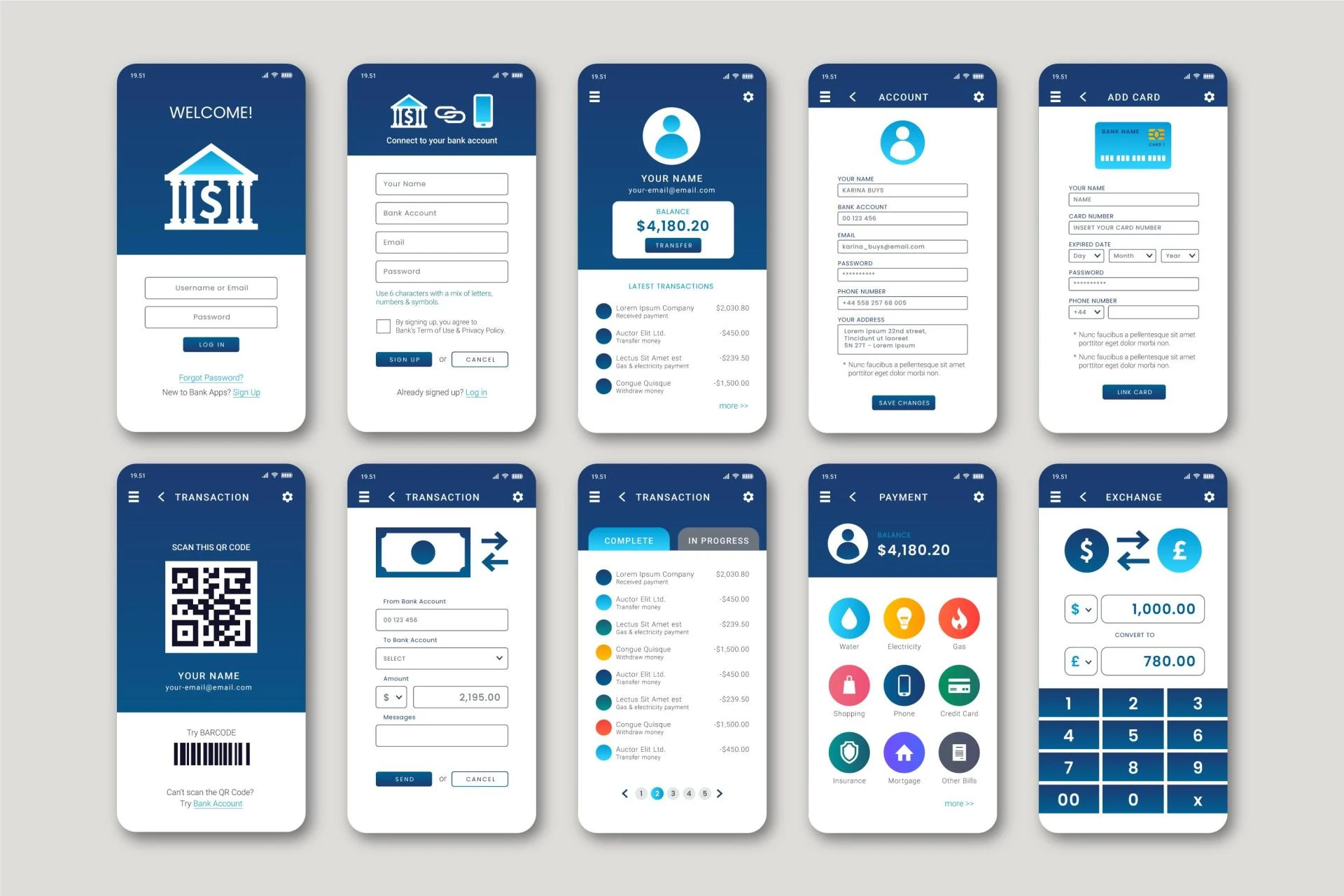
Good design focuses on user experience, ensuring that the product is intuitive and easy to use. When users can navigate a product effortlessly, they are more likely to engage with it and find value in it. A seamless experience reduces frustration and increases satisfaction, which can lead to higher retention rates.
3. Brand Identity
Design is a powerful tool for establishing and communicating brand identity. Consistent design elements—like colors, typography, and imagery—help create a recognizable brand presence. A strong brand identity fosters trust and loyalty among users, making them more likely to choose your product over competitors.
4. Differentiation in the Market
In a crowded marketplace, design can set a product apart from its competitors. Unique and innovative designs can capture attention and make a product memorable. This differentiation is crucial for standing out in a sea of similar offerings.
5. Emotional Connection
Design has the ability to evoke emotions and create connections with users. Thoughtful design can resonate with users on a personal level, leading to stronger relationships with the product. When users feel an emotional connection, they are more likely to become advocates for the brand.
6. Functionality and Usability
Effective design ensures that a product not only looks good but also functions well. It addresses user needs by providing features that enhance usability. When users find a product functional and easy to use, they are more likely to recommend it to others.
7. Feedback and Iteration
Good design incorporates user feedback into its development process. By continuously iterating based on user input, designers can refine the product to better meet user needs. This adaptability is essential for long-term success as it keeps the product relevant.
8. Increased Conversion Rates
In digital products, design directly impacts conversion rates. Well-designed landing pages with clear calls-to-action (CTAs) guide users toward desired actions—like signing up or making a purchase—making it easier for them to convert.
9. Accessibility
Inclusive design ensures that products are usable by people of all abilities and backgrounds. By prioritizing accessibility, companies can reach a wider audience and demonstrate social responsibility, which can enhance their reputation.
In summary, design is not just about aesthetics; it’s about creating meaningful experiences that resonate with users. It influences every aspect of how people interact with a product—from first impressions to long-term loyalty. When done right, good design contributes significantly to the overall success of a product by enhancing usability, building brand identity, differentiating in the market, and fostering emotional connections with users.