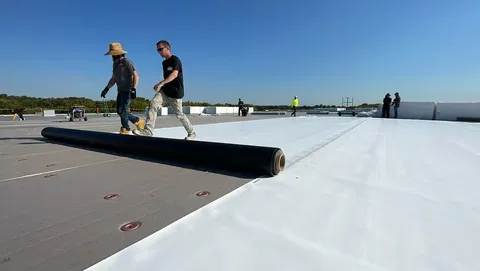
Qualified membrane roofers in Medford improve commercial roof durability by installing continuous, water-resistant barriers that handle the Rogue Valley temperature swings. These professionals use heat welding techniques to fuse sheets of material together, creating a single, continuous shield over a building. This process eliminates the gaps found in traditional roofing, which are the primary spots where leaks start.
This guide explains how specific materials and installation methods extend the life of a commercial property. It covers the benefits of reflective surfaces and why proper drainage is the most important factor for success. Experts in the field understand that a roof is more than just a cover. It's a system that protects business assets. With decades of combined experience in local weather patterns, these professionals apply proven methods to ensure the investment lasts for twenty years or more.
The Strength of Heat-Welded Seams in Commercial Systems
Durability starts with how the sheets of material connect. Most commercial leaks occur at the seams where two pieces of roofing meet. Experienced membrane roofers use high-temperature air tools to weld these seams together. This creates a bond that's stronger than the membrane itself.
Unlike older roofs that rely on glue or tape, heat-welded seams don't dry out or peel over time. This is especially important in Medford, where summer heat can reach over 100 degrees. High heat often causes adhesives to fail, but a welded seam stays intact. The effectiveness of these welds depends on the specific chemical properties of the material used in the system.
Selecting the Right Material for Southern Oregon Weather
The type of material chosen affects how long a roof stays in good shape. TPO and PVC are the most common choices for modern businesses, though some structures utilize EPDM rubber for specific requirements. These materials are flexible, which allows them to expand and contract as the temperature changes throughout the day.
Market data shows that TPO is now the fastest-growing segment in the commercial industry. This is because it offers a balance of cost and performance. In the local area, the ability to reflect sunlight is a major factor in preventing material breakdown.
Bonus Tip: Choose a thicker membrane, such as 60 or 80 mil, for areas that expect high foot traffic or have lots of HVAC equipment. The extra thickness provides a better defense against accidental punctures.
Why Reflective Surfaces Prevent Material Cracking
Standard dark roofs soak up heat from the sun. This heat causes the internal structure of the roof to age faster. Local membrane roofers focus on installing white or light-colored membranes that reflect up to 85% of solar radiation.
When a roof stays cool, the chemicals inside the material don't break down as quickly. This prevents the surface from becoming brittle and cracking. A cooler roof also reduces the heat load on a building, which helps cooling systems last longer.
Comparing Popular Membrane Roofing Solutions
Different buildings have different needs. The following table compares common materials used by a professional membrane roofing contractor to help a building owner understand which fits a structure.
FeatureTPO (Thermoplastic Polyolefin)PVC (Polyvinyl Chloride)EPDM (Rubber)Seam MethodHeat WeldedHeat WeldedTape or GlueChemical ResistanceGoodExcellentFairReflectivityVery HighHighLow (unless coated)Average Lifespan15 to 25 Years20 to 30 Years20 to 25 YearsFlexibilityHighHighVery High
Can Membrane Roofing Solutions Handle Heavy Winter Rains?
Rain is a constant factor in the Pacific Northwest. If water sits on a flat roof for too long, it creates pressure that can force moisture through even the smallest pinhole. Professional membrane roofing solutions include more than just the top layer of plastic or rubber.
They include the installation of proper slopes and drainage points. If a current roof has low spots where water puddles, a contractor can add tapered insulation. This creates a slight hill that directs water toward drains and gutters. Keeping water moving is the best way to prevent long-term rot and structural damage.
The Role of Proper Insulation and Vapor Barriers
Durability isn't just about what's on the outside. It's also about what's underneath. Moisture from inside a building can rise and get trapped under the roof membrane. This leads to mold and can ruin insulation.
A skilled membrane roofing contractor installs vapor barriers to stop this moisture from moving upward. They also ensure the insulation is fastened securely. This creates a solid base for the membrane. Without a firm foundation, the top layer can shift and stretch, leading to early failure.
Essential Maintenance for Extending System Life
Even the best materials need regular checkups. Utilizing professional membrane roofing services for annual inspections can double the life of the roof. These services include cleaning out drains and checking the flashing around vents and pipes.
Small issues like a loose piece of metal or a clogged drain are easy to fix if caught early. If left alone, these small problems turn into major leaks that require expensive repairs. Most warranties actually require proof of regular maintenance to stay valid.
Bonus Tip: Keep a log of everyone who goes onto a roof. Most damage to membrane roofs is caused by technicians working on AC units who accidentally drop tools or heavy panels.
Factors to Review Before Starting a Commercial Roofing Project
Before a business hires a team for a project, it should look at several details that impact the final result. Not every building is a good candidate for every type of membrane.
- Building Use: If a business handles oils or grease, such as a restaurant, PVC is usually the better choice because it resists chemicals.
- Existing Roof Condition: Sometimes a team can install a new membrane over the old roof, which saves money on disposal. Other times, a full tear-off is necessary to fix wet insulation.
- Weight Limits: A building must be able to support the weight of the new system. Membrane roofs are lightweight, which makes them great for older structures.
- Warranty Terms: Look for warranties that cover both the materials and the labor. Some manufacturers only cover the product itself.
- Local Codes: Ensure the installation meets Medford building codes for wind uplift and fire ratings.
Hiring Professional Membrane Roofers for Long-Term Success
Hiring professional membrane roofers ensures that every detail, from the edges to the vents, is sealed correctly. Proper installation is the single biggest factor in how long a roof lasts. A small mistake during the welding process can lead to a leak that stays hidden for years while rotting the roof deck.
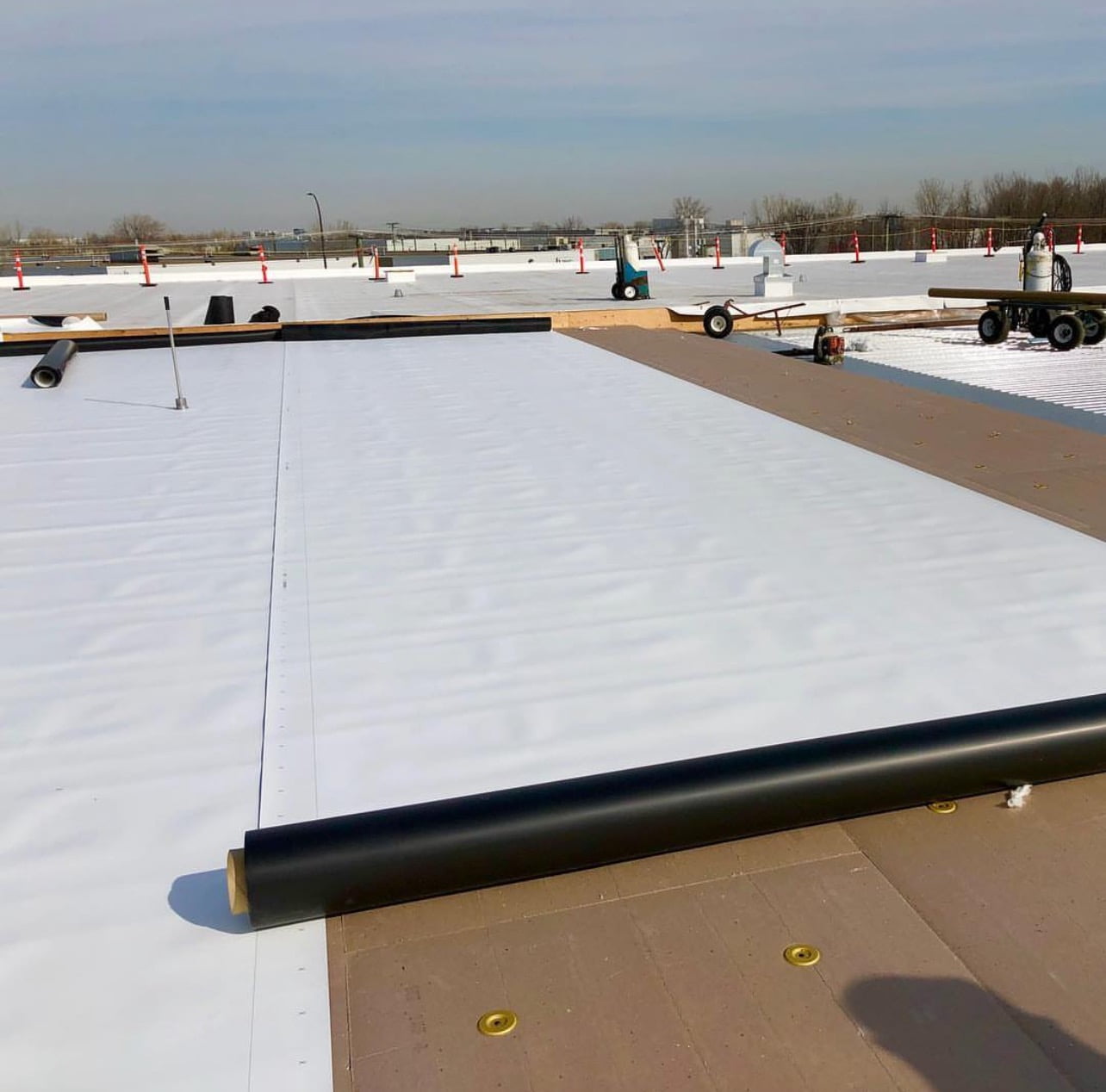
Experienced teams understand the specific challenges of the local climate. They know how to prep surfaces so the materials bond perfectly. They also have the right equipment to test the seams after they're finished to guarantee a watertight seal.
Summary of Membrane Benefits for a Building
A membrane roof offers a modern solution for commercial properties facing the harsh sun and heavy rains of Medford. By choosing materials like TPO or PVC, a company gets a roof that stays cool and remains flexible for decades. The heat-welded seams provide a level of security that older roofing styles simply can't match. Investing in high-quality installation and regular maintenance prevents unexpected costs and protects the people and equipment inside a building. Owners should evaluate the current roof age and look for signs of ponding water to decide if a new membrane system is the right move for the future.
Contact All Foam & Insulation, LLC for Professional Roofing Help
When a business needs help protecting a commercial property, reaching out to a local expert is a smart first step. All Foam & Insulation, LLC provides a variety of options, including membrane roofing, spray foam, and blown-in insulation to help keep a building efficient and dry. They can be reached at (541) 826-9600 or by email at [email protected] to discuss specific needs. They provide free quotes and help clients choose the right system for a budget and building type.
Common Questions About Commercial Membrane Systems
How long does it take to install a new membrane roof?
Most commercial projects take between one and two weeks, depending on the size of the building and the weather. Smaller buildings can often be completed in just a few days.
Can a membrane roof be repaired if it gets a hole?
Yes. Repairs are simple because a technician can weld a small patch of the same material over the hole. This creates a permanent fix that's just as strong as the rest of the roof.
Is a white roof hard to keep clean?
While dirt will show up more on a white roof, it doesn't affect the performance. Rain usually washes away most dust, and a professional cleaning every few years can restore the bright appearance.
What is the difference between 45 mil and 60 mil membranes?
The "mil" refers to the thickness in thousandths of an inch. A 60-mil membrane is thicker and provides better resistance to hail, foot traffic, and UV rays than a 45-mil option.
Do membrane roofs work on buildings with a slight slope?
Yes. These systems are designed for flat roofs and low-slope roofs. They're actually the preferred choice for any roof with a pitch less than 2:12.