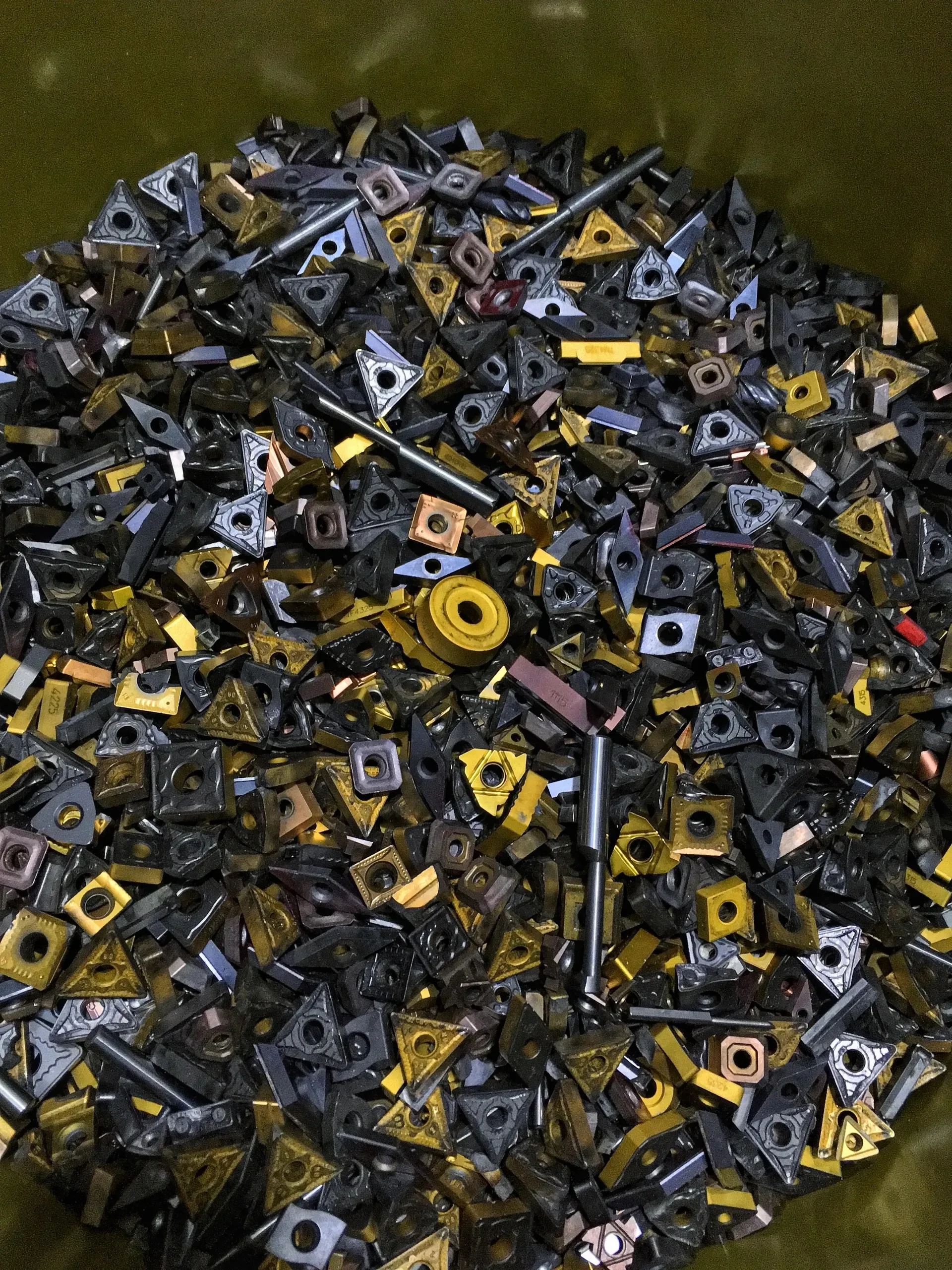
Choosing a reliable carbide recycling company means evaluating how they test material, how transparently they price scrap, and how quickly they pay after verification. Businesses that skip this evaluation often end up with inconsistent or underpriced offers from companies that don't specialize in tungsten carbide grading.
Why the Right Choice Matters
Not All Recyclers Test Material the Same Way
Some companies apply blended, generic rates across all carbide scrap, while others test cobalt content and grade type individually. This difference can significantly affect what a business ultimately receives for the same material.
The Cost of an Unreliable Partner
Working with an inconsistent recycling company can mean delayed payments, inaccurate weighing, or unclear pricing breakdowns — issues that become more costly as scrap volume increases over time.
What to Look for in a Recycling Company
Transparent Testing and Pricing Methodology
A trustworthy company clearly explains how it determines value — based on tungsten and cobalt content, current commodity pricing, and material purity — rather than offering a vague number without justification.
Verified Reputation and Accreditation
Checking third-party accreditation, such as BBB status, along with verified customer reviews from other machine shops or manufacturers, provides useful evidence of a company's reliability before committing material.
Steps to Vet a Company Before Committing
Starting With a Smaller Test Shipment
Before sending a full inventory of carbide scrap, shipping a smaller test batch helps confirm a company's pricing accuracy, communication, and payment speed under real conditions.
Confirming Terms for Recurring Sales
Businesses generating consistent volume should establish clear terms upfront — pricing structure, payment timeline, and logistics — with a company specializing in tungsten carbide recycling, rather than renegotiating from scratch with every shipment.
Purchasing and operations managers responsible for vendor selection should treat this the same way they'd vet any recurring supplier relationship. Businesses that take time to identify a dependable carbide recycling company upfront typically avoid the disputes and inconsistent pricing that come from working with unverified or informal buyers.
Choosing a reliable carbide recycling company means evaluating how they test material, how transparently they price scrap, and how quickly they pay after verification. Businesses that skip this evaluation often end up with inconsistent or underpriced offers from companies that don't specialize in tungsten carbide grading.
Why the Right Choice Matters
Not All Recyclers Test Material the Same Way
Some companies apply blended, generic rates across all carbide scrap, while others test cobalt content and grade type individually. This difference can significantly affect what a business ultimately receives for the same material.
The Cost of an Unreliable Partner
Working with an inconsistent recycling company can mean delayed payments, inaccurate weighing, or unclear pricing breakdowns — issues that become more costly as scrap volume increases over time.
What to Look for in a Recycling Company
Transparent Testing and Pricing Methodology
A trustworthy company clearly explains how it determines value — based on tungsten and cobalt content, current commodity pricing, and material purity — rather than offering a vague number without justification.
Verified Reputation and Accreditation
Checking third-party accreditation, such as BBB status, along with verified customer reviews from other machine shops or manufacturers, provides useful evidence of a company's reliability before committing material.
Steps to Vet a Company Before Committing
Starting With a Smaller Test Shipment
Before sending a full inventory of carbide scrap, shipping a smaller test batch helps confirm a company's pricing accuracy, communication, and payment speed under real conditions.
Confirming Terms for Recurring Sales
Businesses generating consistent volume should establish clear terms upfront — pricing structure, payment timeline, and logistics — with a company specializing in tungsten carbide recycling, rather than renegotiating from scratch with every shipment.
Purchasing and operations managers responsible for vendor selection should treat this the same way they'd vet any recurring supplier relationship. Businesses that take time to identify a dependable carbide recycling company upfront typically avoid the disputes and inconsistent pricing that come from working with unverified or informal buyers.
Conclusion
A reliable carbide recycling company distinguishes itself through transparent testing, verified reputation, and consistent payment practices. Businesses that vet potential partners carefully — starting small before scaling up — are far more likely to build a dependable, long-term relationship that reflects the true value of their carbide scrap.