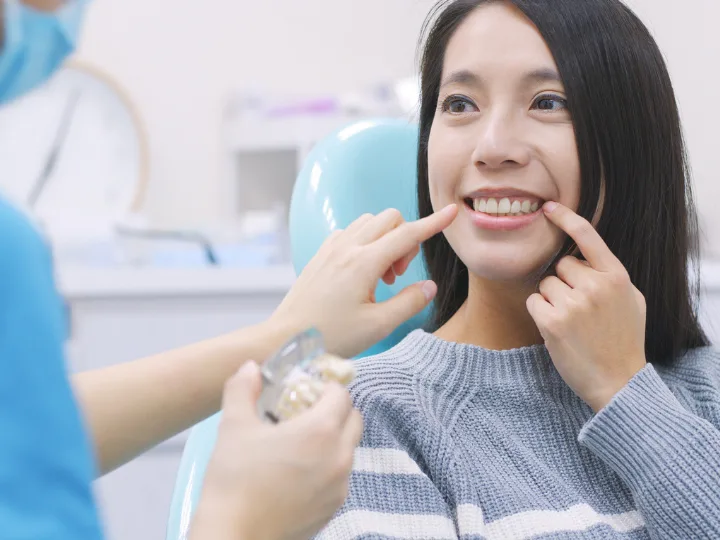
Maintaining good oral health takes more than regular brushing and flossing. Everyone has different dental needs, health considerations, and hygiene habits that shape their ongoing care. During an appointment, a dentist Narellan patients consult may assess their current oral health, while a dentist Narellan Vale patients visit may also consider their dental history and personal concerns. These findings help establish a suitable care plan that addresses existing problems and supports long-term oral health.
Reviewing Dental History and Concerns
The first step in creating a personalised dental care plan involves understanding the patient's dental background. The dentist may ask about previous treatments, existing restorations, recurring discomfort, tooth sensitivity and any concerns affecting everyday activities.
Medical history also matters because certain health conditions and medications can affect oral health. For example, some medications may reduce saliva production, increasing the likelihood of dry mouth and tooth decay. Previous dental experiences can also help the dentist understand areas that may require additional attention.
This discussion provides useful context for identifying potential risks and understanding the patient's expectations. It also allows individuals to communicate concerns they may have noticed between appointments.
Conducting a Comprehensive Examination
After reviewing the patient's history, the dentist examines the teeth, gums and surrounding oral tissues. This assessment helps identify existing conditions and changes that may require attention.
The examination may include checking for cavities, worn enamel, damaged fillings, gum inflammation, plaque accumulation and signs of infection. The dentist may also assess tooth alignment, bite function, and jaw movement to identify potential concerns.
Depending on individual circumstances, the dentist may recommend dental X-rays to examine areas that cannot be assessed through visual inspection alone. These images can help reveal decay between teeth, changes around tooth roots and other underlying concerns.
The information gathered during the examination forms the foundation of an appropriate dental care plan.
Identifying Individual Oral Health Risks
Not everyone has the same likelihood of developing dental problems. Some individuals may be more vulnerable to cavities, while others may experience gum inflammation, enamel erosion or recurring sensitivity.
The dentist considers dietary habits, brushing techniques, interdental cleaning routines and saliva production when evaluating oral health risks. Frequent consumption of sugary or acidic foods and drinks can contribute to enamel damage, while inadequate plaque removal may increase the likelihood of cavities and gum problems.
Existing dental conditions are also considered. Previous cavities, gum disease and dental restorations may require additional monitoring. General health and certain medications can further influence oral wellbeing.
Understanding these factors helps the dentist determine which preventive measures and examinations may be appropriate for the individual.
Recommending Suitable Dental Treatments
Once the assessment is complete, the dentist discusses any conditions that require treatment. Recommendations depend on the nature of the problem, its severity and the patient's overall oral health.
For example, early tooth decay may require preventive measures such as fluoride application and improved oral hygiene. More advanced cavities may need fillings to restore the affected tooth.
Patients experiencing gum inflammation may benefit from professional cleaning and guidance on maintaining healthy gums. Damaged teeth may require restorative options such as crowns, depending on the extent of the damage.
The dentist explains the available approaches, their purpose and any relevant considerations. This allows patients to understand their options and make informed decisions about their dental care.
Establishing Preventive Care Routines
Prevention is an important part of a personalised dental care plan. Daily habits can significantly influence the condition of teeth and gums between professional appointments.
The dentist may recommend brushing twice daily with fluoride toothpaste and cleaning between the teeth using suitable interdental brushes or dental floss. Dietary guidance may also include reducing frequent sugary snacks and limiting acidic drinks.
People with dry mouth may receive advice on maintaining moisture and discussing possible contributing factors with their healthcare provider.
Professional cleaning can help remove hardened plaque that regular brushing cannot eliminate. The recommended frequency depends on gum health, plaque accumulation and individual risk factors.
These practical recommendations help patients maintain consistent oral hygiene and reduce the likelihood of future dental problems.
Planning Regular Dental Reviews
A personalised care plan should be reviewed regularly because oral health needs can change over time. Follow-up appointments allow the dentist to monitor previous treatments, assess improvements and identify new concerns.
The timing of these visits depends on individual circumstances. Someone with a history of gum disease or recurring cavities may require closer monitoring than someone with stable oral health.
During subsequent appointments, the dentist can compare examination findings, review home-care routines, and adjust recommendations as needed. Changes in medical history, medication or dental symptoms may also influence future care.
Regular reviews ensure the plan stays relevant, rather than following the same routine regardless of changing needs.
Final Thoughts
A personalised dental care plan considers an individual's dental history, current oral health, risk factors and everyday habits. Through comprehensive examinations, suitable treatment recommendations, preventive routines and regular reviews, patients can make informed decisions about maintaining healthy teeth and gums. Consulting a dentist Narellan residents can access for ongoing assessments, or a dentist Narellan Vale patients can approach for routine dental care, helps support a consistent approach to oral health and long-term dental wellbeing.