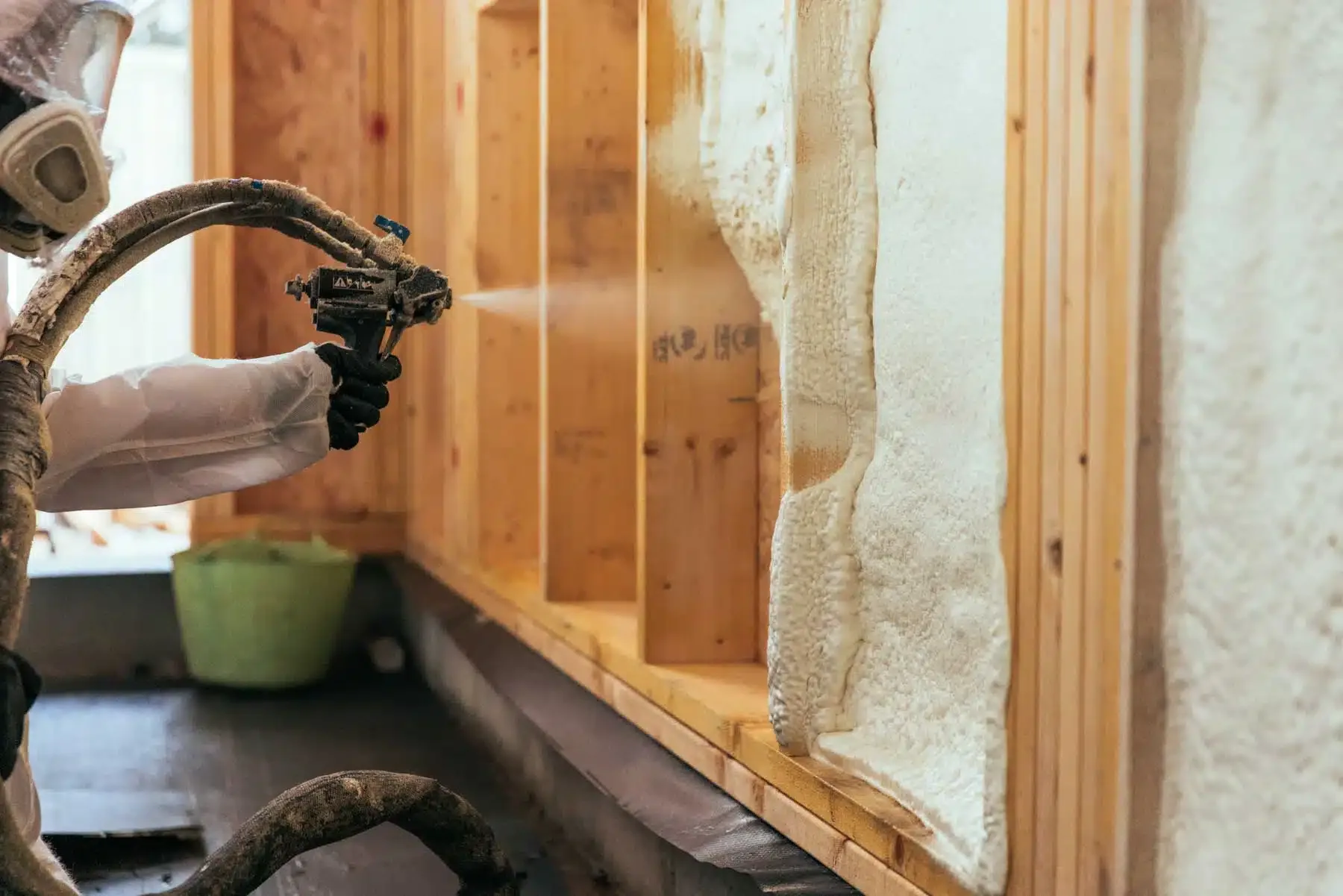
Closed-cell spray foam improves building performance by creating a rigid, high-density thermal barrier that prevents air leakage and moisture infiltration. In the specific climate of the Willamette Valley, this material acts as both an insulator and a vapor retarder, which keeps interiors dry and temperature-controlled. Using closed-cell spray foam contractor in Eugene, OR ensures that a structure maintains a stable environment while reducing the workload on heating and cooling systems.
This article offers a detailed look at how high-performance insulation serves Eugene property owners. It covers energy efficiency, moisture control, and the structural benefits that professional installations offer. Industry experts recognize this material as a top-tier solution for modern building envelopes in rainy regions.
Energy Efficiency Gains Through Superior Air Sealing
The most immediate impact of closed-cell spray foam is the elimination of air drafts. Traditional materials often leave small gaps around wires, pipes, and wall studs. These tiny openings allow conditioned air to escape, which forces HVAC systems to run longer. Research indicates that air leakage can account for up to 40 percent of a building's total energy loss. By expanding into every crevice, this foam creates a custom-fit seal that stops this waste.
This sealing capability is particularly important in Eugene, where winter temperatures often hover near freezing. When the exchange of indoor and outdoor air stops, a furnace does not have to fight constant cold drafts. This leads to more consistent temperatures from room to room. Cold spots common in older homes typically disappear after a professional application.
The Role Of R-Value In Thermal Resistance
Closed-cell spray foam insulation offers one of the highest R-values per inch of any building material. Most versions offer a rating of R-6 to R-7 per inch of thickness. This high density allows for necessary insulation levels in shallow wall cavities or tight attic spaces where thicker materials simply will not fit.
In many local construction projects, space is at a premium. Being able to pack more thermal resistance into a smaller area is a major advantage. This efficiency helps buildings meet or exceed Oregon’s energy codes without requiring bulky wall assemblies.
Managing Moisture In The Pacific Northwest Climate
Eugene is known for its high humidity and consistent rainfall throughout the winter months. Moisture management is a primary concern for any property owner in this region. Unlike open-cell alternatives or fiberglass, closed-cell foam is "hydrophobic," meaning it does not absorb water. It acts as a built-in vapor barrier that prevents humid air from reaching cold surfaces where it could condense.
When moisture is trapped inside a wall, it leads to mold growth and wood rot. Because this foam creates a tight seal, it stops the "stack effect" where damp air is pulled from the crawlspace up into the living areas. By keeping the building envelope dry, the material protects the long-term health of residents and the integrity of the wooden frame.
Comparing Insulation Performance In Eugene
FeatureClosed-Cell Spray FoamOpen-Cell Spray FoamFiberglass BattsR-Value Per Inch6.0 to 7.03.5 to 3.83.1 to 3.4Air SealingExcellentGoodPoorMoisture ResistanceHigh (Vapor Retarder)Low (Permeable)None (Absorbs Water)Structural SupportAdds StrengthNoneNoneBest UseCrawlspaces, Exterior WallsInterior Walls, AtticsStandard FramingDoes Closed-Cell Spray Foam Increase Structural Strength?
One of the unique benefits of this material is its ability to reinforce the building itself. When the foam cures, it becomes hard and rigid. This rigidity helps bond the wall studs and exterior sheathing together. Research indicates that walls filled with high-density foam can have up to three times the racking strength of walls with traditional insulation.
In an area like Eugene, which sits near seismic zones, added structural integrity is a beneficial asset. The foam helps the building resist "shearing" forces caused by high winds or ground movement. While it is not a replacement for traditional structural engineering, it provides an extra layer of protection that other insulation types cannot offer.
Impact On Indoor Air Quality And Comfort
When the exterior environment is sealed out, pollutants and allergens are also blocked. Many residents in the Willamette Valley suffer from seasonal allergies due to local grass seed production and pollen. A tight building envelope filtered by a proper HVAC system prevents these particles from entering through wall gaps.
Bonus Tip: Ensure the ventilation system is balanced. Because spray foam makes a house so airtight, a heat recovery ventilator (HRV) may be needed to bring in fresh, filtered air while keeping the heat inside.
The density of the material also provides sound dampening. While it is more rigid than soundproofing-specific foams, it still reduces the transmission of outdoor noise like traffic or neighbors. This creates a quieter and more peaceful indoor atmosphere for families or employees.
3 Practical Factors To Evaluate Before Installation
Before moving forward with a project, it is helpful to look at the specific needs of a property. Not every area of a building requires the same approach, and understanding these factors helps maximize the investment.
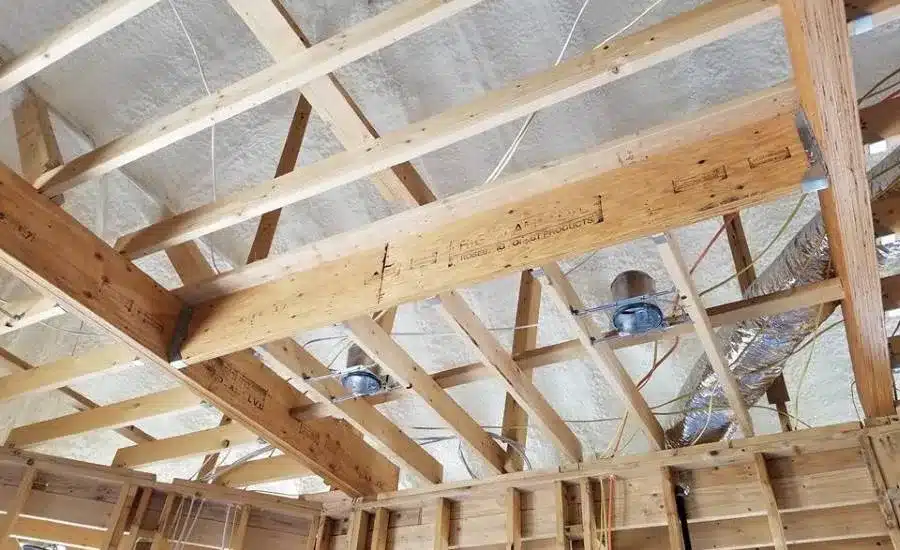
1. Accessibility and Prep Work: Installing spray foam is a permanent choice. All electrical wiring, plumbing, and mechanical systems must be in place before the foam is applied. Once it hardens, accessing those components becomes much more difficult. Surfaces should also be clean and dry to ensure the foam bonds correctly.
2. Budget and Long-Term Savings: The initial cost for a closed-cell spray foam contractor in Eugene, OR will be higher than using fiberglass or cellulose. However, the performance gap is notable. The upfront price should be weighed against the monthly utility savings and the increased resale value of the property. Most owners find that the system pays for itself over several years through lower energy bills.
3. Application Environment: Temperature and humidity during the day of installation matter. Professional teams monitor the ambient air and surface temperatures to ensure the chemical reaction occurs properly. In the damp climate of Western Oregon, choosing a dry window for application or using space heaters to prep the area is standard practice for high-quality results.
Regional Guidance For Eugene Homeowners
For those insulating a crawlspace in Eugene, closed-cell foam is often the only recommended option. Open-cell foam can trap moisture against the floor joists in damp environments, leading to rot. This application seals the wood away from the damp earth, preventing the "musty" smell that many local homes develop during the rainy season.
Bonus Tip: In older homes with a "post and beam" foundation, applying foam to the rim joists is one of the most cost-effective ways to stop cold floors. This area is a notorious source of air leaks in Pacific Northwest architecture.
Maximizing Your Real Estate Value
Energy-efficient homes are in high demand in the Oregon real estate market. Buyers look for features that lower their cost of living and reduce their environmental footprint. Having a documented installation of high-performance foam can be a notable selling point. It demonstrates that the building was maintained with high-quality materials and is built to last.
Evaluating Professional Installation Standards
Hiring an experienced team is essential for a successful project. The chemicals must be mixed at the correct temperature and pressure to ensure the foam cures properly. If the mix is off, the foam may not adhere well or could produce an odor. Professionals use specialized equipment and follow strict safety protocols to ensure the site is ready for re-entry quickly.
Summary Of Performance Enhancements
Using closed-cell spray foam insulation provides a comprehensive solution for modern building challenges. It addresses thermal loss, air leakage, and moisture problems simultaneously. By choosing this high-density material, property owners invest in the longevity and comfort of the structure. The structural benefits and air quality improvements further solidify its position as a superior choice for the Eugene area.
Contact Experts For A Professional Assessment
Improving a property’s efficiency is easier with help from a local specialist. All Foam & Insulation, LLC provides expert services including closed-cell and open-cell options to meet different building needs. Property owners can contact them to discuss projects and receive a quote for insulation requirements. Their team understands the unique challenges of the local climate. Reach out to Joe at [email protected] or call (541) 826-9600 to schedule a consultation.
Common Questions About Spray Foam Performance
Is closed-cell spray foam safe for my family?
Yes, once the foam has fully cured, it is inert and safe. Professional installers provide specific re-entry times, usually 24 hours, to ensure all odors have dissipated.
Does this type of foam stop pests?
While it is not a pesticide, the rigid nature of the foam does not provide a food source or a soft nesting material for rodents. It also seals the small gaps that insects use to enter a home.
How long does the insulation last?
Closed-cell foam is designed to last for the life of the building. It does not sag, settle, or degrade over time like fiberglass or cellulose might.
Can I use this foam in an existing finished wall?
It is difficult to use in finished walls because it expands with substantial force. It is best used during new construction, major renovations, or in accessible areas like attics and crawlspaces.
Will spray foam make my house too tight?
A house can be "too tight" only if it lacks proper mechanical ventilation. Experts recommend using an HRV or ERV system to ensure fresh air circulation in highly insulated homes.