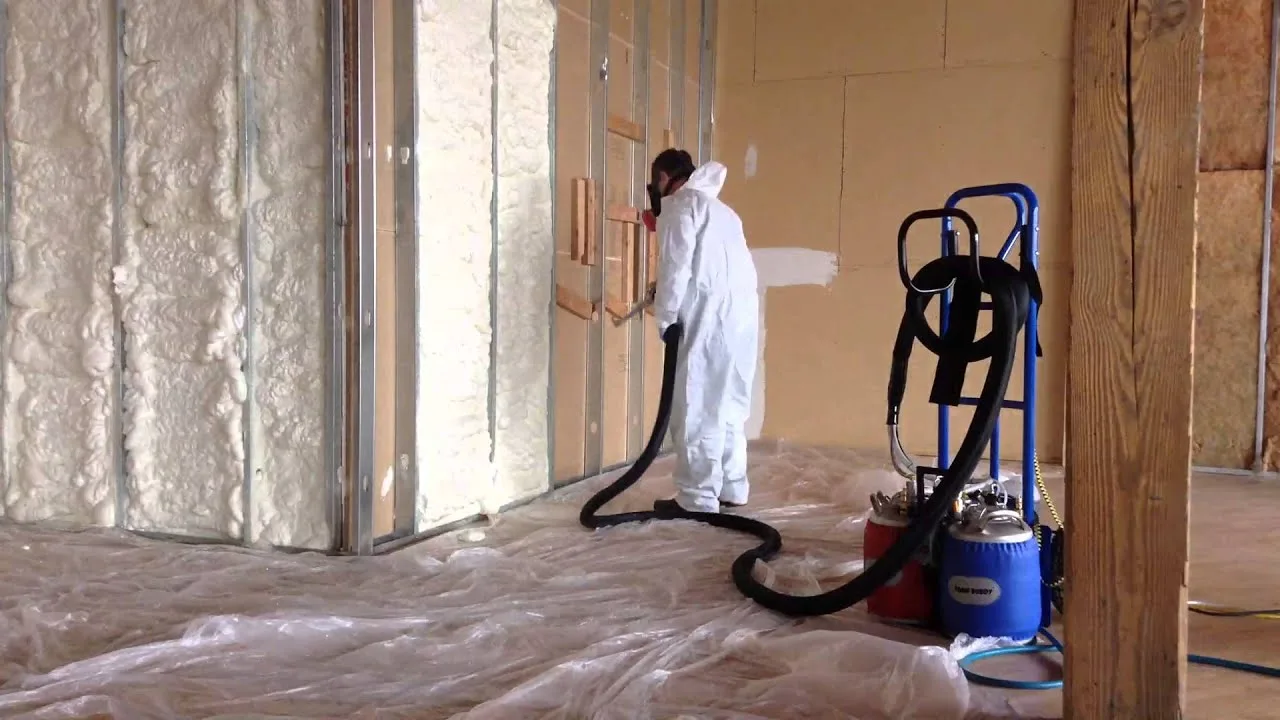
Spray foam insulation creates an airtight seal that prevents heat transfer and air leakage in barns, poultry houses, and equipment sheds. In the humid climate of South Georgia, this material prevents hot, moist air from entering your structures, significantly reducing cooling costs and maintaining stable interior temperatures. By filling every crack and crevice, it eliminates the drafts that typically force HVAC systems or ventilation fans to work overtime.
This guide explains the technical advantages of using agricultural spray foam insulation to protect your farm assets and reduce operational overhead. You will learn how modern insulation materials withstand the unique environmental pressures in Thomasville while keeping your livestock or produce in peak condition. Based on years of local installation data, specialized foam systems can reduce energy consumption in metal buildings by up to 40 percent.
Agricultural spray foam insulation in Thomasville, GA, serves as both a thermal barrier and a moisture retardant, which is why it has become the standard for modern farm construction. Because the material expands upon application, it reaches areas that traditional batts or rolls simply cannot cover. This ensures your utility bills stay predictable even during the sweltering summer months common in Thomasville.

Why Airtight Sealing Matters for Georgia Farms
Most agricultural buildings in Georgia use metal siding and roofing, which are notorious for conducting heat. Without a high-quality barrier, the sun’s energy transfers directly into your workspace or livestock area. Farm foam barriers stop this heat conduction by creating a thick layer of high-performance insulation directly against the metal skin.
Traditional insulation often sags over time, leaving gaps where air can escape. This air leakage is a leading cause of energy waste in large-scale structures. Barn thermal insulation adheres permanently to the substrate, ensuring that your climate control efforts stay inside the building rather than leaking out through the roof.
- Stops air infiltration through small gaps in metal joints.
- Reduces the load on fans and cooling systems.
- Prevents "thermal bridging" where heat travels through the steel frame.
Bonus Tip: Check your building for daylight peeking through joints before installation. If light gets in, air and heat follow, making these areas prime targets for foam application.
3 Ways Spray Foam Protects Your Livestock and Produce
Stable temperatures are not just about saving money; they are about protecting your livelihood. Sudden temperature swings can stress poultry or livestock, leading to lower production rates or health issues. Agricultural spray foam insulation maintains a steady environment regardless of the external weather conditions.
1. Consistent Temperature Regulation
In a climate like Thomasville’s, humidity can make a building feel much hotter than the thermometer suggests. Foam insulation keeps the interior cool and dry, which is essential for broiler houses or climate-controlled storage. This consistency allows you to manage your operations without constant manual adjustments to thermostats.
2. Moisture and Condensation Control
Metal buildings often "sweat" when the temperature drops at night. This condensation can lead to mold growth or rust on expensive machinery. Bio-based foam sealants act as a vapor barrier, preventing moisture from forming on the inside of your walls and ceiling.
3. Improved Structural Strength
Spray foam is rigid and adds structural integrity to your building. It bonds the walls and roof together, helping your structures better withstand the high winds and heavy storms that occasionally roll through South Georgia.

Technical Comparison of Agricultural Insulation Options
Choosing the right material involves looking at more than just the initial price tag. You must consider the R-value, which measures resistance to heat flow, and the product's long-term durability in a dusty, high-use environment.

How Does Foam Improve Long-Term Operational Costs?
When you look at the life of a farm building, the energy savings often pay for the insulation within a few years. Because farm foam barriers do not settle or degrade like fiberglass, the performance you get on day one is the same performance you will have in a decade. This longevity makes it a smart investment for any growing operation.
Maintenance costs also drop because the building stays drier. You spend less on repairing rust damage or replacing moldy drywall and insulation. Furthermore, the reduced wear and tear on your ventilation equipment means those machines last longer before needing a total overhaul or replacement.
- Lower monthly electricity and gas bills.
- Fewer repairs to the building's structural frame.
- Extended lifespan for HVAC and ventilation fans.
Bonus Tip: Ask about "closed-cell" options for wash-down areas. This type of foam is waterproof and can handle being sprayed with a hose during routine cleaning without absorbing water.
Factors to Consider Before Insulating Your Facility
Before you move forward with an insulation project, you should evaluate your building's current condition and your specific goals. Not every structure requires the same foam thickness, and your choice may depend on what you are storing inside.
Assessing the Existing Structure
If your building is older, the frame might need minor repairs before the foam is applied. The surface needs to be clean and free of loose debris to ensure the foam bonds correctly. You should also identify any areas with existing leaks that need to be addressed.
Defining Your Climate Goals
Are you trying to keep a shed just above freezing in the winter, or do you need it to stay a crisp 65 degrees all summer? Your temperature requirements will dictate the thickness of the barn thermal insulation needed. Thicker foam provides a higher R-value but comes at a higher cost.
Importance of Professional Installation
Spray foam requires specialized equipment and precise temperature control during application to cure correctly. While DIY kits exist, they often lack the pressure and consistency needed for large-scale agricultural projects. Hiring professionals ensures the chemical mix is perfect and the coverage is uniform.
Common Myths About Insuring and Maintaining Foam Buildings
Some owners worry that foam might hide leaks or make future electrical work difficult. In reality, because the foam adheres so tightly, it prevents water from traveling along the roofline, making it easier to pinpoint the source of a leak. For electrical updates, the foam can be cut and patched quite easily by a skilled technician.
Another misconception is that foam is a fire hazard. Modern agricultural spray foam insulation products often include fire retardants and can be coated with thermal barriers to meet local building codes. This makes them a safe choice for both storage and livestock housing.
Contact Premier Insulation for Professional Guidance and a Free Quote
Deciding on the right insulation strategy requires local knowledge and technical skill. If you are looking to improve the efficiency of your structures, reaching out to a provider like Premier Insulation is a practical step. They offer specialized services, including bio-based foam sealants and thermal coatings that fit the specific needs of Georgia farmers.
You can discuss your project requirements by calling (229) 554-3939 or emailing [email protected]. They provide a range of options from closed-cell foam to specialized ignition barriers. Requesting a free quote allows you to compare the long-term energy savings against the initial investment for your specific square footage. Their team can help you determine the best thickness and material type to keep your operations running smoothly through every season.

Summary of Energy Benefits for Georgia Agriculture
Upgrading your buildings with agricultural spray foam insulation is one of the most effective ways to combat rising energy costs and harsh Georgia humidity. By creating a continuous air barrier, you protect your assets from heat, moisture, and structural strain. This leads to a more profitable operation with lower overhead and a more comfortable environment for both workers and livestock. You should evaluate your current energy use and building condition to determine whether a foam upgrade aligns with your long-term business goals.
Common Questions About Farm Insulation Efficiency
Does spray foam attract pests or rodents?
No, unlike fiberglass or cellulose, spray foam does not provide a food source or soft nesting material for rodents. Its hard surface and airtight seal actually help keep pests out by closing off entry points.
Can foam be applied to an existing metal roof?
Yes, it can be applied directly to the underside of existing metal roofs and walls. This is a common way to retrofit older barns and sheds to improve energy efficiency without replacing the siding.
How long does the installation process take?
Most medium-sized agricultural buildings can be insulated in just 1 to 3 days, depending on complexity and total surface area. This minimal downtime is helpful for active farming operations.
Is the foam safe for livestock?
Once the foam has fully cured, which usually takes about 24 hours, it is inert and safe. It helps improve air quality by reducing dust and mold spores that often circulate in poorly insulated buildings.
Does it help with noise reduction?
Yes, spray foam has excellent sound-dampening properties. It can significantly reduce the noise from heavy rain or hail on metal roofs, creating a calmer environment for animals inside.