Rising water levels, sudden storms, and shifting climate patterns have collectively increased the risk of flooding in both urban and suburban environments. As a result, homeowners everywhere are facing new and unpredictable threats to the safety and longevity of their properties. Traditional flood prevention methods—such as sandbags and temporary barriers—though somewhat effective, often fall short when confronted by severe or recurring flooding events. In this context, Flood Gates for Houses have emerged as a modern, reliable, and robust solution that can transform your preparedness against water-related disasters.
At Newflag Technology Co., Ltd., we understand how devastating flood damage can be. The loss of sentimental belongings, financial setbacks, disruption of daily life, and the daunting recovery process are experiences no homeowner wants to face. Recognizing these realities, we are committed to providing advanced flood protection innovations to safeguard your property. Flood Gates for Houses represent not just a barrier against water, but a critical investment in your home’s future security.
The Growing Threat: Why Flooding Is on the Rise
Climate change has dramatically altered rainfall patterns worldwide. Intense downpours, flash floods, riverine surges, and coastal tidal events are happening with increased frequency, often impacting areas previously considered low-risk. Moreover, rapid urbanization, poor drainage infrastructure, and the prevalence of paved surfaces contribute to faster, more direct runoff and overwhelmed stormwater systems.
Statistical Highlights:
- According to the World Bank, flood-related disasters cause more than $40 billion in damages annually.
- In many countries, over half of disaster insurance claims are related to flooding.
- It’s estimated that more than 1 in 4 homes in low-lying areas will experience some form of flood damage within the next few decades.
Therefore, implementing reliable protection, such as flood gates for houses, is not just a wise move—it’s becoming a critical necessity for property preservation.
What Are Flood Gates for Houses?
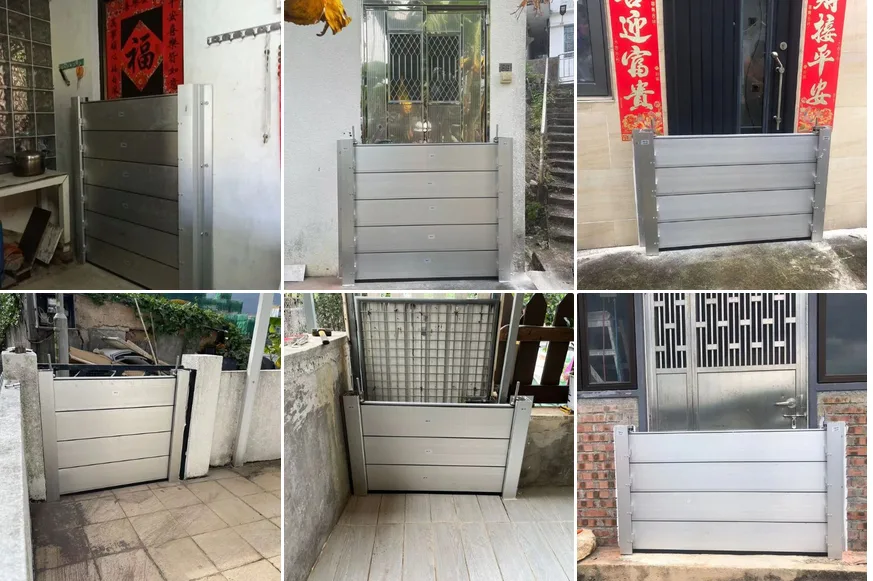
Flood gates for houses are engineered barriers developed to prevent the ingress of floodwaters into building openings such as doors, garages, windows, or air vents. Unlike sandbags or temporary makeshift plug-ins, modern flood gates offer tailor-made, reusable, and highly durable protection precisely when (and where) you need it.
Types of Flood Gates for Houses
1. Door Flood Gates
- Custom-fitted to protect entryways, they are easy to install and remove as necessary.
2. Driveway and Garage Flood Gates
- Designed for wide or low-entry points, often vulnerable to flow and pooling.
3. Window and Vent Barriers
- Engineered to stop water from entering vulnerable low-level openings or ventilation points.
Materials and Construction
Modern flood gates for houses are typically constructed from high-strength materials such as aluminum, coated steel, or impact-resistant polymers. Some advanced models feature built-in gaskets or hydraulic seals, ensuring a watertight barrier under significant pressure.
Key Features:
- Quick deployment: Most systems can be installed within minutes in advance of a flood event.
- Custom sizing: Ensures a snug, reliable fit for any household opening.
- Lightweight and manageable: Designed for easy handling by homeowners of all ages.
- Reusable: Unlike sandbags, these gates are engineered for repeated use over many years.
Benefits of Installing Flood Gates for Houses
Choosing to install flood gates is a pivotal decision for any homeowner. Let’s examine the core benefits:
1. Comprehensive Protection from Flood Damage
First and foremost, flood gates for houses function as a formidable line of defense. They prevent water from entering your living space, garage, basement, and storage areas. By stopping water at the exterior threshold, you eliminate the need for costly interior repairs and reduce the risk of mold growth, electrical hazards, and structural weakening.
2. Rapid and Reliable Deployment
When weather alerts are issued, every second counts. Flood gates for houses are designed for quick installation by virtually anyone, with no heavy lifting or specialist tools required. Many systems feature color-coded guidance, tool-free clamping, and intuitive placement for stress-free setup.
3. Long-Term Cost-Effectiveness
Although the upfront cost of flood gates is higher than sandbags or temporary blockades, their longevity and effectiveness make them an excellent investment. Reusable over multiple flood events, they protect your property and dramatically lower insurance claims and deductibles in the long run.
4. Aesthetic Integration
Unlike bulky sandbag walls or makeshift tarps, modern flood gates are designed with curb appeal in mind. Custom finishes, neat profiles, and compatibility with contemporary architectural styles mean you don’t have to sacrifice your home’s aesthetics for safety.
5. Peace of Mind
Perhaps the most significant benefit is intangible but invaluable: peace of mind. Knowing that you can quickly and effectively deploy a protective barrier when needed reduces anxiety and stress for homeowners and their families.
How Flood Gates for Houses Work: The Science and Engineering
Flood gates for houses operate on a simple but highly effective principle: create a reliable, watertight seal that blocks the passage of water, resisting both hydrostatic pressure and floating debris. Here’s what distinguishes a quality flood gate system:
Step-by-Step Operation
1. Preparation
- The homeowner is notified of an impending flood risk (via weather alert, news, or sensor).
2. Installation
- Flood gates are installed into pre-set mounting points at doors, garages, or other vulnerable areas.
- Rubber or silicone gaskets expand or compress to seal gaps.
3. Activation
- Some gates use manual compression (tightening via knobs or levers), while others automatically engage upon installation.
4. Performance During Flood
- As water rises, the gate holds fast against inward pressure, preventing seepage or sudden surges.
5. Removal and Storage
- Once danger passes, gates are just as easily removed, cleaned, and stowed for next time.
Where Should You Install Flood Gates for Houses?
Most residential properties have several flood-vulnerable points. Focus on the following:
Also Read: Residential Flood Gates: Combining Curb Appeal with Maximum Flood Security!
- Main entry doors (front, back, side)
- Garage doors (especially if the driveway slopes downward)
- Basement and cellar access
- Patio or sliding glass doors
- Large or low-set windows
- Air vents or utility entry points
A thorough risk assessment with the help of Newflag Technology Co., Ltd. will reveal your home’s specific weaknesses and enable a strategic installation plan.
The Installation Process: What to Expect
1. Consultation and Site Assessment
Reputable providers like Newflag will offer a site evaluation, identifying at-risk areas and measuring for precise fitting.
2. Custom Manufacturing
Flood gates for houses are manufactured to exact specifications, ensuring reliable performance and a tight seal.
3. Professional or DIY Installation
Depending on the gate type and your preference, installation can be performed professionally or by homeowners themselves, using detailed guides and support.
4. Training and Demonstration
Homeowners receive hands-on instruction in deploying, removing, and storing their gates—essential for stress-free flood preparation.
5. Maintenance and Readiness
Occasional checks and cleaning keep flood gates operational for years. Simple tasks like checking gaskets, lubrication, and storage go a long way.
Case Studies: Flood Gates for Houses in Action
Case Study 1: Urban Dwelling with Frequent Street Flooding
A family living in a busy city neighborhood noticed annual flooding from blocked drains. Traditional sandbags were cumbersome, slow, and often failed. After installing flood gates for houses on their two main doorways, water remained outside for three consecutive flood events, saving thousands in carpet and furniture replacement and no longer leaving the family “trapped” at home.
Case Study 2: Garage Flooding in Coastal Community
A couple in a coastal suburb faced repeated garage floods during storm surges. After consulting Newflag, they installed a wide, removable garage flood gate. For the first time in years, their garage floor stayed dry, and their treasured bikes and tools were unharmed—even when neighboring homes suffered losses.
Integrating Flood Gates and Other Solutions
While flood gates dramatically reduce risk, a layered approach yields the best results:
- Combine flood gates for houses with proper landscaping, French drains, backflow valves, and sump pumps.
- Invest in smart flood sensors for early warnings.
- Regularly maintain gutters, downspouts, and drainage paths to reduce water pooling.
Flood gates are an essential last line of defense—pairing them with complementary measures creates all-around protection.
Addressing Concerns: Are Flood Gates for Houses Worth It?
Some homeowners may hesitate at first, considering the cost or effort. However, a single catastrophic water intrusion can cost many times more than the investment in proper preparation. Compared to the labor, mess, and unreliability of sandbags, flood gates are cleaner, safer, reusable, and ultimately more cost-effective.
Insurance companies are beginning to recognize their benefits, too; some even offer discounts for certified installations.
Why Choose Newflag Technology Co., Ltd. for Flood Gates for Houses?
As a leader in the field, Newflag Technology Co., Ltd. brings years of experience in disaster risk management and innovative engineering. We provide:
- Custom solutions for any residence or tricky architectural feature
- Quality assurance, long-term warranties, and expert guidance
- Ongoing research and development to make flood gates for houses even more reliable, lighter, and easier to use
- Friendly support at every step—from initial quote to post-installation care
The threat of flooding is real, persistent, and growing. However, homeowners are not powerless. With the deployment of Flood Gates for Houses, you regain control—turning your home into a fortress against water damage.
Frequently Asked Questions (FAQ):
Q1: How long does it take to install flood gates for houses?
A: Most flood gates for houses are designed for rapid deployment—typically less than 10 minutes per gate once you’re familiar with the system. Initial mounting points may take a bit longer to set up.
Q2: Can flood gates for houses be installed on any type of door or window?
A: Yes, modern systems are highly adaptable and can be custom-fit to almost any opening, including non-standard doors, garage entries, sliding doors, and even ventilation grilles.
Q3: Do I need professional help to install flood gates?
A: While many flood gates for houses are DIY-friendly, professional consultation and installation are recommended for optimal protection—especially on wide or complex openings.
Q4: How do I maintain my flood gates?
A: Maintenance is minimal. After each use, rinse gates with clean water, check gaskets for wear, and store them in a dry, safe location. Annual checks are usually sufficient.
Q5: Are flood gates expensive compared to sandbags or other alternatives?
A: The initial cost is higher, but flood gates are reusable for years and do not create waste or require hazardous cleanup, unlike sandbags. The long-term value and reliability quickly offsets their purchase price.
Q6: Will flood gates for houses work for flash floods or major disasters?
A: Professionally installed, high-quality flood gates are designed to withstand substantial water pressure, including rapid flash floods. However, it’s important to deploy them in advance and integrate them with broader flood management measures for the greatest security.
Q7: Can flood gates be used during winter or freezing conditions?
A: Yes. Most modern flood gates for houses are made from weather-resistant materials that perform well in cold or freezing weather.
Q8: What if I need to leave my property—can the gates be locked in place?
A: Many systems allow you to lock the gates, ensuring your home remains protected even if you need to evacuate.
Q9: How do flood gates interact with door hardware? Will I need to modify my doors?
A: Well-designed gates should not require major door modifications. Some systems use side channels or sill brackets to clamp in place securely without permanent changes to your door.
Q10: What warranty or support does Newflag Technology Co., Ltd. provide?
A: Newflag Technology Co., Ltd. offers warranties and comprehensive customer support, including after-sales service and guidance on proper installation, deployment, and maintenance.