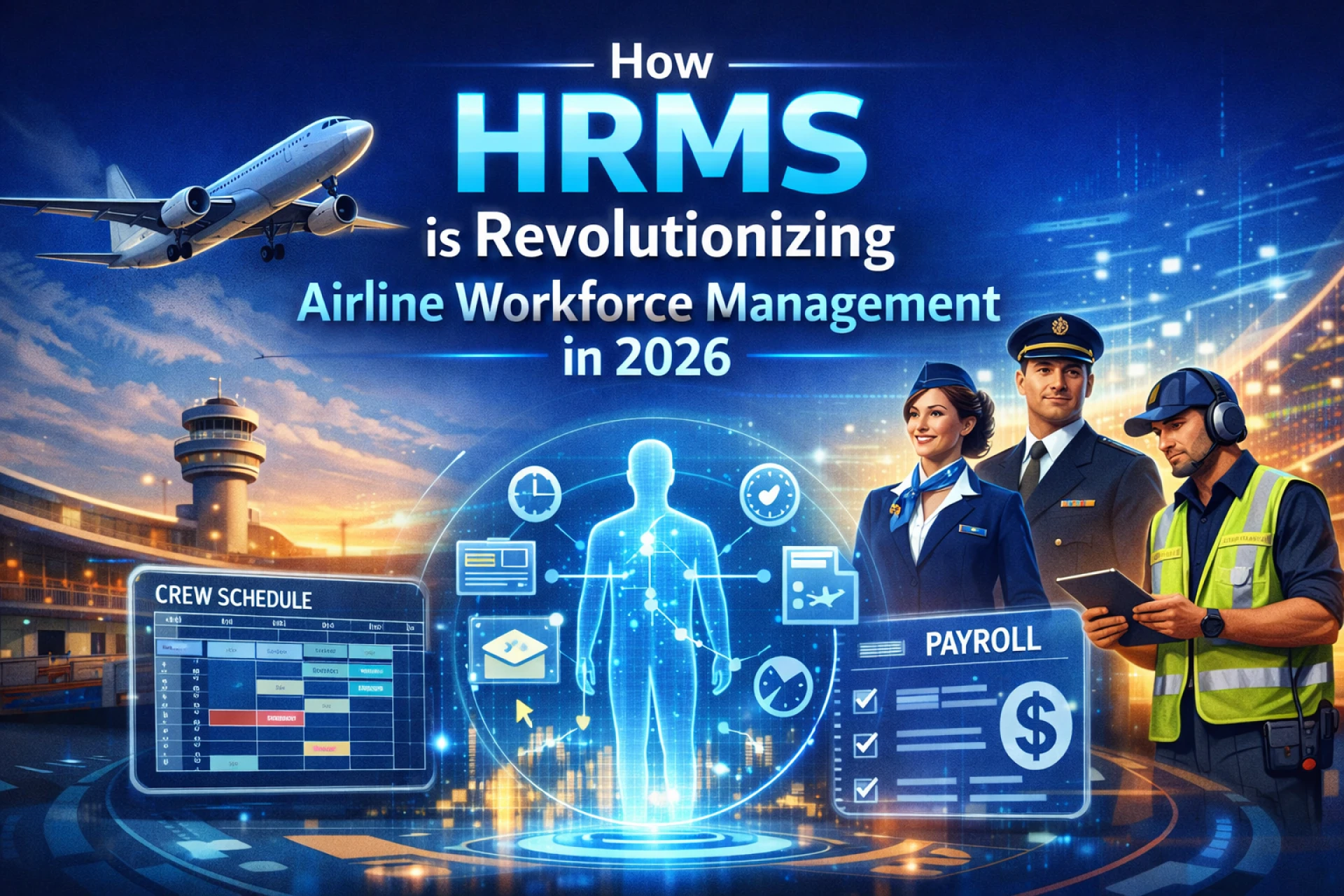
The aviation industry is entering a new era of digital transformation, where operational excellence is no longer optional, it’s a necessity. Airlines today must balance safety, compliance, cost control, and customer experience, all while managing a highly dynamic and distributed workforce. From pilots and cabin crew to ground staff and maintenance teams, every role is mission-critical.
In this environment, adopting human resource management software has become a strategic priority for airlines aiming to modernize operations and stay competitive. In 2026, HRMS is not just supporting HR functions, it is actively reshaping how airlines manage, optimize, and scale their workforce.
The Complexity of Airline Workforce Management
Unlike most industries, airlines operate in a high-stakes, real-time environment. Workforce management involves far more than attendance tracking or payroll processing. It requires precise coordination across multiple variables:
- Rotational shifts across time zones
- Strict aviation compliance and labor regulations
- Dynamic crew scheduling based on flight operations
- Unpredictable disruptions such as delays or weather conditions
- High dependency on certified and skilled professionals
Traditional systems often fall short in handling these complexities, leading to inefficiencies, compliance risks, and increased operational costs.
What Makes HRMS a Game-Changer in Aviation?
Modern HRMS platforms are designed to go beyond basic automation. They integrate AI, analytics, and real-time data to deliver a unified workforce management solution tailored for complex industries like aviation.
For airlines, this means:
- Centralized workforce data across departments
- Automated and intelligent scheduling
- Real-time monitoring and reporting
- Seamless compliance tracking
The result is a smarter, faster, and more responsive workforce management system.
Key Ways HRMS is Transforming Airline Workforce Operations
Intelligent Crew Scheduling at Scale
Crew scheduling is one of the most challenging aspects of airline operations. HRMS platforms use advanced algorithms to assign shifts based on availability, qualifications, fatigue rules, and regulatory constraints.
Outcome:
Optimized crew utilization, reduced conflicts, and improved operational reliability.
Real-Time Workforce Visibility
Airlines need instant access to workforce data to respond to operational changes. HRMS dashboards provide real-time insights into staff availability, attendance, and deployment across locations.
Outcome:
Faster decisions, improved coordination, and minimized disruptions.
Automated Payroll and Regulatory Compliance
Managing payroll in aviation involves multiple variables—flight hours, allowances, overtime, and regional regulations. HRMS automates these processes while maintaining compliance with aviation and labor laws.
Outcome:
Accurate payroll, reduced administrative burden, and audit-ready compliance.
Data-Driven Workforce Optimization
HRMS enables airlines to analyze workforce trends, predict staffing needs, and optimize resource allocation using data analytics.
Outcome:
Reduced labor costs and improved operational efficiency.
Enhanced Employee Experience
Employee satisfaction directly impacts service quality in aviation. HRMS platforms offer self-service portals where employees can manage schedules, apply for leave, and access payroll information.
Outcome:
Greater transparency, improved engagement, and higher retention rates.
Agility During Disruptions
Flight delays, cancellations, and emergencies are part of airline operations. HRMS allows quick reassignment of staff and real-time adjustments to schedules.
Outcome:
Improved resilience and continuity in operations.
Training and Certification Management
Aviation requires strict adherence to training and certification standards. HRMS tracks employee qualifications, training schedules, and compliance status.
Outcome:
Enhanced safety, reduced risk, and better workforce readiness.
Seamless System Integration
Modern HRMS solutions integrate with airline operational systems such as crew management and flight scheduling platforms.
Outcome:
Unified workflows and improved data accuracy across departments.
Business Impact: Why Airlines Are Investing in HRMS
The adoption of HRMS is delivering measurable results across the aviation industry:
- Increased workforce productivity through automation
- Significant reduction in administrative and operational costs
- Improved compliance with global aviation standards
- Better workforce planning and forecasting
- Enhanced employee satisfaction and retention
- Real-time insights for strategic decision-making
For airlines, HRMS is no longer a support tool—it’s a core driver of operational excellence.
The Future of HRMS in Aviation
As we move further into 2026, HRMS platforms are evolving with advanced technologies such as artificial intelligence and machine learning. These innovations are enabling:
- Predictive workforce planning based on demand patterns
- AI-driven crew scheduling optimization
- Automated compliance monitoring
- Personalized employee experiences
- Integration with IoT for real-time workforce tracking
Airlines that embrace these advancements will be better positioned to handle complexity, scale efficiently, and deliver superior customer experiences.
Nextbrain: Enabling Smarter Workforce Management for Airlines
For airlines seeking to unlock the full potential of HRMS, choosing the right technology partner is critical. Nextbrain delivers advanced, scalable HRMS solutions tailored to the unique needs of the aviation industry.
With a strong focus on innovation and performance, Nextbrain helps airlines:
- Streamline crew scheduling and workforce planning
- Automate payroll and compliance processes
- Gain real-time visibility into workforce operations
- Enhance employee engagement through intuitive platforms
- Integrate HR systems with core airline operations
By combining technology expertise with industry insights, Nextbrain empowers airlines to transform workforce management into a competitive advantage.
Conclusion
Airline workforce management is becoming increasingly complex, and traditional approaches are no longer sufficient to meet modern demands. HRMS is emerging as a transformative solution that enables airlines to automate processes, improve efficiency, and make data-driven decisions.
As the aviation industry continues to evolve, adopting HRMS is not just an upgrade—it’s a strategic necessity.
If you’re ready to elevate your airline workforce management, now is the time to act. Partner with Nextbrain to implement next-generation HRMS solutions that drive efficiency, ensure compliance, and prepare your organization for the future of aviation.
FAQs
1. Why is HRMS important for airlines in 2026?
HRMS helps airlines manage complex workforce operations, improve efficiency, and ensure compliance with aviation regulations in a fast-changing environment.
2. How does HRMS improve crew scheduling?
HRMS uses intelligent algorithms to create optimized schedules based on availability, qualifications, and regulatory requirements, reducing conflicts and inefficiencies.
3. Can HRMS reduce operational costs for airlines?
Yes, by automating HR processes and optimizing workforce utilization, HRMS significantly reduces administrative and labor costs.
4. How does HRMS enhance employee experience in airlines?
It provides self-service tools, transparent scheduling, and timely payroll, leading to higher satisfaction and engagement among employees.
5. Is HRMS scalable for different types of airlines?
Modern HRMS solutions are highly scalable and can be customized to meet the needs of small, medium, and large airline operations.