
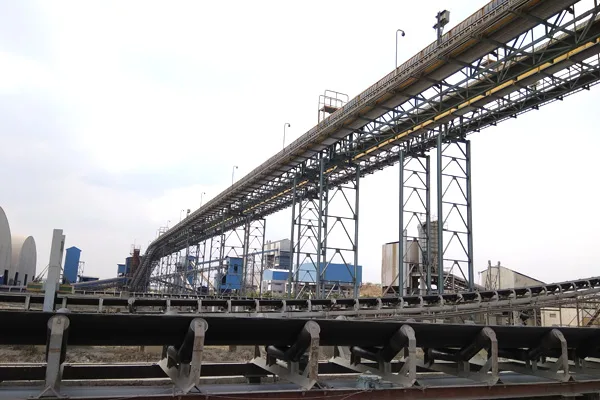
From smart engineering and heavy-duty components to precise installation and site testing, discover how Methods India builds belt conveyor systems that deliver strength, efficiency, and long-term reliability for demanding industrial operations.
Understanding the Demands of Belt Conveyors in Heavy Industries
Heavy industries use belt conveyors as their main operating system because these systems function as essential equipment. The systems operate under extreme conditions because they must handle gigantic weights while managing sharp objects and high temperatures and continuous operations. The requirements of this project create challenging conditions. Every conveyor system used in mining operations with abrasive ore and power plants that handle bulk coal needs to show both strength and stability and durability through time. Even a slight error in estimating the load capacity or belt speed will lead to major problems with the operation. The development and installation of belt conveyor systems require complete knowledge of the operational environment and material behavior and safety regulations.
Material Characteristics and Load Requirements
When it comes to heavy industry, not all the materials behave in the same way, and at that point, it becomes serious. Some materials are abrasive and shifty, while some are sticky, dusty, or very heavy. The size, moisture content, temperature and flow properties of the material dictate the selection of the belt and the design of the belt conveyor. Load requirements also play a significant role. A conveyor carrying light aggregate is quite different from the one transporting iron ore or coal in bulk. The belt width, thickness, speed, and even the type of idlers must be carefully calculated.
Site Conditions and Operational Challenges
Belt conveyors operate in environments which include dusty mines, high-temperature cement plants, coastal areas with moisture and corrosion and uneven terrains that restrict operational space. The site conditions determine which materials engineers will use to build the conveyor system and its protective elements. The company faces operational issues which include continuous operational requirements and unexpected changes in load and power supply problems and restricted periods for equipment repair. The conditions create difficulties for alignment processes. The process of designing a conveyor system requires engineers to develop a material handling system which can function under industrial conditions without experiencing frequent equipment failures.
Industry-Specific Compliance and Safety Standards
Industrial operations require more than performance because both compliance and safety standards are essential for success. Every belt conveyor system must align with industry-specific standards, whether it’s mining, power generation, cement, or steel. The regulations cover structural stability requirements together with fire resistance standards and electrical safety measures and moving parts guarding requirements and noise control regulations. Worker safety is a major priority, so emergency stop systems, proper walkways, pull-cord switches, and belt protection devices are not optional.The failure to comply with these standards creates severe safety hazards and potential legal problems. Understanding compliance requirements from the beginning enables safe and efficient operation of the conveyor system.
Engineering Excellence Behind Methods India Belt Conveyors
Engineering excellence is not just a phrase at Methods India, it serves as the vital core of the entire belt conveyor design process. The project team develops every aspect of their work through detailed design work which starts with the initial layout sketch and ends with the completed installation. The team uses load analysis and belt tension calculations and pulley sizing and motor selection to determine system requirements. The engineering team studies material flow, site condition, and project requirements before finalizing the design. The combination of heavy-duty structures and precise components alongside strict quality checks guarantees products will remain functional throughout extended periods.The practical engineering method which focuses on detailed work enables Methods India belt conveyors to maintain dependable operation throughout extreme industrial conditions.
Detailed Design Calculations and Load Analysis
Before a single component is fabricated, the real work begins on paper and on screens. Methods India develops its belt conveyor system through detailed design calculations together with load analysis. The team conducts a thorough analysis of five material handling factors which include material weight per cubic meter and conveying capacity and belt speed and incline angle and impact loads at transfer points. Tension calculations are performed to determine the right belt strength, pulley diameter, and motor power. The team evaluates all factors including starting torque and friction resistance and all other factors which affect system operation.
Selecting the Right Belt Type and Grade
At Methods India, the belt is chosen only after carefully studying the material properties, operating temperature, load capacity, and site conditions. For abrasive materials, wear-resistant belts are essential. In high-temperature environments, heat-resistant grades become necessary. If the application involves oil, chemicals, or moisture, specialized belt compounds are considered. Even the number of plies and tensile strength are precisely matched to the load requirements.
Structural Strength and Frame Design
The complete conveyor system depends on its structural strength and frame design which functions as the system's permanent connection point. Methods India designs its supporting structure to withstand dynamic loads and vibration while maintaining equipment operation without any bending or fatigue.
Customization for Industry-Specific Applications
Customization for industry-specific applications is where engineering truly becomes practical. At Methods India, no two belt conveyors are treated the same because no two industries operate the same way. A mining conveyor handling abrasive ore demands different reinforcements compared to a power plant conveyor moving coal. Cement plants may require heat resistance, while ports may need corrosion protection against moisture and salt air. Conveyor length, belt width, inclination angle, speed, and discharge arrangement are all tailored to match the exact operational requirement.
Power Plant and Cement Industry Applications
Power plants and cement industries demand conveyor systems that can handle extreme conditions without slowing down and that’s exactly where engineering precision matters most. In power plants, belt conveyors continuously transport bulk coal over long distances, often operating round the clock. In cement plants, they move limestone, clinker, and other raw materials that can be abrasive and high in temperature.
Tailored Conveyor Length, Speed, and Capacity
The system performance depends on three main factors which include customized conveyor length,speed and operational capacity. Methods India operates without establishing standard measurements for these operational parameters. The engineers develop the system design through their analysis of site layout and production objectives and material movement needs. The plant design determines optimal conveyor length, which engineers use to protect structural integrity. The engineers determine belt speed through calculations that guarantee safe material transportation. The system capacity matches the required hourly throughput to prevent operational bottlenecks and system overloads. The conveyor system achieves efficient operation through its controlled combination of length, speed and load which enables the system to work together with all production activities.
Ensuring Long-Term Performance and Reliability
Methods India achieves product durability through their territorial engineering procedures which use precise design methods and superior materials and their installation methods. The system requires attention to four main components which include proper alignment,correct tensioning,balanced load distribution and protective systems that lower wear and unexpected stress.The organization aims to achieve two objectives which require them to decrease operational interruptions while increasing service duration of their equipment. Heavy industries experience significant operational expenses because even brief work stoppages result in substantial financial losses.
Preventive Maintenance Planning
The continuous operation of a belt conveyor after its installation depends on preventive maintenance planning. The system requires maintenance because technicians need to perform checks and make adjustments and service work at designated times. The maintenance team at Methods India creates their maintenance schedules based on three factors which are operational hours and equipment usage and environmental conditions. The inspection process examines belts and idlers and pulleys and bearings and drive systems to identify early signs of wear. The system experiences fewer unexpected failures because it uses proper lubrication and tension adjustments and alignment checks.
Safety Features and Monitoring Systems
The safety features together with the monitoring systems of belt conveyors work silently yet effectively to maintain operational dependability throughout extended periods. The process involves more than just transporting materials. The system aims to achieve three goals which include accident prevention and damage reduction and early detection of potential problems. The system establishes basic protection through its implementation of pull-cord switches together with belt sway switches and speed sensors and emergency stop systems. The system enables early detection of misalignment and slippage and overheating and overload situations through its real-time monitoring capabilities.
After-Sales Support and Technical Assistance
The complete operation of a belt conveyor system starts with its installation and ends with its after-sales support and technical assistance. The permanent operational performance of a system depends on its guidance support which starts after the installation process. Methods India delivers technical consulting services together with troubleshooting support and on-site service which they provide upon request. The expert team provides assistance for three different tasks which include fine-tuning alignment,solving operational problems and upgrading components to achieve better efficiency. The combination of spare parts accessibility and quick service response enables businesses to maintain continuous operations while minimizing equipment downtime.
Industrial operations use belt conveyors as their main system to transport materials. The material needs to be understood first, while the site difficulties need to be resolved, before engineers can create detailed designs that implement structural strength requirements and safety systems for their project.Methods India approaches its projects through two main processes which include its accurate execution and its ability to provide real-world solutions. Our main goal requires us to supply customers with functional conveyor systems which ensure their equipment operates reliably and maintains operational efficiency.