
In today’s connected world, a reliable mobile signal is essential. Weak signals can lead to dropped calls, slow internet, and frustrating experiences. Mobile signal boosters have emerged as effective solutions to enhance call quality and data speeds, especially in areas with poor reception.
What Is a Mobile Signal Booster?
A mobile signal booster is a device that amplifies weak cellular signals. It captures the existing signal, boosts it, and rebroadcasts it to improve coverage. This enhancement leads to clearer calls and faster data speeds.
How Do Mobile Signal Boosters Work?
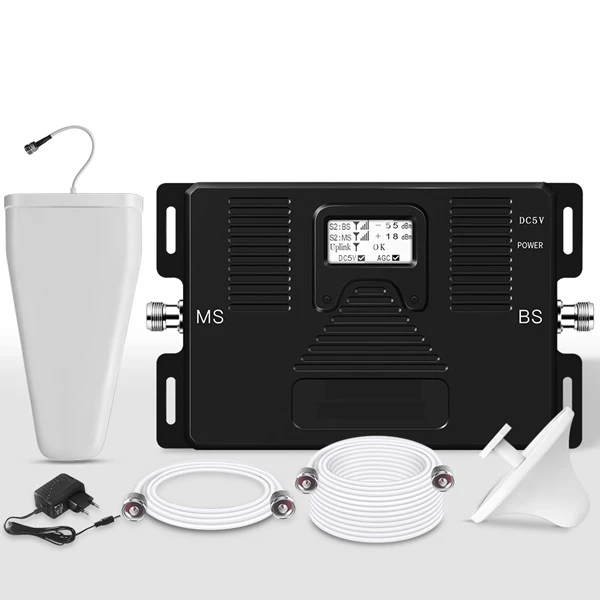
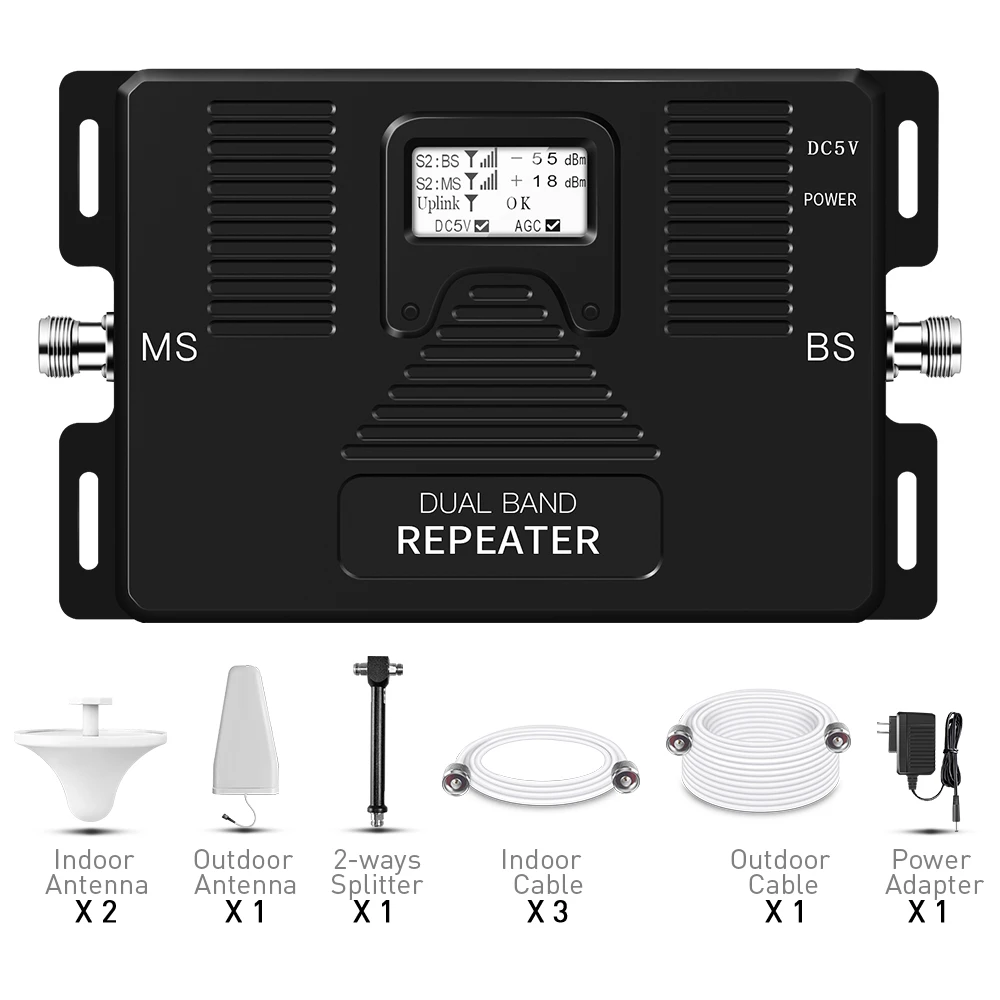
Mobile signal boosters consist of three main components:
- External Antenna: Installed outside the building, it captures weak signals from nearby cell towers.
- Amplifier: Receives the weak signal from the external antenna and amplifies it.
- Internal Antenna: Distributes the amplified signal inside the building, ensuring improved coverage.
This system ensures that areas with previously poor reception experience enhanced connectivity.
Benefits of Using Mobile Signal Boosters
1. Improved Call Quality
Weak signals often lead to dropped calls and poor voice clarity. By amplifying the signal, boosters ensure clearer conversations and reduce interruptions.
2. Faster Data Speeds
Slow internet speeds can hinder productivity and entertainment. Boosters enhance data reception, leading to faster browsing, streaming, and downloads.
3. Extended Battery Life
When a phone struggles to find a signal, it consumes more battery. A stronger signal reduces this strain, conserving battery life.
4. Enhanced Safety
Reliable mobile connectivity is crucial during emergencies. Boosters ensure that help is always a call away, even in remote areas.
Ideal Use Cases for Mobile Signal Boosters
1. Rural Areas
In remote locations, distance from cell towers can weaken signals. Boosters amplify these distant signals, ensuring consistent connectivity.
2. Urban Environments
Tall buildings and dense structures can obstruct signals. Boosters penetrate these barriers, providing coverage in basements and interiors.
3. Vehicles
Traveling through areas with fluctuating signals can disrupt connectivity. Mobile signal boosters in vehicles maintain stable connections on the move.
Choosing the Right Mobile Signal Booster
When selecting a mobile signal booster, consider the following:
- Carrier Compatibility: Ensure the booster supports the frequency bands used by your carrier.
- Coverage Area: Determine the size of the area you need to cover.
- Indoor vs. Outdoor Use: Some boosters are designed for indoor use, while others are suitable for vehicles or outdoor environments.
- Regulatory Approvals: Opt for boosters that are certified and comply with local regulations to avoid interference with mobile networks.
Common Myths About Mobile Signal Boosters
Myth 1: Boosters Create Signals
Boosters amplify existing signals; they cannot generate new ones. If there's no signal to amplify, the booster won't work.
Myth 2: All Boosters Are the Same
Not all boosters are compatible with every carrier or frequency band. It's essential to choose one that matches your specific needs.
Myth 3: Installation Is Complicated
Many modern boosters are designed for easy installation, with user-friendly guides and support.
Conclusion
Mobile signal boosters are transformative tools that enhance call quality and data speeds. Whether you're in a rural area, a dense urban environment, or frequently on the move, a signal booster can ensure consistent and reliable connectivity.
If you're experiencing connectivity issues, consider investing in a mobile signal booster from Mobile Signal Guru. Their range of high-quality, carrier-compatible boosters can cater to various needs, ensuring you stay connected when it matters most.