
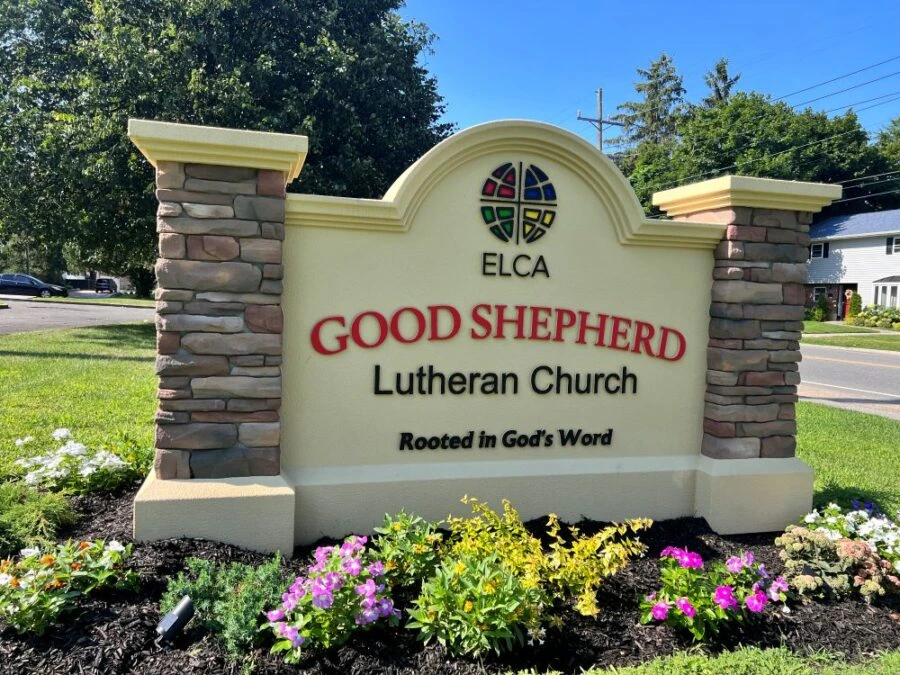
First impressions are decisive in business, especially in a competitive and visually driven market like Long Island. Whether you operate a retail store, medical office, corporate campus, or hospitality venue, the exterior presentation of your property plays a critical role in attracting and retaining customers. Among the most effective tools for enhancing exterior aesthetics and visibility is the monument sign.
Monument signs are low-profile, ground-level structures typically positioned at the entrance of a property. Unlike pole or pylon signs, they are designed to integrate seamlessly with the surrounding landscape and architecture. When executed correctly, monument signs not only communicate your brand but also elevate curb appeal in a way that directly influences customer perception and behavior.
Establishing a Strong First Impression
Curb appeal begins the moment a potential customer approaches your location. A well-designed monument sign acts as a visual anchor, signaling professionalism, stability, and attention to detail. In contrast, outdated or poorly maintained signage can create doubt about the quality of your products or services.
On Long Island, where businesses often compete along busy roadways and densely developed corridors, having a visually appealing sign can differentiate your property from neighboring establishments. A monument sign with clean typography, balanced proportions, and cohesive branding communicates credibility before a customer even steps inside.
Enhancing Architectural Cohesion
One of the defining advantages of monument signs is their ability to complement a building’s architecture. These signs are typically constructed using materials such as brick, stone, stucco, or high-density foam, allowing them to mirror the design language of the main structure.
For example, a medical office with a modern façade may benefit from a sleek monument sign with smooth finishes and minimalist lettering. Conversely, a traditional retail plaza might opt for a stone-based structure with classic serif fonts. This architectural harmony creates a unified visual identity, which significantly enhances overall curb appeal.
In regions like Long Island, where zoning regulations and community standards often emphasize aesthetic consistency, monument signs offer a compliant and visually pleasing signage solution.
Increasing Visibility Without Visual Clutter
Effective curb appeal is not just about beauty—it’s also about clarity. Monument signs are strategically positioned at eye level, making them easy to read for both pedestrians and drivers. Their horizontal orientation allows for concise messaging without overwhelming the viewer.
Unlike tall signs that can dominate a skyline or appear intrusive, monument signs provide visibility in a subtle, refined manner. This balance is particularly important in suburban and mixed-use areas across Long Island, where maintaining a clean and organized streetscape is essential.
Additionally, incorporating features such as backlit lettering or LED illumination ensures visibility during evening hours without compromising aesthetics.
Reinforcing Brand Identity
Consistency in branding is a key factor in building recognition and trust. Monument signs serve as a physical extension of your brand, translating your logo, colors, and messaging into a tangible form.
A thoughtfully designed monument sign reinforces brand identity by:
- Using consistent color schemes and typography
- Displaying logos prominently and proportionally
- Aligning with the tone and personality of the business
For multi-tenant properties such as shopping centers or office parks, monument signs can also provide a structured and organized way to display multiple businesses while maintaining a cohesive appearance. This not only improves navigation but also enhances the perceived value of the property.
Improving Landscaping Integration
Another critical aspect of curb appeal is landscaping. Monument signs naturally lend themselves to integration with greenery, hardscaping, and other environmental elements. Surrounding a sign with well-maintained plants, flowers, or decorative stonework creates a polished and inviting entrance.
On Long Island, where seasonal changes significantly impact outdoor aesthetics, businesses can leverage landscaping around monument signs to maintain year-round appeal. For instance:
- Spring and summer: vibrant flowers and lush greenery
- Fall: warm-toned foliage and ornamental grasses
- Winter: evergreen plants and subtle lighting accents
This dynamic approach keeps the property visually engaging throughout the year while reinforcing a sense of care and professionalism.
Supporting Local Regulations and Community Standards
Long Island municipalities often have strict zoning codes governing signage size, height, and illumination. Monument signs are typically more compliant with these regulations compared to larger, elevated signage options.
By adhering to local guidelines, businesses not only avoid potential fines and delays but also contribute positively to the community’s visual environment. A well-designed monument sign demonstrates respect for local standards, which can enhance your reputation among both customers and neighboring businesses.
Driving Foot Traffic and Customer Engagement
Curb appeal is directly linked to customer behavior. An attractive exterior encourages people to stop, explore, and engage with your business. Monument signs play a crucial role in this process by clearly identifying your location and creating a welcoming atmosphere.
For passersby who may not be actively searching for your services, a compelling monument sign can spark curiosity and prompt spontaneous visits. This is particularly valuable in high-traffic areas where visibility and quick recognition are essential.
Moreover, clear and legible signage reduces confusion, ensuring that customers can easily find your entrance without frustration.
Long-Term Value and Durability
From an investment perspective, monument signs offer long-term value. Their durable construction materials are designed to withstand weather conditions common to coastal regions like Long Island, including wind, rain, and temperature fluctuations.
With proper maintenance, a monument sign can retain its visual appeal and structural integrity for many years. This longevity makes it a cost-effective solution compared to temporary or lower-quality signage options that may require frequent replacement.
Conclusion
In a market as competitive and visually conscious as Long Island, curb appeal is not a luxury—it’s a necessity. Monument signs provide a powerful combination of aesthetics, functionality, and brand reinforcement, making them an essential component of any business’s exterior strategy.
By enhancing first impressions, integrating with architecture, improving visibility, and supporting local standards, monument signs do far more than identify your business—they elevate it. For companies looking to stand out and attract more customers, investing in a well-designed monument sign is a strategic decision with measurable returns.
If your goal is to create a lasting impression and strengthen your presence in the local market, a monument sign is one of the most effective ways to achieve it.