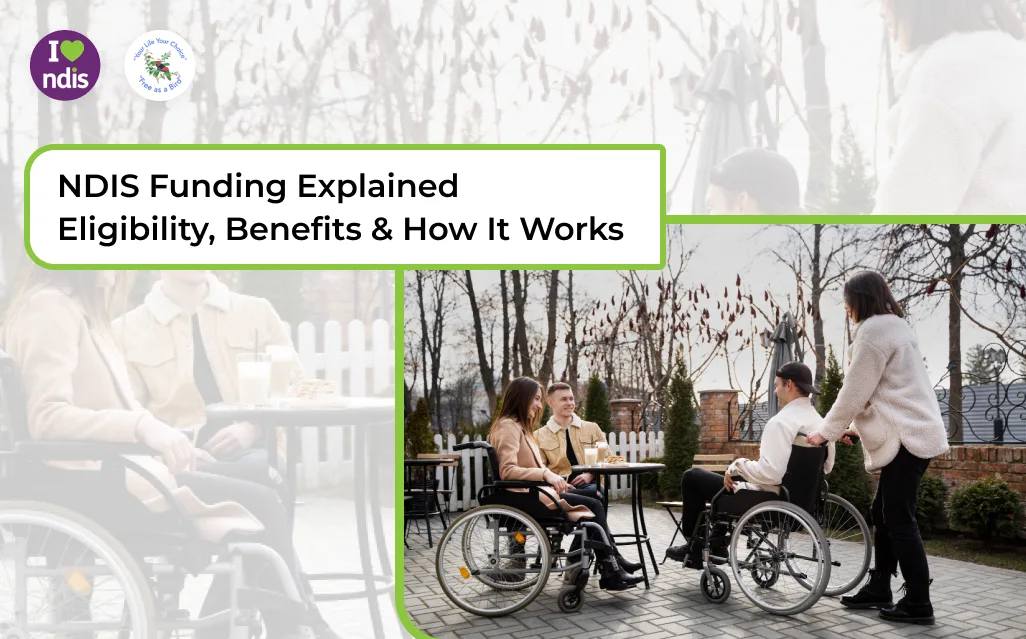
Access to disability support services is important for individuals who require assistance with everyday living, mobility, communication, and social participation. Many people living with disabilities face challenges that affect daily routines, emotional well-being, and long-term independence. Families and caregivers also often manage significant responsibilities while supporting loved ones with ongoing care needs.
Structured disability support services help participants live more comfortably and confidently within their homes and communities. Assistance with daily care, therapy, transport, household activities, and community engagement can improve overall quality of life while reducing pressure on families. These services are designed to support individual goals and encourage greater independence over time.
The National Disability Insurance Scheme provides personalised support based on each participant’s needs and circumstances. Rather than offering the same services to everyone, support plans focus on helping participants access practical assistance that improves everyday functioning and community involvement.
Understanding how NDIS Funding helps people access daily care and community support can help participants and families organise services more effectively while planning for long-term stability and personal development.
Daily Care Services That Improve Everyday Living
Many participants require assistance with routine activities because of physical, sensory, intellectual, or psychosocial challenges. Daily care services help individuals maintain comfort, dignity, and independence while managing important routines safely.
Support services may assist with:
- Personal hygiene and grooming
- Meal preparation and nutrition
- Household cleaning and organisation
- Medication reminders and supervision
- Mobility and transfer support
These services help participants remain active and engaged within their home environments.
Personal Support for Routine Daily Activities
Support workers help participants manage personal care tasks according to their individual needs and preferences.
Daily assistance may include:
- Bathing and dressing support
- Grooming and hygiene routines
- Assistance with eating and hydration
- Morning and evening routine management
These services improve safety, confidence, and emotional well-being.
Household Assistance for Better Home Management
Managing household tasks can become difficult for individuals with mobility or functional limitations.
Household support may involve:
- Cleaning and laundry services
- Grocery shopping support
- Meal planning and preparation
- Organising accessible living spaces
Practical assistance helps participants maintain healthier and safer home environments.
Importance of Consistent Daily Support Services
Reliable support services create structure and stability within daily routines.
Long-term benefits may include:
- Improved confidence and independence
- Reduced stress for participants and families
- Better physical and emotional well-being
- Increased participation in everyday activities
Consistent care helps participants feel more comfortable and supported.
Community Participation Services That Encourage Social Inclusion
Community participation is important for emotional well-being, communication development, and relationship-building. Support programs help participants become more socially active and connected within their communities.
Community-based services may include:
- Recreational activities
- Social and skill-building programs
- Educational workshops
- Community outings and events
These opportunities help participants build confidence while reducing social isolation.
Recreational Programs That Improve Confidence
Participating in social and recreational activities helps participants stay emotionally engaged and active.
Activities may include:
- Fitness and sports programs
- Art and creative workshops
- Music and hobby sessions
- Group outings and social events
These programs encourage stronger communication and social interaction skills.
Transport Assistance for Community Access
Transportation support helps participants travel safely and independently to appointments, activities, and programs.
Transport services may support:
- Medical and therapy appointments
- Community participation events
- Educational activities
- Employment-related travel
Accessible transportation improves independence and mobility within the community.
Therapy and Rehabilitation Support for Long-Term Development
Therapy services help participants improve physical movement, communication abilities, emotional regulation, and practical life skills.
Participants may access:
- Physiotherapy
- Occupational therapy
- Speech therapy
- Behaviour support services
Consistent therapy supports long-term development and everyday independence.
Physical Rehabilitation and Mobility Improvement
Physiotherapy and mobility programs help participants strengthen movement abilities and improve coordination.
Benefits may include:
- Better balance and posture
- Increased flexibility and movement confidence
- Reduced physical discomfort
- Improved independence during daily activities
Greater mobility supports safer and more comfortable routines.
Communication and Behaviour Support Programs
Communication and behaviour services help participants engage more effectively within social and community environments.
Programs may focus on:
- Speech and language development
- Emotional regulation strategies
- Social confidence building
- Positive behaviour management
Improved communication strengthens relationships and community participation.
Support Services That Encourage Independent Living
Many participants aim to improve practical life skills and become more independent over time. Structured support programs help individuals build confidence while managing everyday responsibilities more effectively.
Support services may assist with:
- Household management skills
- Budgeting and routine planning
- Meal preparation and cooking
- Community navigation and travel skills
These programs encourage greater self-reliance and long-term independence.
Building Practical Skills for Everyday Independence
Skill-building programs help participants become more confident in managing routines independently.
Programs may focus on:
- Organising personal schedules
- Managing household tasks
- Learning communication and social skills
- Improving time management abilities
Practical skills improve confidence and long-term stability.
Preparing Participants for Employment and Education Opportunities
Some participants may require support to access education, training, or employment opportunities.
Support services may assist with:
- Workplace readiness programs
- Educational participation support
- Communication and confidence building
- Transport and accessibility assistance
These opportunities help participants pursue personal and professional development goals.
Supporting Families and Caregivers Through Structured Assistance
Families and caregivers often provide ongoing emotional and practical support for participants. Professional services help reduce pressure while improving long-term care arrangements.
Support services can help families:
- Coordinate appointments and therapies
- Manage routines more effectively
- Reduce caregiving stress
- Improve communication with providers
Balanced support systems improve well-being for both participants and caregivers.
Reducing Caregiver Stress With Professional Support
Long-term caregiving responsibilities can affect emotional and physical well-being.
Professional support may help families:
- Maintain healthier routines
- Improve work-life balance
- Reduce emotional exhaustion
- Increase confidence in participant care
Reliable assistance creates more sustainable caregiving environments.
Long-Term Planning for Stability and Growth
Long-term planning helps participants and families prepare for changing support needs and future opportunities.
Planning may focus on:
- Independent living goals
- Community participation development
- Education and employment pathways
- Communication and mobility improvements
Structured planning encourages stronger long-term outcomes and independence.
Importance of Choosing Suitable Support Providers
Selecting experienced and reliable providers is important for maintaining high-quality and personalised support services.
Participants should consider:
- Provider communication and reliability
- Flexibility and availability
- Experience with participant support needs
- Understanding of personal goals and routines
Strong provider relationships improve comfort, trust, and service quality.
Building Positive Relationships With Support Teams
Open communication between participants, caregivers, and providers improves support experiences and long-term planning.
Benefits may include:
- Better coordination of services
- Improved understanding of participant goals
- Faster adjustments to changing needs
- More personalised care arrangements
Collaborative support creates stronger participant outcomes.
Reviewing Support Services Regularly
Participant needs may change over time because of health conditions, mobility, or lifestyle adjustments.
Regular reviews help:
- Adjust support services when needed
- Improve service effectiveness
- Monitor personal development progress
- Maintain balanced support arrangements
Flexible planning helps participants continue progressing confidently.
Conclusion
Daily care and community support services help participants improve independence, communication, mobility, emotional well-being, and social participation while reducing challenges faced by families and caregivers. Personalised assistance creates stronger opportunities for long-term development, confidence, and stability.
By understanding how NDIS Funding helps people access daily care and community support, participants and families can make informed decisions, organise services more effectively, and build better pathways toward independence and improved quality of life.