In today’s energy sector, operational efficiency is more important than ever. Oil and gas companies are under constant pressure to increase production, reduce downtime, improve safety, and control operational costs. To meet these demands, advanced oilfield equipment and modern completion technologies have become essential across exploration, drilling, production, and well intervention operations.
From pressure control tools to intelligent well completion systems, modern oil and gas equipment plays a major role in improving field performance and ensuring reliable operations in increasingly complex environments.
Why Field Efficiency Matters in Oil and Gas Operations
Efficiency in oilfield operations directly impacts production output, project timelines, equipment life, and profitability. Delays caused by equipment failure, poor well integrity, or inefficient production systems can result in significant financial losses.
Today’s operators rely on high-performance oilfield equipment to:
- Minimize non-productive time (NPT)
- Improve well integrity and zonal isolation
- Optimize hydrocarbon recovery
- Reduce maintenance requirements
- Enhance worker safety
- Extend equipment lifespan
- Improve decision-making through real-time monitoring
As oil and gas exploration expands into deeper, hotter, and more challenging reservoirs, dependable equipment becomes critical for maintaining uninterrupted operations.
Precision Oilfield Equipment Improves Operational Performance
Modern oilfield operations depend on multiple systems working together seamlessly. Equipment designed for pressure control, fluid handling, and well integrity helps reduce operational risks while improving overall productivity.
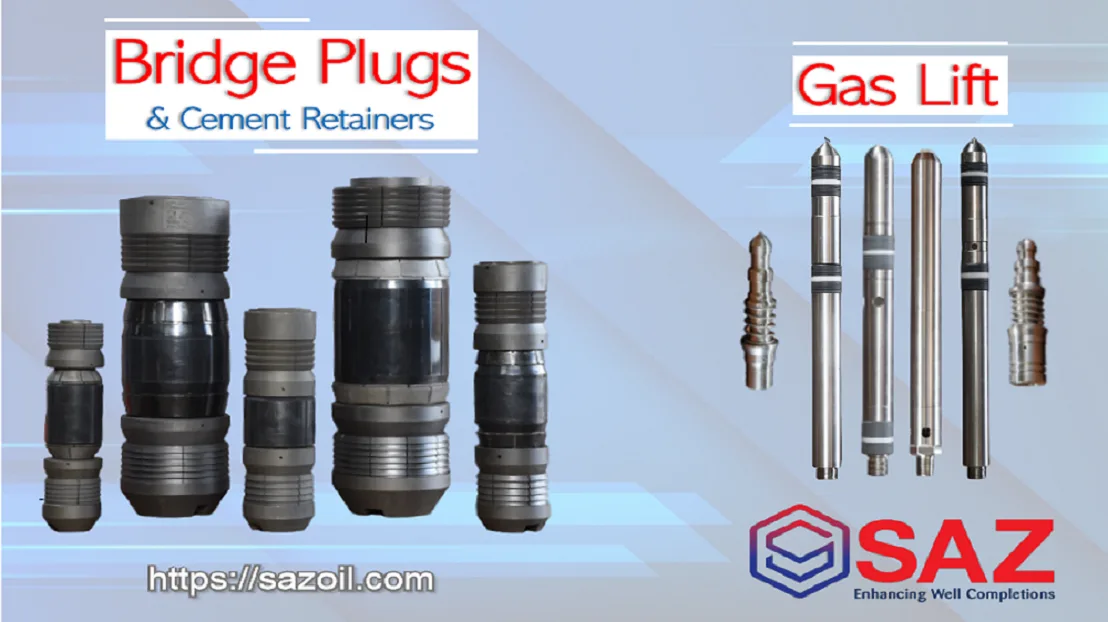
Bridge Plugs for Reliable Well Isolation
Bridge plugs are widely used during well testing, stimulation, maintenance, and plug-and-abandonment operations. These tools create a secure barrier inside the wellbore, allowing operators to isolate specific zones safely and efficiently.
Key benefits of bridge plugs include:
- Improved zonal isolation
- Safer intervention operations
- Reduced fluid migration
- Enhanced well control
- Faster maintenance activities
Reliable isolation minimizes downtime and allows operators to carry out targeted operations without affecting the entire well.
Cement Retainers Improve Cementing Accuracy
Cement retainers are another important component in maintaining well integrity. These tools help control cement placement during squeeze cementing operations and support effective zonal isolation.
Advantages of cement retainers include:
- Accurate cement placement
- Improved pressure control
- Reduced risk of cement contamination
- Enhanced well repair efficiency
When cementing operations are performed correctly, operators can avoid costly remedial work and improve long-term well performance.
Advanced Well Completion Equipment Enhances Productivity
Well completion equipment plays a major role in maximizing production efficiency and extending the operational life of a well.
Liner Hanger Systems Improve Well Stability
Liner hanger systems support casing liners within the wellbore, helping stabilize drilling and completion operations. Properly installed liner systems reduce stress on casing strings and improve structural integrity.
Benefits of liner hanger systems include:
- Better load distribution
- Improved wellbore stability
- Reduced casing damage
- Enhanced drilling efficiency
- Lower risk of mechanical failures
Efficient liner installation contributes to safer operations and long-term production reliability.
Downhole Packers Optimize Pressure Management
Downhole packers are essential tools used to isolate production zones and manage pressure deep inside the well. These devices help improve production efficiency by preventing unwanted fluid movement between formations.
Key advantages of downhole packers include:
- Improved pressure control
- Enhanced production optimization
- Better zonal isolation
- Reduced water and gas breakthrough
- Increased well efficiency
Although hidden beneath the surface, packers play a crucial role in ensuring smooth and controlled production operations.
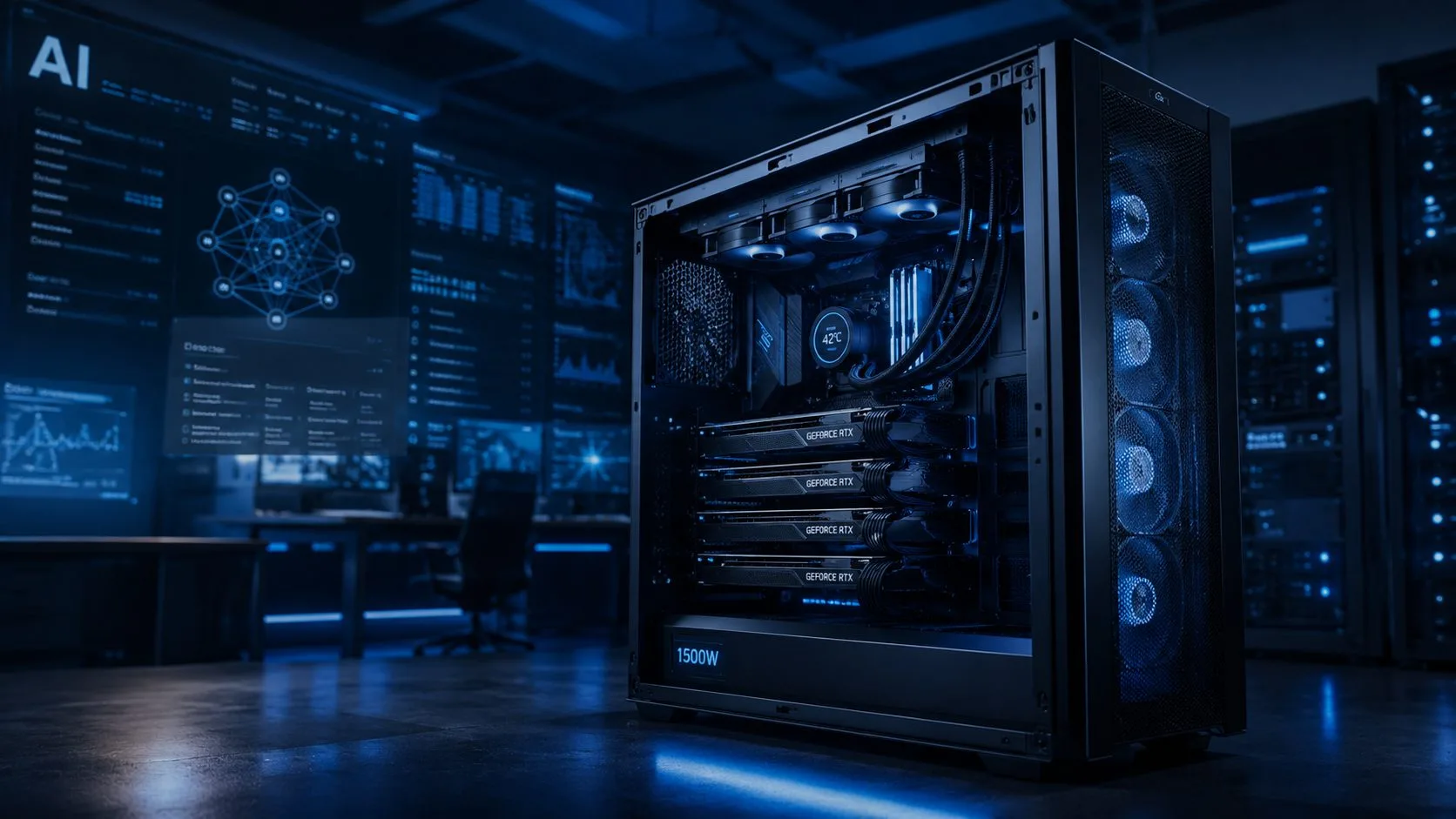
Digital Technologies and Automation Drive Smarter Operations
Modern oilfields increasingly rely on automation and digital monitoring systems to improve operational efficiency. Real-time data collection and predictive analytics help operators identify issues before they become critical problems.
Smart oilfield technologies provide:
- Real-time production monitoring
- Predictive maintenance insights
- Faster operational decisions
- Reduced equipment downtime
- Improved safety management
- Better asset utilization
With digital integration, operators can respond quickly to changing field conditions and optimize production strategies more effectively.
Sand Control Solutions Protect Equipment and Maintain Flow
Sand production can severely impact oil and gas operations by damaging downhole equipment, blocking flow paths, and reducing production rates. Effective sand control solutions are essential for maintaining uninterrupted production.
Importance of Sand Management Services
Advanced sand management services help operators protect infrastructure and improve production stability. Combined with filtration systems and modular screen plant technologies, these solutions improve material separation and processing efficiency.
Benefits of modern sand control systems include:
- Reduced equipment erosion
- Improved production flow
- Longer equipment life
- Lower maintenance costs
- Enhanced operational reliability
Effective sand control not only protects equipment but also supports long-term production efficiency in challenging reservoirs.
The Future of Oilfield Efficiency
As the oil and gas industry continues evolving, operators are investing in smarter, more reliable, and more automated equipment to improve performance across the entire production lifecycle.
Innovations in well completion systems, pressure control technologies, digital monitoring, and sand management are helping companies:
- Increase production efficiency
- Reduce operational risks
- Improve workplace safety
- Lower operating costs
- Enhance environmental performance
The future of oilfield operations will increasingly depend on integrated technologies that combine mechanical reliability with intelligent automation.
Final Thoughts
Efficient oil and gas operations rely heavily on advanced equipment designed to improve productivity, maintain well integrity, and reduce downtime. From bridge plugs and cement retainers to liner hanger systems, downhole packers, and sand control solutions, modern oilfield technologies continue to transform how energy companies operate in demanding environments.
As innovation continues to shape the industry, investing in high-quality oil and gas equipment will remain essential for achieving safer, smarter, and more efficient field operations.