
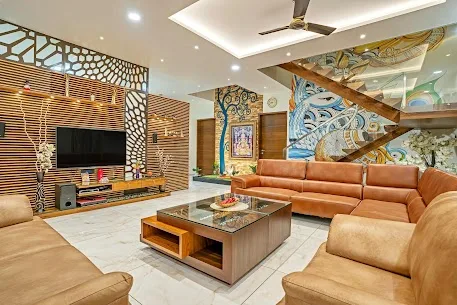
A home can look beautiful in photos and still feel frustrating to live in. Honestly, this happens more often than people think. You walk into a place and immediately notice something feels… off. Maybe the furniture blocks movement. Maybe there’s nowhere practical to store daily things. Or the living room somehow feels cramped even though the apartment itself isn’t small.
That’s usually where a professional interior design company quietly changes everything. Good space planning doesn’t scream for attention the way expensive chandeliers or fancy marble do. It works more subtly than that. You just feel comfortable inside the home without constantly thinking about why.
And honestly, that’s probably the whole point.
Space Planning Is More Than Arranging Furniture
A lot of people assume space planning means deciding where the sofa goes. That’s part of it obviously, though professional interior designers think much deeper than furniture placement alone.
They study how people actually move through spaces daily.
Where shoes pile up naturally. Which corners stay unused. How sunlight shifts during the day. Even small things like whether cabinet doors clash awkwardly when opened at the same time.
Daily Habits Shape Good Interior Layouts
Every family uses space differently.
Some households need larger dining areas because meals are a major family ritual. Others care more about work-from-home corners or hidden storage because apartments feel crowded quickly.
Professional home interior designers usually observe:
- movement patterns
- storage habits
- furniture proportions
- lighting flow
- room functionality
These details influence layouts far more than trends honestly.
Smart Layouts Make Homes Feel Larger
This part surprises many homeowners.
A compact apartment with thoughtful planning can feel more spacious than a large home with poor furniture placement. Space perception changes everything.
I once visited a small two-bedroom apartment where the designer used lighter furniture, floating storage, and open circulation paths. The place felt airy immediately. Meanwhile another much larger apartment nearby felt stuffed with oversized furniture and decorative pieces everywhere.
Bigger isn’t always better.
Interior Designers Create Visual Balance
Professional interior planning often focuses on:
Open Movement PathsReducing visual congestion.
Proper Furniture ScaleMatching pieces to room size.
Functional ZoningGiving each area a clear purpose.
Controlled Visual WeightAvoiding overcrowded interiors.
These things sound technical maybe. Though emotionally, they simply make homes feel calmer and easier to live in.
Storage Planning Changes Everything
Honestly, most homes don’t actually lack space. They lack proper storage.
Daily clutter builds up fast:
- chargers
- bags
- kids’ toys
- kitchen appliances
- laundry items
- random documents nobody knows where to keep
Without storage planning, even stylish homes start feeling messy quickly.
Hidden Storage Keeps Spaces Cleaner
Professional interior decorators often include storage within the design itself instead of treating it like an afterthought.
Popular smart storage ideas include:
Floor-to-Ceiling CabinetsBetter vertical usage.
Under-Bed StorageUseful in urban apartments.
Modular WardrobesCleaner organization.
Multi-Functional FurnitureStorage benches, hidden drawers, foldable tables.
And honestly, organized spaces affect mental comfort too. Clutter creates visual noise people don’t always notice consciously until they finally clean everything properly.
Lighting Affects Space Planning Too
People separate lighting from layouts mentally, though both work together closely.
Poor lighting can make perfectly designed rooms feel smaller, colder, or awkwardly flat.
Interior Designers Use Light to Shape Space
Professional residential interior designers often study:
- natural light directions
- shadow movement
- artificial lighting placement
- room brightness needs
before finalizing layouts.
This helps improve:
Room AtmosphereSofter and more welcoming.
FunctionalityBetter visibility where needed.
Space PerceptionBrighter rooms feel larger naturally.
Warm layered lighting especially changes how interiors feel emotionally during evenings. One harsh ceiling light rarely creates comfort honestly.
Open Layouts Need Planning Carefully
Open-concept interiors became extremely popular recently. And yes, they often make homes feel larger visually.
Though completely open spaces sometimes create new problems:
- lack of privacy
- sound spread
- visual clutter
- awkward furniture arrangements
Smart Zoning Creates Better Flow
Professional interior design firms often create invisible divisions inside open layouts using:
RugsSeparating seating areas naturally.
Lighting VariationsDifferent moods across zones.
Furniture PlacementCreating soft boundaries.
Decorative PartitionsAdding privacy without closing spaces fully.
This balance helps homes feel connected without becoming chaotic.
Because honestly, badly planned open spaces can start feeling noisy mentally after a while.
Space Planning Supports Modern Lifestyles
Homes function differently now compared to older generations.
People work remotely. Children study online. Couples share smaller apartments while balancing different schedules. Kitchens became more active spaces recently too.
Interiors need to respond to those changes realistically.
Flexible Spaces Matter More Now
Modern interior designers increasingly create:
Compact WorkstationsWithout sacrificing aesthetics.
Multi-Purpose RoomsGuest room plus workspace combinations.
Flexible Seating AreasUseful for gatherings and daily routines.
Smarter Kitchen LayoutsSupporting everyday cooking comfortably.
The goal isn’t making homes look perfect all the time. It’s making daily life feel easier inside them.
Material Choices Affect Space Perception
This part gets overlooked surprisingly often.
Heavy dark materials can visually shrink rooms. Reflective surfaces may brighten interiors but sometimes feel overly cold. Textures influence emotional warmth too.
Interior Designers Balance Materials Carefully
Professional designers usually combine:
- natural textures
- lighter finishes
- matte surfaces
- reflective elements strategically
to shape how spaces feel physically and emotionally.
A room with soft wood textures, warm lighting, and breathable layouts usually feels far more inviting than overly polished interiors trying too hard to appear luxurious.
Honestly, slightly imperfect textures often feel more comfortable.
Functionality Quietly Creates Luxury
This might sound strange initially.
Though homes that function well often feel more luxurious than homes filled with expensive decor but poor planning.
Imagine:
- enough storage everywhere
- smooth movement between rooms
- proper lighting
- comfortable furniture spacing
- uncluttered surfaces
That ease creates comfort people instantly notice.
Good Space Planning Reduces Daily Stress
You stop bumping into furniture constantly. Kitchen tasks feel smoother. Bedrooms feel restful instead of cramped. Living rooms actually support conversation comfortably.
Those little improvements shape daily mood more than dramatic decorative features honestly.
And honestly… the homes people truly enjoy long-term usually aren’t the ones trying hardest to impress guests. They’re the spaces where life simply feels easier, quieter, and naturally comfortable every single day.