Most people think property value depends only on location, square footage, or market trends. And yes, those things matter obviously. Though interiors quietly influence buyer perception far more than many homeowners realize.
A home can sit in a prime area and still feel forgettable inside. Then another property nearby — maybe even slightly smaller — instantly feels more appealing because the layout works better, the lighting feels warmer, and the space simply feels easier to imagine living in. That’s usually where a skilled home interior designer starts making a noticeable difference without people fully realizing why.
Honestly, buyers respond emotionally before they respond logically.
First Impressions Affect Property Value Quickly
People form opinions about interiors within minutes. Sometimes seconds.
You enter a home and immediately notice whether the space feels:
- cramped
- bright
- cluttered
- peaceful
- outdated
- welcoming
Those reactions happen automatically.
Visual Appeal Creates Stronger Buyer Interest
Professionally designed homes usually photograph better, feel more organized during visits, and create stronger emotional reactions overall.
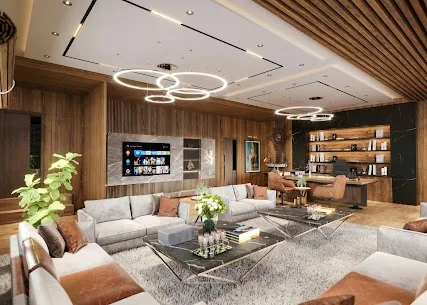
That matters because modern buyers often see properties online before visiting physically. A well-designed living room with balanced lighting and thoughtful furniture placement naturally attracts more attention.
And honestly, online listings have changed the game completely. Buyers scroll fast. Homes need visual impact immediately.
Smart Space Planning Makes Homes Feel Larger
This one surprises many homeowners.
A property doesn’t necessarily need more square footage to feel spacious. Good planning changes perception dramatically.
I’ve walked into compact apartments that felt surprisingly open because furniture placement, lighting, and circulation were planned properly. Then I’ve seen huge houses somehow feel crowded and awkward.
Interior Designers Improve Functional Layouts
Professional interior designers often rethink:
Furniture ProportionsHelping rooms breathe visually.
Movement PathsReducing cramped layouts.
Storage PlacementMinimizing clutter.
Multi-Use SpacesAdding flexibility to rooms.
These adjustments improve how people experience a property emotionally. And buyers pay attention to that feeling even if they can’t explain it clearly.
Modern Buyers Want Move-In Ready Homes
Most people don’t want major renovation stress after purchasing a property. Especially younger buyers already managing work pressure, shifting expenses, and hectic schedules.
Homes requiring less immediate work naturally feel more valuable.
Updated Interiors Increase Buyer Confidence
Professional interior upgrades often include:
- modular kitchens
- modern wardrobes
- layered lighting
- improved flooring
- neutral color palettes
- functional bathroom layouts
These features make homes feel current without appearing overly trend-focused.
And honestly, buyers mentally calculate renovation costs while viewing properties. Even small outdated details can make homes feel like “extra work.”
Lighting Quietly Changes Property Perception
Bad lighting hurts interiors badly.
Dark corners make rooms appear smaller. Harsh white lighting creates a cold atmosphere. Poor lighting placement flattens textures and furniture visually.
People may not consciously identify the issue, though they still feel uncomfortable inside the space.
Well-Planned Lighting Makes Homes Feel Premium
Experienced interior decorators often layer lighting carefully:
Ambient LightingGeneral warmth across rooms.
Task LightingUseful in kitchens, workspaces, reading areas.
Accent LightingHighlighting textures or decor features.
Soft lighting creates emotional comfort. Buyers stay longer during property visits when spaces feel pleasant physically.
And honestly, comfort influences buying decisions more than homeowners sometimes expect.
Storage Solutions Add Hidden Value
Clutter creates visual stress almost instantly.
Even beautiful homes lose appeal when storage feels insufficient. Buyers immediately start wondering:
- Where will extra bedding go?
- Is there enough kitchen storage?
- What about luggage?
- Kids’ items?
- Seasonal clothing?
Smart Storage Improves Daily Living
Professional home interior design often includes:
Built-In WardrobesCleaner room layouts.
Hidden Storage UnitsReducing visual mess.
Modular Kitchen CabinetsBetter functionality.
Floating Storage SystemsMaking spaces feel lighter.
Storage may not sound glamorous, though it strongly affects long-term livability. And buyers absolutely notice homes that feel organized naturally.
Material Choices Influence Long-Term Value
Cheap finishes age quickly.
Scratched laminates, peeling surfaces, poor-quality hardware — these things reduce perceived value fast. Buyers notice wear immediately during site visits.
Good Materials Create Better Longevity
Professional interior designers usually select materials balancing:
- appearance
- durability
- maintenance practicality
Homes with thoughtful material choices often age more gracefully visually.
Things like:
- matte finishes
- engineered wood
- durable countertops
- textured surfaces
- moisture-resistant materials
…help interiors maintain their appeal longer.
Honestly, slightly understated materials often age better than flashy finishes trying too hard to impress initially.
Functional Kitchens and Bathrooms Matter Most
People judge homes heavily based on kitchens and bathrooms now.
A poorly planned kitchen can immediately lower property appeal regardless of how attractive the living room looks.
Same with cramped or outdated bathrooms.
These Spaces Shape Buyer Decisions
Modern buyers usually prioritize:
Efficient Kitchen LayoutsComfortable movement and storage.
Good VentilationEspecially in bathrooms.
Modern FixturesCleaner visual appeal.
Practical Counter SpaceDaily usability matters.
And honestly, these are the spaces people imagine themselves using every day. Emotional connection happens strongly here.
Neutral Interiors Appeal to More Buyers
Highly specific interiors can reduce market appeal sometimes.
Bright experimental colors, unusual themes, or extremely niche decor styles may reflect personal taste beautifully, though they make it harder for buyers to imagine their own life inside the home.
Balanced Design Feels More Universal
Professional residential interior designers often create spaces that feel:
- modern
- warm
- adaptable
- visually calm
without becoming overly generic.
Neutral doesn’t mean boring either. Texture, lighting, natural materials, and layered decor still create personality without overwhelming potential buyers.
Honestly, homes sell faster when people can mentally “move in” while walking through them.
Interior Design Improves Emotional Connection
This part matters more than data sometimes.
People buy homes emotionally first. Logic enters afterward to justify the decision.
A beautifully planned home creates emotional comfort through:
- balanced layouts
- calming lighting
- thoughtful textures
- practical functionality
- visual flow
You can feel when a home was designed thoughtfully. Even non-designers notice it instinctively.
People Remember How Spaces Feel
I remember visiting an apartment once where nothing seemed overly luxurious honestly. No dramatic chandeliers or expensive marble everywhere. Though the natural light, soft colors, storage planning, and room proportions made the entire place feel incredibly peaceful.
That feeling stayed with me longer than flashy interiors usually do.
And honestly… homes that create emotional comfort often hold stronger property value because buyers aren’t only purchasing walls and furniture anymore. They’re buying the feeling of living there every single day.